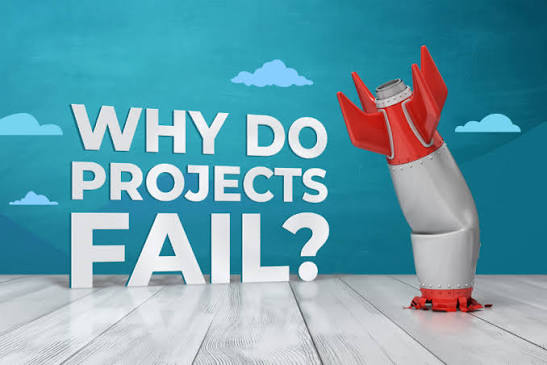
When a project fails, people often assume the problem happened during execution.
They blame poor management, lack of funding, missed deadlines, or unexpected challenges.
What many fail to realise is that most projects begin to fail long before the first task is completed.
In many cases, the warning signs are present from the very beginning.
A project may have a strong idea behind it. It may even have enthusiastic stakeholders and a capable team. Yet without proper planning, clear objectives, and realistic expectations, success becomes difficult long before implementation starts.
The Planning Stage Is Often Overlooked
One of the most common mistakes organisations make is rushing into action.
There is often pressure to start quickly. Teams want to show progress. Leaders want to see results. Clients want immediate movement.
As a result, important questions are left unanswered.
What exactly is the project trying to achieve?
Who is responsible for what?
What resources will be required?
How will success be measured?
When these questions are not addressed early, confusion often follows later.
Unclear Goals Create Bigger Problems
A project without clearly defined goals is like a journey without a destination.
Team members may work hard, but they may not be working towards the same outcome.
Different stakeholders can develop different expectations. Budgets become difficult to manage. Timelines begin to shift. Eventually, the project loses direction.
Successful projects are usually built around clear and measurable objectives that everyone understands from the start.
Poor Communication Can Derail Progress
Many projects struggle because key information never reaches the right people at the right time.
Misunderstandings between teams, stakeholders, contractors, and decision makers can create costly delays and unnecessary mistakes.
Communication is not simply about holding meetings. It involves ensuring that responsibilities, expectations, updates, and changes are clearly communicated throughout the life of a project.
When communication breaks down, execution often suffers.
Resources Matter More Than People Think
Another reason projects fail before they begin is unrealistic resource planning.
Some projects are launched without sufficient funding. Others lack the right personnel, tools, or technical expertise.
In some situations, organisations underestimate the time required to complete important tasks.
When resources do not match project demands, problems become inevitable.
Careful planning helps identify potential gaps before they become major obstacles.
Risk Should Never Be Ignored
Every project carries some level of risk.
Economic conditions can change. Costs can increase. Regulations can shift. Key personnel may leave. Unexpected challenges can emerge at any stage.
Yet many project teams spend little time identifying risks before work begins.
The most successful organisations do not assume everything will go according to plan. Instead, they prepare for possible setbacks and develop strategies to manage them.
Success Starts Before Execution
The difference between successful and unsuccessful projects is often determined long before implementation begins.
Strong planning, clear goals, realistic budgets, effective communication, and proper risk assessment create the foundation upon which successful projects are built.
While execution remains important, projects rarely succeed by accident.
More often than not, success is the result of decisions made before the first task is ever completed.
For organisations, businesses, governments, and project teams, the lesson is simple: the best time to prevent project failure is before the project begins.
In another news:
Read https://www.theprojectherald.com/inside-nigerias-road-construction-giants/