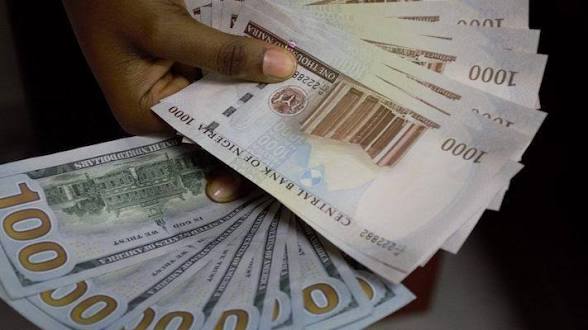
The Central Bank of Nigeria (CBN) has removed several foreign exchange restrictions introduced during the COVID-19 pandemic, marking another step in its efforts to improve access to foreign currency and strengthen confidence in Nigeria’s foreign exchange market.
The move comes as the apex bank says dollar liquidity has improved significantly, reducing the need for some of the emergency controls that were put in place during one of the most challenging periods for the global economy. Recent reforms and increased foreign exchange inflows have helped stabilise the market and improve the availability of dollars for businesses and investors.
The decision signals a shift in policy as the CBN seeks to create a more market-driven foreign exchange environment while encouraging investment and economic growth.
Why the Restrictions Were Introduced
At the height of the COVID-19 pandemic, Nigeria faced severe pressure on its foreign exchange reserves.
Global oil prices fell sharply, economic activity slowed, and foreign currency inflows declined. As a result, the CBN introduced a series of measures aimed at conserving foreign exchange and managing demand for dollars.
Many businesses and individuals found it difficult to access foreign currency, while banks operated under tighter foreign exchange guidelines designed to protect the country’s reserves.
The restrictions were intended as temporary measures to help the economy navigate a period of uncertainty.
What Has Changed?
According to market analysts, conditions in the foreign exchange market have improved compared to the peak pandemic years.
The CBN has implemented several reforms aimed at boosting transparency, improving market efficiency, and attracting foreign capital. In recent months, the bank has also taken steps to increase foreign exchange supply across the market, including measures to improve dollar liquidity for authorised dealers and retail foreign exchange operators.
Recent market data also indicate improved exchange-rate stability, with the naira trading within a narrower range and investor confidence showing signs of recovery.
These developments have reduced pressure on the foreign exchange market and created room for the removal of some restrictions that were previously considered necessary.
What It Means for Dollar Account Holders
The policy change is expected to make it easier for individuals and businesses operating domiciliary accounts to access and manage foreign currency transactions.
Financial experts say the removal of pandemic-era restrictions could improve flexibility for customers, encourage greater participation in the formal foreign exchange market, and reduce reliance on alternative channels for dollar transactions.
Businesses that depend on foreign currency for imports, international payments, and cross-border transactions may also benefit from improved access and fewer regulatory hurdles.
A Sign of Growing Confidence
The decision is widely seen as a sign that the CBN believes conditions in the foreign exchange market have improved enough to support a more flexible operating environment.
In recent months, the apex bank has introduced several measures aimed at deepening liquidity, improving transparency, and strengthening oversight of foreign exchange transactions.
Analysts note that while challenges remain, the gradual easing of restrictions suggests growing confidence in the stability of the market.
Challenges Still Remain
Despite the positive developments, experts caution that sustaining improvements in the foreign exchange market will depend on Nigeria’s ability to attract consistent foreign exchange inflows.
Oil exports, foreign direct investment, diaspora remittances, and non-oil exports remain critical sources of foreign currency for the economy.
Economic analysts also stress the importance of maintaining investor confidence and ensuring that reforms continue to support transparency and market efficiency.
Looking Ahead
The removal of pandemic-era dollar account restrictions represents another milestone in Nigeria’s ongoing foreign exchange reforms.
For businesses, investors, and account holders, the development could provide greater flexibility and improved access to foreign currency.
While the long-term impact will depend on broader economic conditions and continued policy consistency, the decision reflects the CBN’s belief that the foreign exchange market is becoming more stable than it was during the height of the pandemic.
As Nigeria continues its efforts to strengthen the economy and attract investment, market participants will be watching closely to see whether the latest reforms can deliver lasting improvements in foreign exchange availability and confidence.
Another news: https://www.theprojectherald.com/the-20-billion-gamble/