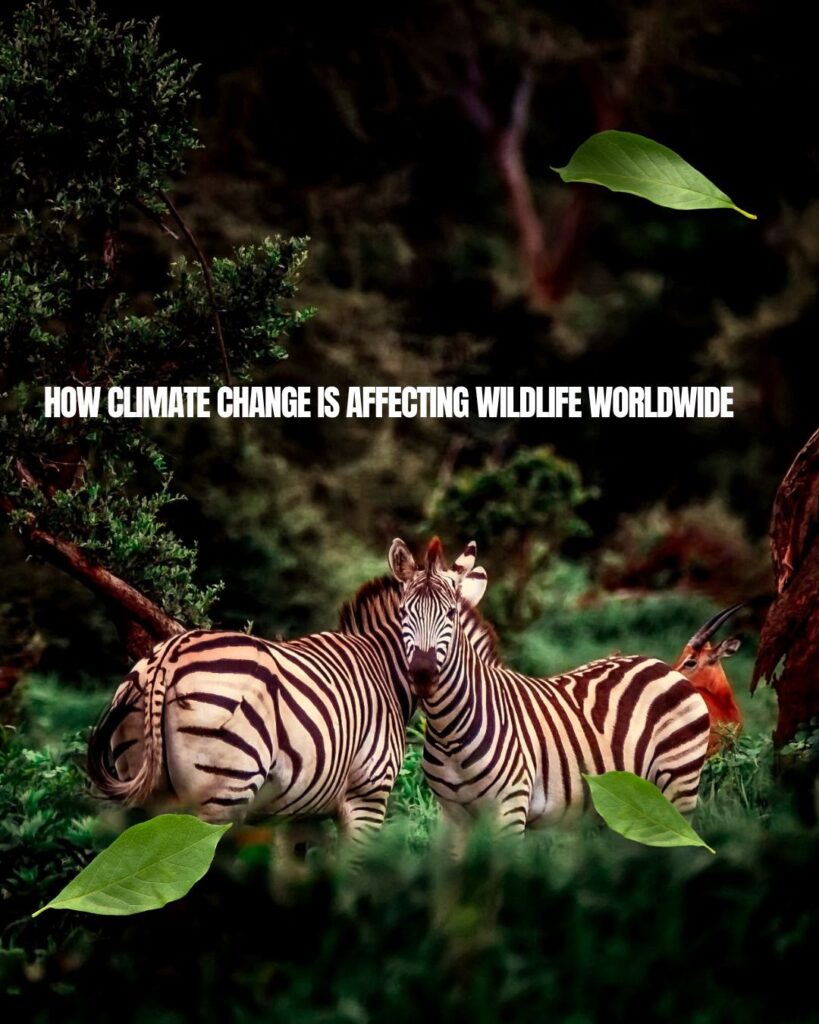
Climate change is transforming ecosystems across the planet, affecting not only weather patterns and human communities but also the animals that depend on stable environments for survival.
From the Arctic to tropical rainforests, wildlife species are facing growing challenges as rising temperatures, changing rainfall patterns, melting ice, stronger storms, and shifting habitats alter the natural world at an unprecedented pace.
Scientists warn that while many species can adapt to gradual environmental changes, the speed of modern climate change is making survival increasingly difficult for countless plants and animals.
A Planet of Changing Habitats
Every species depends on a specific habitat that provides food, water, shelter, and suitable conditions for reproduction.
As global temperatures rise, many of these habitats are changing. Forests, grasslands, wetlands, oceans, and polar regions are experiencing environmental shifts that affect the animals living within them.
Some species are moving to cooler regions or higher elevations in search of favorable conditions. Others are finding that suitable habitats are shrinking faster than they can adapt.
The result is a growing disruption of ecosystems that have developed over thousands of years.
Polar Bears and the Loss of Arctic Ice
Few animals have become more closely associated with climate change than polar bears.
These predators rely on sea ice to hunt seals, their primary food source. As Arctic temperatures rise, sea ice is melting earlier in the year and forming later during winter.
This reduces hunting opportunities and forces bears to travel greater distances in search of food.
Scientists fear that continued ice loss could threaten the long-term survival of some polar bear populations if warming trends continue.
Coral Reefs Under Threat
The world’s coral reefs support some of the most diverse ecosystems on Earth.
However, rising ocean temperatures are causing widespread coral bleaching, a process that occurs when stressed corals expel the algae that provide much of their energy and color.
Repeated bleaching events can weaken or kill coral reefs, affecting thousands of fish species and marine organisms that depend on these habitats.
The loss of coral reefs could have major consequences for biodiversity, fisheries, and coastal communities worldwide.
Wildlife Is Moving to New Regions
Climate change is forcing many species to shift their geographic ranges.
Birds, insects, mammals, and marine species are increasingly moving toward cooler environments as temperatures rise. In some cases, animals are appearing in regions where they have never been recorded before.
While some species may benefit from expanded ranges, others face competition for resources, increased exposure to predators, or difficulties finding suitable breeding grounds.
These shifts are altering ecosystems in ways scientists are still working to understand.
The Growing Threat of Wildfires
Wildfires are becoming more frequent and intense in many parts of the world due to hotter and drier conditions.
These fires can destroy vast areas of habitat within days, displacing wildlife and reducing food availability.
Species that cannot escape quickly enough may perish, while survivors often struggle to find shelter and resources in damaged landscapes.
Repeated fires can make it difficult for ecosystems to recover, creating long-term challenges for wildlife populations.
Oceans Are Changing
Marine ecosystems are also experiencing profound changes.
Rising ocean temperatures are affecting fish migration patterns, breeding cycles, and food availability. Some species are moving toward cooler waters, disrupting fishing industries and marine food chains.
In addition, increasing levels of carbon dioxide are making oceans more acidic. This process, known as ocean acidification, can affect shellfish, coral reefs, and other marine organisms that rely on calcium carbonate to build shells and skeletons.
Scientists view these changes as one of the greatest long-term threats to marine biodiversity.
Species Facing Extinction Risks
Not all animals can adapt quickly enough to changing conditions.
Species with limited geographic ranges, specialized diets, or small populations are particularly vulnerable to climate-related pressures.
Mountain species, island wildlife, and animals dependent on specific environmental conditions may face heightened extinction risks if habitats continue to shrink or disappear.
Conservation groups warn that climate change is becoming an increasingly important factor in global biodiversity loss.
Climate Change and Migration Patterns
Many migratory species rely on environmental cues to determine when and where to travel.
Changes in temperature and seasonal weather patterns are disrupting these natural signals. Birds may arrive at breeding grounds after peak food availability has passed, while marine species may encounter altered ocean conditions during migration.
These disruptions can affect reproduction rates and overall population health.
Researchers are closely monitoring these changes as indicators of broader ecosystem impacts.
Can Wildlife Adapt?
Nature has shown remarkable resilience throughout history, and many species are already adapting to changing conditions.
Some animals are altering migration routes, changing feeding habits, or adjusting breeding schedules. However, adaptation has limits.
When environmental change occurs too rapidly, species may struggle to keep pace. Habitat fragmentation caused by human development can further reduce opportunities for wildlife to relocate or adapt successfully.
Conservation efforts increasingly focus on protecting migration corridors, restoring habitats, and reducing other pressures that make adaptation more difficult.
Protecting Biodiversity in a Warming World
Climate change represents one of the greatest challenges wildlife has faced in modern history.
Protecting biodiversity will require a combination of conservation measures, sustainable land management, habitat restoration, and efforts to reduce greenhouse gas emissions.
Scientists emphasize that healthy ecosystems are not only important for wildlife but also for humans, providing clean water, food security, pollination, and climate regulation.
The future of many species will depend on decisions made today about environmental protection and climate action.
A Global Challenge for All Species
The effects of climate change on wildlife are being felt across every continent and ocean. From melting Arctic ice and bleaching coral reefs to shifting migration routes and shrinking habitats, animals around the world are facing increasing pressure from a rapidly changing environment.
While many species continue to adapt, the scale and speed of current changes present unprecedented challenges.
Understanding these impacts is essential not only for protecting wildlife but also for preserving the ecosystems that support life on Earth. The fate of countless species may ultimately depend on how effectively the world responds to climate change in the decades ahead.
In another news: https://www.theprojectherald.com/continental-hotels-partners-unicef-for-youth-empowerment/