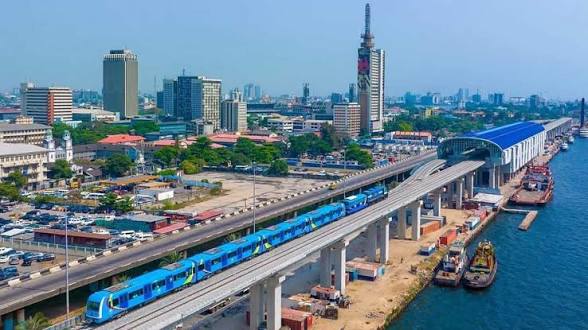
Lagos State is pushing forward with one of the most ambitious transportation infrastructure programmes in Africa as investments in rail transit continue to reshape mobility across Nigeria’s commercial capital.
With a population estimated at more than 20 million people and growing demand for efficient transportation, the state government has placed rail development at the center of its long-term urban infrastructure strategy. The Lagos Rail Mass Transit programme, which includes the Blue Line and Red Line rail systems, is designed to reduce congestion, improve productivity and support economic growth in one of Africa’s largest cities.
The projects represent some of the most significant state-led infrastructure investments currently underway in Nigeria.
Blue Line Rail Project Expands Public Transportation Capacity
The Lagos Blue Line Rail project remains one of the most important urban transportation developments in the country.
The first phase of the line, connecting Marina to Mile 2, is already operational and has introduced a new mass transit option for thousands of commuters travelling across key parts of Lagos.
State authorities continue work on future expansion phases aimed at extending the corridor deeper into western Lagos. Once fully completed, the line is expected to significantly improve movement across the metropolitan area while reducing pressure on major road networks.
Transportation experts believe the project could help lower commuting times and improve economic productivity by reducing hours lost daily in traffic congestion.
Red Line Strengthens Regional Connectivity
The Lagos Red Line, which connects Agbado to Oyingbo, represents another major milestone in the state’s transportation agenda.
The rail system was developed to improve connectivity between densely populated residential communities and major commercial districts. By integrating with existing transportation networks, the project is expected to support more efficient movement of workers and businesses across the city.
The development forms part of a broader strategy to build an integrated public transportation system capable of supporting long-term population growth.
Infrastructure Investment Supports Economic Growth
The significance of Lagos rail projects extends beyond transportation.
Efficient urban mobility plays a critical role in economic development by improving access to jobs, reducing transportation costs and supporting commercial activity. Businesses benefit from more predictable travel times, while workers gain improved access to employment opportunities.
Urban planners also note that major transportation corridors often stimulate real estate development, retail investment and commercial expansion in surrounding communities.
For this reason, the rail programme is increasingly viewed as both a transportation project and an economic development initiative.
Lagos Positions Itself for Future Growth
As Lagos continues to expand, infrastructure investment remains central to the state’s development strategy.
Road congestion has long been one of the city’s biggest economic challenges, affecting productivity and increasing operating costs for businesses. Rail infrastructure is expected to play a critical role in addressing these issues while creating a more sustainable transportation network.
The state government has consistently identified transportation infrastructure as a priority sector due to its importance for commerce, investment and quality of life.
Why State Mega Projects Matter
Large-scale state infrastructure projects are becoming increasingly important to Nigeria’s economic development.
While federal projects often attract national attention, state governments are playing a growing role in delivering transportation, housing, energy and industrial infrastructure. These investments directly influence business activity, job creation and investor confidence at the regional level.
Lagos’ rail programme demonstrates how state-led infrastructure can help address urban challenges while supporting long-term economic expansion.
Outlook
The Lagos Rail Mass Transit programme remains one of Nigeria’s most significant infrastructure projects and a key indicator of how state governments are approaching urban development.
As construction and expansion efforts continue, the success of the Blue Line and Red Line systems will be closely watched by policymakers, investors and urban planners across the country.
Their performance could influence future transportation investments not only in Lagos but also in other rapidly growing cities seeking solutions to congestion and mobility challenges.
Another News: https://www.theprojectherald.com/states-with-the-largest-capital-project-budgets-in-2026/