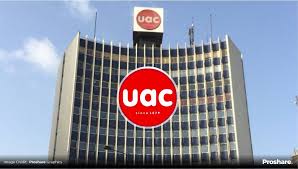
Long before fintech startups, billion-dollar valuations, and modern industrial giants became part of Nigeria’s business conversation, one company was already deeply rooted in the country’s commercial history.
UAC traces its roots back to 1879, making it one of the oldest surviving companies in Nigeria. At a time when modern Nigeria itself was still taking shape, the company had already begun trading activities along the River Niger.
For over a century, UAC has witnessed almost every phase of Nigeria’s economic evolution. From colonial rule to independence, military governments, oil booms, economic recessions, and the rise of the digital economy, the company has remained part of the country’s commercial landscape.
From Trading Company to Household Presence
What began as a trading operation eventually expanded into several sectors of the Nigerian economy.
Over the years, UAC built interests in:
- Food and consumer goods
- Agriculture
- Logistics
- Real estate
- Paint manufacturing
- Quick service restaurants
For many Nigerians, some of its brands became familiar parts of everyday life. Mr Bigg’s grew into one of Nigeria’s most recognized fast-food chains during its peak years, while Gala became one of the country’s most popular roadside snacks.
The company gradually became more than just a business institution. It became part of Nigerian consumer culture across different generations.
Surviving Different Versions of Nigeria
Perhaps the most remarkable part of UAC’s story is not simply its age, but its ability to survive through changing economic realities.
Nigeria’s business environment has never been easy. Companies face currency instability, policy shifts, inflation, infrastructure challenges, and changing consumer behavior. Many businesses that once dominated headlines disappeared after economic downturns or failed to adapt to changing times.
Yet UAC managed to remain relevant through multiple generations.
That survival speaks to one important business lesson: adaptation.
Companies that last for decades often understand how to evolve with the market instead of remaining attached to one era or one business model forever.
The Bigger Lesson for Modern Founders
Today’s startup culture often focuses heavily on speed, hype, funding rounds, and rapid growth. But older companies like UAC remind entrepreneurs that longevity is also an important measure of success.
Building a business that survives for generations requires patience, structure, reinvention, and a deep understanding of everyday human needs.
One reason UAC endured is because many of its businesses were built around essentials people consistently rely on:
- Food
- Distribution
- Housing
- Consumer products
Regardless of economic conditions, these needs continue to exist.
That principle remains relevant even in today’s technology-driven economy.
Why Stories Like This Matter
In a country where many businesses struggle to survive long-term, studying older institutions like UAC offers perspective on sustainability, resilience, and strategic growth.
The story is bigger than one company.
It reflects how Nigerian commerce evolved over time and how businesses can survive by adjusting to changing realities while continuing to serve everyday needs.
More than 140 years later, UAC remains one of the clearest examples of corporate longevity in Nigeria’s history.