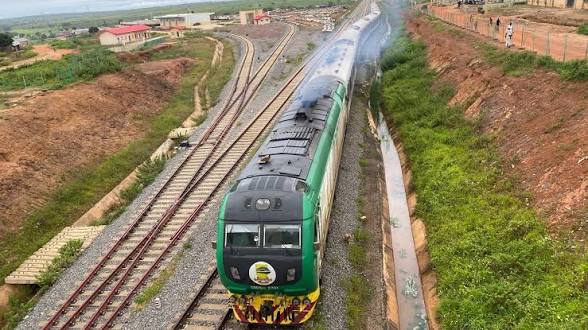
Transportation is often viewed simply as a means of moving people from one location to another. Yet for nations seeking economic growth, transportation infrastructure serves a much larger purpose. It connects markets, reduces business costs, improves productivity, and drives development.
Among the various modes of transportation, railways have historically played a critical role in supporting industrialization and economic expansion around the world.
In Nigeria, rail transport has experienced periods of growth, decline, and revival. While recent investments have renewed interest in the sector, questions remain about whether the country is fully harnessing the economic benefits that an efficient railway system can provide.
As Nigeria seeks to diversify its economy and improve competitiveness, the role of rail transport has become increasingly important.
Why Railways Matter to an Economy
Rail transport is often regarded as one of the most efficient methods of moving large volumes of goods and passengers over long distances.
Compared to road transportation, railways can move cargo at lower costs while reducing pressure on highways. This efficiency can significantly impact agriculture, manufacturing, trade, and logistics.
For businesses, lower transportation costs often translate into lower production expenses and improved profitability. For consumers, it can help reduce the cost of goods and services.
Countries with well-developed rail systems frequently benefit from stronger supply chains and greater economic integration.
The Historical Role of Rail Transport in Nigeria
Railways have been part of Nigeria’s economic landscape for more than a century.
The early rail network was developed primarily to move agricultural products and raw materials from inland regions to ports for export. Over time, the railway system became an important tool for connecting communities, facilitating trade, and supporting economic activity.
For many years, trains transported agricultural produce, livestock, minerals, manufactured goods, and passengers across various parts of the country.
The railway network helped link producers to markets and played a significant role in supporting commerce.
The Shift Towards Road Transportation
Over time, however, Nigeria became increasingly dependent on road transport.
A combination of inadequate investment, aging infrastructure, maintenance challenges, and operational inefficiencies contributed to the decline of rail services.
As railway performance weakened, businesses and individuals turned to road transportation as the primary means of moving goods and people.
Today, trucks carry a substantial portion of Nigeria’s freight, while buses and private vehicles dominate passenger movement.
While road transportation remains essential, overreliance on roads has created several economic challenges.
The Economic Cost of Limited Rail Capacity
One of the most significant consequences of weak rail infrastructure is the increased cost of logistics.
Businesses often spend substantial amounts transporting goods across the country. High transportation costs affect manufacturers, farmers, traders, and consumers alike.
Road congestion, vehicle maintenance expenses, fuel costs, and delays can increase the overall cost of doing business.
The impact is particularly significant for sectors that depend on the movement of large quantities of goods.
For example, agricultural producers may struggle to transport harvests efficiently to urban markets, while manufacturers face higher costs when moving raw materials and finished products.
In many cases, these costs are ultimately passed on to consumers through higher prices.
Rail Transport and Agriculture
Agriculture remains a key sector of Nigeria’s economy.
However, one of the biggest challenges facing farmers is access to markets.
An efficient rail system can help transport agricultural produce from rural communities to major commercial centres quickly and at lower costs.
This reduces post-harvest losses, increases profitability for farmers, and improves food distribution across the country.
For a nation seeking greater food security, improved rail infrastructure could become an important economic asset.
Rail Transport and Manufacturing
Manufacturing industries depend heavily on logistics.
Factories require raw materials, machinery, and other inputs that must be transported efficiently. Finished products must also reach wholesalers, retailers, and consumers.
Where rail systems are reliable, manufacturers often benefit from lower transportation costs and improved supply chain efficiency.
A stronger rail network could support industrial growth by making it easier and more affordable to move goods across Nigeria.
This could enhance competitiveness and encourage investment in local production.
Job Creation and Economic Opportunities
Railway development extends beyond transportation.
Large-scale rail projects create employment opportunities in construction, engineering, maintenance, operations, logistics, and support services.
A growing railway sector can also stimulate economic activity around stations, industrial hubs, and logistics centres.
The resulting multiplier effect can contribute to broader economic growth.
Recent Investments and Signs of Progress
In recent years, Nigeria has invested in modern rail infrastructure aimed at improving connectivity and transportation efficiency.
New rail projects and upgrades have expanded passenger services and created opportunities for increased freight movement.
These developments demonstrate growing recognition of the importance of rail transport to national development.
However, many experts argue that additional investment, expansion, and operational improvements will be necessary to unlock the full economic benefits of the railway system.
Is Nigeria Investing Enough?
While progress has been made, the scale of Nigeria’s economy and population suggests that transportation demand will continue to grow.
A modern railway system capable of supporting both passenger and freight movement requires long-term planning, sustained investment, and effective management.
Questions remain regarding network coverage, maintenance, integration with ports, and the extent to which rail can complement other forms of transportation.
The success of future investments will likely depend on how effectively these challenges are addressed.
The Road Ahead
The future of Nigeria’s railways is closely tied to the future of the economy itself.
As businesses seek lower operating costs and governments pursue economic diversification, efficient transportation infrastructure will become increasingly important.
Rail transport alone cannot solve every economic challenge, but it can help improve productivity, support industrialisation, strengthen agriculture, and reduce logistics costs.
The opportunity is significant.
For a country with a large population, expanding economy, and growing demand for mobility, railways represent more than a transportation system—they represent a tool for national development.
The question is no longer whether rail transport matters.
The real question is whether Nigeria can build a railway network capable of delivering the economic benefits that many other nations have successfully achieved.
Related news: https://www.theprojectherald.com/nigeria-once-led-the-world-in-palm-oil-what-changed/