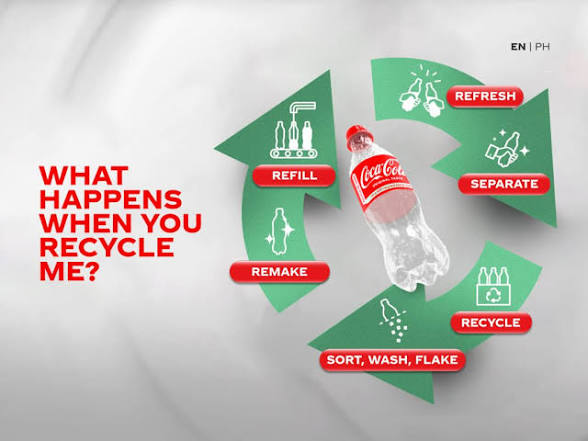
As concerns over plastic pollution continue to grow worldwide, businesses are facing increasing pressure to reduce their environmental footprint. Among the companies taking steps to address this challenge is Coca-Cola, which has launched several recycling and sustainability initiatives aimed at reducing waste and promoting a circular economy.
The company’s recycling project has become one of its most significant sustainability efforts, focusing on collecting, recycling, and reusing packaging materials while encouraging responsible consumer behavior.
Understanding the Project
The Coca-Cola recycling project is part of the company’s broader sustainability strategy. The initiative seeks to ensure that bottles and cans do not end up as waste but are instead collected, processed, and reused to create new packaging.
The project aligns with global efforts to tackle plastic pollution and support environmental conservation while maintaining business growth.
Project Objectives
The primary objectives of the project include:
- Reducing plastic waste in the environment.
- Increasing recycling rates across communities.
- Encouraging consumers to recycle used packaging.
- Supporting the development of recycling infrastructure.
- Promoting a circular economy where materials are reused rather than discarded.
- Lowering the company’s overall environmental impact.
Why the Project Matters
Plastic pollution has become one of the world’s biggest environmental challenges. Millions of tons of plastic waste enter landfills, rivers, and oceans every year, threatening wildlife and ecosystems.
As one of the world’s largest beverage companies, Coca-Cola produces billions of bottles annually. This places the company in a unique position to influence how packaging is managed after use.
The recycling project represents an effort to balance business operations with environmental responsibility.
Key Components of the Initiative
Collection Programs
Coca-Cola supports programs that encourage the collection of used bottles and cans from homes, schools, businesses, and public spaces.
These programs help prevent recyclable materials from becoming environmental waste.
Recycling Partnerships
The company collaborates with governments, environmental organizations, waste management firms, and recycling companies to improve collection and processing systems.
These partnerships strengthen recycling networks and increase recovery rates.
Consumer Education
Public awareness campaigns play a major role in the project. Consumers are encouraged to dispose of packaging responsibly and participate in recycling programs.
Education helps create long-term behavioral change that supports sustainability goals.
Sustainable Packaging Innovation
The company continues investing in packaging designs that use recycled materials and require fewer natural resources to produce.
This reduces dependence on virgin plastic and supports a more sustainable production cycle.
Stakeholders Involved
The success of the project depends on collaboration among various stakeholders, including:
- Coca-Cola management and employees.
- Consumers.
- Recycling companies.
- Environmental organizations.
- Government agencies.
- Local communities.
- Investors and shareholders.
Each stakeholder contributes to the project’s implementation and long-term success.
Challenges Facing the Project
Limited Recycling Infrastructure
Many developing countries lack adequate recycling facilities, making collection and processing difficult.
Consumer Participation
The success of recycling programs depends heavily on public engagement and proper waste disposal habits.
Rising Operational Costs
Building and maintaining recycling systems requires substantial financial investment.
Increasing Environmental Expectations
Governments, activists, and consumers continue to demand stronger environmental commitments from multinational corporations.
Achievements and Impact
The project has produced several positive outcomes:
- Increased awareness of recycling practices.
- Greater collaboration between businesses and environmental groups.
- Improved collection of recyclable materials.
- Growth in the use of recycled content in packaging.
- Support for environmental sustainability efforts worldwide.
The initiative has also helped position Coca-Cola as a company actively working to address environmental concerns while adapting to changing consumer expectations.
SWOT Analysis
Strengths
- Strong global brand recognition.
- Significant financial resources.
- Extensive distribution network.
- Ability to influence consumer behavior at scale.
Weaknesses
- Large packaging footprint.
- Dependence on plastic packaging in many markets.
Opportunities
- Expansion of recycling infrastructure.
- Development of innovative packaging solutions.
- Increased consumer demand for sustainable products.
- Stronger partnerships with environmental organizations.
Threats
- Stricter environmental regulations.
- Growing public concern about plastic waste.
- Competition from brands with alternative packaging models.
- Rising sustainability compliance costs.
Lessons Learned
The project demonstrates that environmental sustainability requires more than corporate commitments. Success depends on partnerships, consumer participation, innovation, and long-term investment.
It also highlights the importance of integrating sustainability into core business operations rather than treating it as a separate initiative.
Conclusion
Coca-Cola’s recycling project represents a significant effort to address one of the most pressing environmental challenges of the modern era. While obstacles remain, the initiative shows how large corporations can contribute to waste reduction, resource conservation, and environmental sustainability. As recycling infrastructure and consumer awareness continue to improve, projects like this will play an increasingly important role in building a more sustainable future.
Related News: https://www.theprojectherald.com/mtn-nigerias-5g-rollout-a-project-herald-analysis/