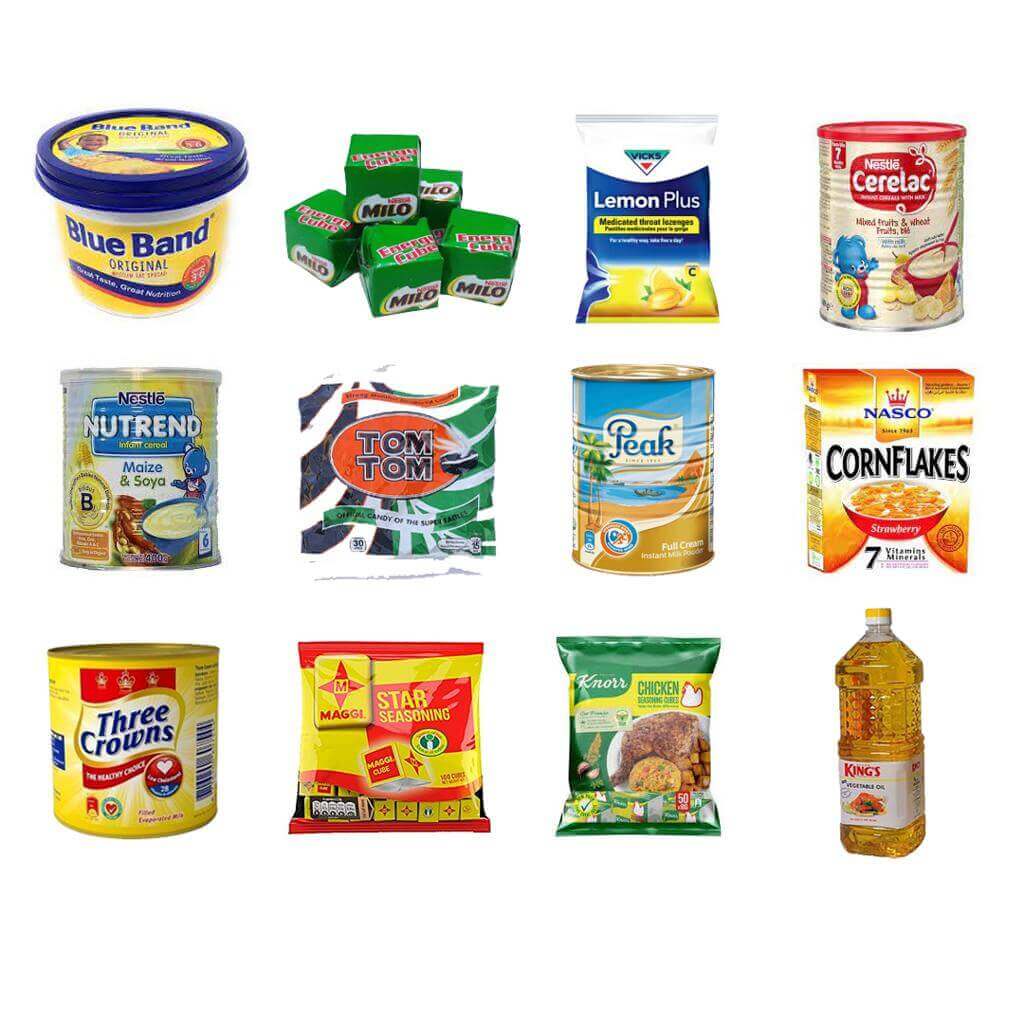
As Nigeria continues to face foreign exchange pressures, rising import costs, and shifting consumer preferences, a growing number of local brands are proving that quality products do not always have to come from abroad.
Across sectors ranging from food and beverages to personal care and manufacturing, Nigerian companies are increasingly attracting customers who once preferred imported alternatives. While many of these brands may not dominate headlines, they are steadily building loyal customer bases and expanding their presence in homes, stores, and businesses across the country.
A Shift Towards Local Alternatives
For years, imported goods enjoyed a reputation for superior quality among many Nigerian consumers. However, higher import costs and changing economic conditions have encouraged buyers to pay closer attention to locally produced options.
This shift has created opportunities for Nigerian manufacturers to improve product quality, strengthen branding, and compete more effectively in the marketplace.
Food and Beverage Brands Gain Ground
In the food sector, locally produced products have become increasingly popular as consumers seek affordable alternatives without sacrificing quality.
Companies such as Honeywell Flour Mills and Flour Mills of Nigeria continue to supply products that have become household staples, while several indigenous food processors have expanded into packaged foods, snacks, and consumer goods that compete directly with imported brands.
The growing preference for locally sourced products has also supported farmers and domestic supply chains, creating broader economic benefits beyond retail sales.
Nigerian Personal Care Products Finding Loyal Customers
The beauty and personal care industry has seen significant growth in recent years. Nigerian consumers are increasingly embracing locally made skincare, haircare, and cosmetic products designed specifically for local climates and consumer needs.
Many indigenous brands have gained popularity through social media marketing, customer referrals, and competitive pricing, allowing them to challenge imported products that once dominated shelves.
Manufacturing and Industrial Success Stories
Beyond consumer goods, Nigerian manufacturers are making notable progress in sectors such as cement, building materials, plastics, and household products.
Companies like Dangote Cement and BUA Cement have become major players in the construction industry, helping reduce dependence on imports while supporting local production capacity.
Their success demonstrates that Nigerian businesses can compete effectively when supported by strong investment, infrastructure, and market demand.
Challenges Remain
Despite these gains, local brands still face significant obstacles. High energy costs, transportation expenses, limited access to financing, and inconsistent infrastructure continue to increase production costs.
Many businesses also struggle against smuggled goods and imported products that enter the market at competitive prices.
A Growing Confidence in Nigerian Brands
Even with these challenges, consumer attitudes are gradually changing. More Nigerians are choosing local products not only because of affordability but also because of improved quality and greater confidence in domestic manufacturing.
As local companies continue to invest in innovation, branding, and production, Made-in-Nigeria products are quietly proving that they can compete successfully in a market long dominated by imports.
Their growth reflects a broader shift in Nigeria’s economy—one where local businesses are increasingly earning the trust and loyalty of the consumers they serve.
More news: https://www.theprojectherald.com/cross-river-targets-150bn-agribusiness-investment-deal/