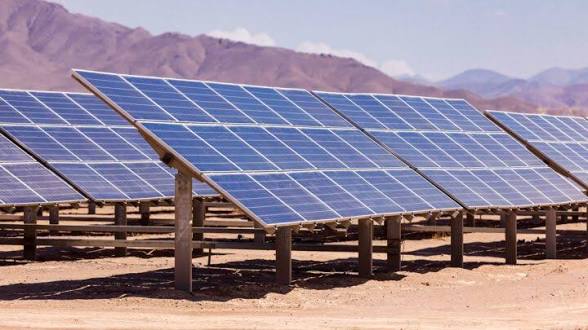
In a major development for Nigeria’s electricity sector, Nigerians who generate their own solar power can now sell excess electricity to distribution companies (DisCos) instead of letting it go to waste.
The Nigerian Electricity Regulatory Commission (NERC) has commenced the implementation of its Net Billing Regulations 2026, a policy that allows eligible consumers to export surplus renewable energy back to the electricity grid.
The move is being seen as one of the most significant changes in Nigeria’s power sector in recent years, especially as more homes, businesses, schools and industries increasingly turn to solar energy due to unreliable grid supply.
What the New Regulation Means
Under the new arrangement, consumers who generate electricity from renewable energy sources, particularly solar power, can use the energy they need and sell any excess power back to their electricity distribution company.
In simple terms, if a home, factory or business generates more electricity than it consumes, the extra power can now be exported to the grid instead of being wasted. In return, the customer receives credits or compensation under the net billing framework.
This effectively creates a new category of electricity users known as “prosumers” — people who both consume and produce electricity.
Why It Matters
For years, many Nigerians invested heavily in solar systems to reduce dependence on the national grid and fuel-powered generators.
However, whenever those systems produced more electricity than needed, the surplus energy often went unused.
The new regulation changes that.
Supporters say the policy could encourage more investment in solar energy by giving consumers an opportunity to recover part of their investment through energy sales. It could also help improve electricity availability by allowing more distributed power generation across the country.
Who Can Participate?
The framework is targeted at consumers with qualifying renewable energy installations connected to the distribution network.
NERC said the policy is designed for eligible renewable energy users who can safely export excess electricity into the grid through approved metering and technical arrangements.
Industry experts say implementation will require proper metering systems and coordination between customers and electricity distribution companies.
A Shift in Nigeria’s Energy Future
The regulation comes at a time when Nigeria is pushing for increased renewable energy adoption and improved electricity access.
With millions of Nigerians relying on self-generated power, policymakers believe encouraging solar generation could reduce pressure on the national grid while expanding access to cleaner energy sources.
The policy also aligns with broader efforts to diversify energy sources and promote private participation in electricity generation.
Challenges Ahead
While the announcement has been welcomed by many stakeholders, industry observers say the success of the programme will depend largely on implementation.
Questions remain about metering infrastructure, compensation mechanisms, grid capacity and the readiness of distribution companies to manage power supplied by consumers.
There are also concerns about how quickly eligible consumers will be connected to the system and how efficiently payments or credits will be processed.
Looking Ahead
Despite the challenges, the introduction of net billing marks a historic shift in Nigeria’s electricity sector.
For the first time, many Nigerians who invest in solar power may not only reduce their electricity bills but also earn value from excess energy generated by their systems.
If successfully implemented, the policy could encourage wider adoption of renewable energy and create a future where electricity consumers become active contributors to Nigeria’s power supply rather than relying solely on traditional generation sources.
You can also read; https://www.theprojectherald.com/when-groundnut-pyramids-defined-nigerias-economy/