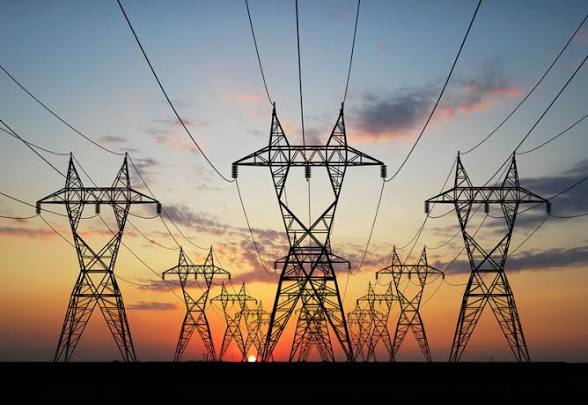
Nigeria’s power sector is attracting renewed investment as federal and state governments push ahead with transmission upgrades, renewable energy projects and electricity market reforms aimed at improving power supply across the country.
The developments come at a time when reliable electricity remains one of the biggest obstacles to economic growth, industrial expansion and foreign investment. While generation capacity has increased over the years, transmission constraints and distribution challenges continue to limit the amount of electricity reaching homes and businesses.
Presidential Power Initiative Drives Transmission Expansion
One of the largest ongoing projects in the sector is the Presidential Power Initiative, the partnership between the Federal Government and Siemens Energy designed to modernise Nigeria’s electricity transmission network.
A key component of the programme is the construction of the new Abeokuta 330/132kV Transmission Substation in Ogun State. The project is expected to add 480 megawatts of transmission capacity and strengthen electricity supply across Ogun State and neighbouring parts of the South-West upon completion.
The project forms part of a broader effort to reduce transmission bottlenecks that have historically prevented the national grid from efficiently delivering available electricity to consumers.
Industry experts view transmission investment as one of the most critical areas for Nigeria’s power sector because grid limitations remain a major obstacle to improving electricity reliability nationwide.
Alaoji-Onitsha Transmission Upgrade Targets South-East Supply
In the South-East, the Transmission Company of Nigeria is advancing the upgrade of the Alaoji-Onitsha transmission line.
The project involves the reconstruction of approximately 138 kilometres of transmission infrastructure and is expected to significantly increase power evacuation capacity within the region. Once completed, the upgraded line will improve grid stability and strengthen electricity delivery to industrial and commercial centres across the South-East.
The investment is part of ongoing efforts to expand the national transmission network and support growing electricity demand.
Solar Projects Expand Beyond the National Grid
Renewable energy is becoming an increasingly important component of Nigeria’s electricity strategy, particularly in communities where grid access remains limited.
The Rural Electrification Agency has announced plans to execute more than 500 electrification projects under its 2026 budget programme. The initiative includes extensive deployment of solar-powered mini-grids and hybrid energy systems across public institutions and underserved communities.
Government officials believe the programme will help accelerate electricity access while reducing dependence on diesel-powered generation, which remains a significant cost burden for businesses and public facilities.
The expansion of solar infrastructure also aligns with Nigeria’s broader efforts to diversify its energy mix and increase access to cleaner sources of electricity.
State Governments Begin Building Independent Electricity Markets
One of the most significant developments in Nigeria’s power sector is the growing role of state governments following reforms introduced under the Electricity Act.
Lagos State has emerged as a leading example after taking steps toward operating its own electricity market and regulatory framework. The state has signed agreements aimed at expanding electricity supply through local generation and distribution arrangements designed to improve reliability for businesses and public institutions.
Other states are pursuing similar strategies, including investments in renewable energy projects and independent power initiatives aimed at reducing reliance on the national grid.
The shift marks a major structural change in Nigeria’s electricity sector and could reshape how power projects are financed and delivered in the coming years.
Why Power Investments Matter for Nigeria’s Economy
Electricity remains one of the most important drivers of economic productivity. Manufacturers, technology firms, industrial operators and small businesses continue to spend billions of naira annually on alternative power sources due to unreliable grid supply.
Improving electricity infrastructure has the potential to lower operating costs, increase industrial output, attract investment and support job creation across multiple sectors of the economy.
For this reason, transmission projects, renewable energy investments and state electricity reforms are increasingly viewed as some of the most important infrastructure developments currently underway in Nigeria.
Outlook
The combination of grid expansion projects, solar electrification programmes and state-led electricity reforms signals a new phase for Nigeria’s power sector.
While significant challenges remain, particularly around financing, grid stability and distribution efficiency, the scale of current investments suggests that electricity infrastructure is once again becoming a national development priority.
The success of these projects will ultimately be measured by their ability to deliver more reliable power to homes, businesses and industries, helping unlock economic growth across Africa’s largest economy.
Read more: https://www.theprojectherald.com/nigerian-graduates-turn-to-ride-hailing-jobs-in-2026/