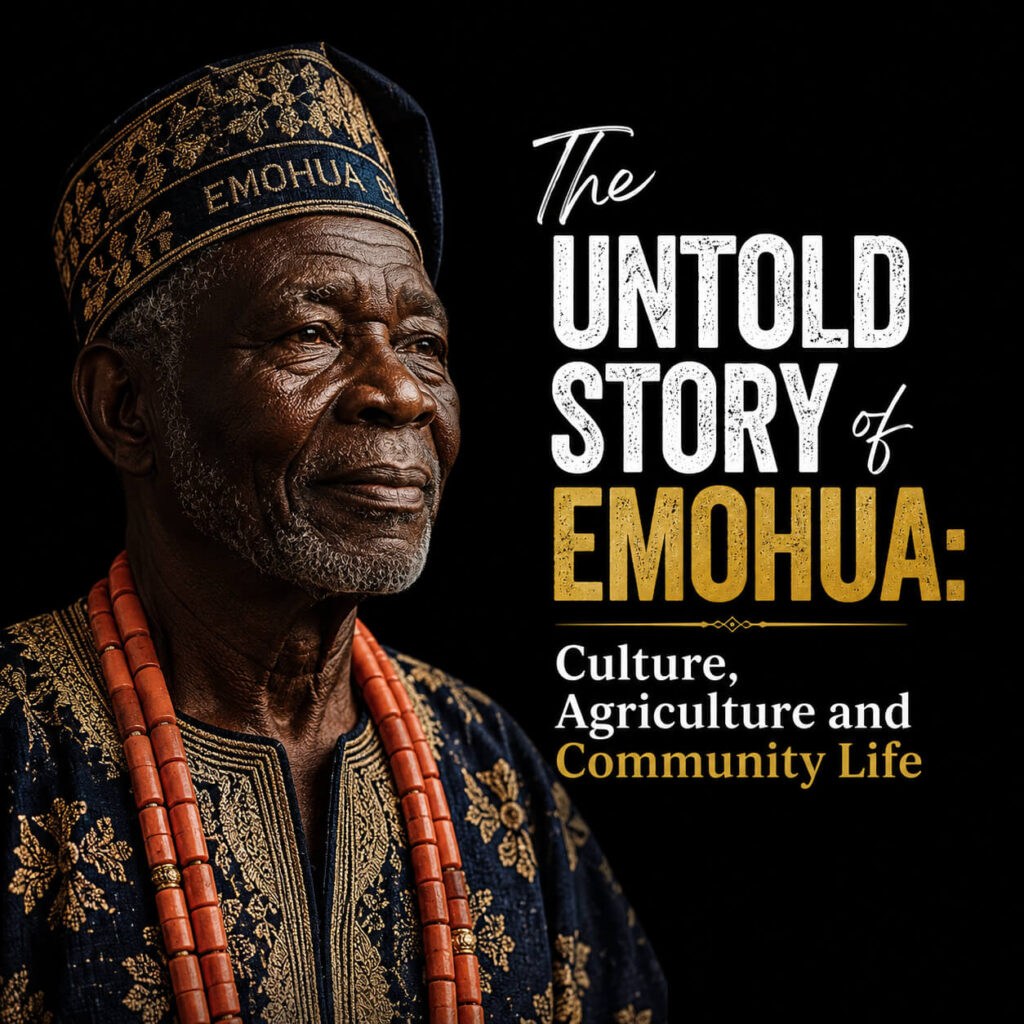
A Community Rooted in Tradition and Everyday Resilience
Away from the busy streets and fast paced lifestyle of major cities in Rivers State lies Emohua, a community where culture, agriculture and strong family values continue to shape everyday life.
For many people outside the area, Emohua may simply appear as another local government area in Rivers State. But behind its roads, markets, farmlands and villages is a community deeply connected to tradition, local enterprise and communal living.
From farming activities at sunrise to evening gatherings where stories, culture and traditions are shared, life in Emohua reflects a blend of heritage and resilience that has remained part of the identity of its people for generations.
Agriculture Remains the Heartbeat of the Community
Long before digital businesses and modern city lifestyles became common, agriculture remained one of the strongest pillars of Emohua’s local economy.
Across several communities within the area, farming continues to support families and small businesses. Cassava farming, palm produce, fishing and local food production remain common economic activities among residents.
In many homes, farmlands are more than sources of income. They are part of family history and community survival.
Local markets within the area also play an important role in sustaining economic activities, as traders, farmers and buyers interact daily through the exchange of food products and household goods.
Residents say agriculture continues to shape the rhythm of life in the community, especially in rural areas where farming seasons influence business activities and daily schedules.
The Culture and Traditions That Define Emohua
Culture remains one of the strongest identities of the people of Emohua.
Traditional marriage ceremonies, local attire, music, dance performances and respect for elders continue to hold significance across many communities in the area.
Community gatherings and cultural celebrations often bring together families, youths and elders, helping preserve values passed down through generations.
Many residents believe these traditions help strengthen unity and maintain a sense of identity despite changing times and modernization.
The local language, storytelling traditions and communal lifestyle also remain important parts of everyday life for many families in Emohua.
Observers say cultural preservation has become increasingly important as younger generations grow up in a rapidly changing digital society.
Youths Are Finding New Paths Beyond Tradition
While agriculture and culture remain central to the identity of Emohua, many young people are gradually exploring opportunities beyond traditional occupations.
In recent years, more youths from the area have shown growing interest in education, entrepreneurship, technology, fashion, sports and digital skills.
Some young people are building small businesses while others are pursuing careers in media, information technology and skilled trades.
Community development advocates say the rise of smartphones, internet access and digital learning opportunities is gradually exposing more youths in rural communities to wider possibilities beyond their immediate environment.
Despite challenges such as unemployment and limited infrastructure, many young residents continue to pursue self development and new economic opportunities.
Community Life Built on Relationships and Support
One of the most noticeable aspects of life in Emohua is the strong sense of community among residents.
In many areas, neighbors still maintain close relationships and communal support remains an important part of everyday living.
Families often participate together during ceremonies, celebrations, community meetings and development activities.
For many residents, this sense of togetherness remains one of the defining features of the community.
Older generations within the area also continue to play active roles in guiding younger people through cultural teachings and community values.
The Challenges Facing the Community
Like many developing communities across Nigeria, Emohua also faces challenges connected to infrastructure, unemployment, healthcare access and youth opportunities.
Some residents believe increased investment in roads, education, digital access and community development could improve economic growth and create more opportunities for young people.
Others say greater attention should also be given to preserving cultural heritage while encouraging modern development.
Community leaders and youth advocates have repeatedly emphasized the importance of empowering young people through education, skills acquisition and entrepreneurship programs.
A Community With a Story Still Being Written
Despite modernization and changing lifestyles, Emohua continues to hold strongly to its cultural identity and communal spirit.
Its farmlands, local markets, traditions and people remain part of a larger story about resilience, heritage and everyday survival in Rivers State.
For many residents, Emohua is more than a location on the map. It is a community shaped by shared history, family ties, hard work and cultural pride.
As more attention gradually turns toward local development, youth empowerment and community storytelling in Rivers State, many believe the untold story of Emohua is only beginning to be fully understood.