For decades, internet access across many parts of West Africa was expensive, slow, and unreliable. Businesses struggled with connectivity, startups faced digital limitations, and millions of people had limited access to fast broadband services.
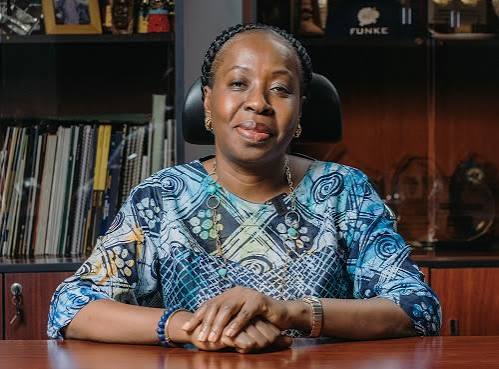
That began to change with one ambitious infrastructure project led by Nigerian engineer and entrepreneur Funke Opeke.
Through MainOne Cable Company, Opeke pioneered and successfully executed the construction of West Africa’s first privately owned submarine fiber optic cable system — a project that would later become one of the most transformative digital infrastructure developments on the continent.
The Vision Behind MainOne
Before founding MainOne, Funke Opeke had already built an impressive career in telecommunications, including working with global telecom giant Verizon in the United States.
However, she recognized a major problem in Africa’s digital ecosystem: the lack of reliable international broadband infrastructure connecting West Africa to the rest of the world.
At the time, internet providers in the region depended heavily on limited and costly bandwidth systems, leading to poor internet quality and high service costs.
Opeke believed that building a direct, high-capacity fiber optic connection between West Africa and Europe could significantly improve internet accessibility and reduce costs across the region.
That vision eventually became MainOne.
Building a 7,000-Kilometer Undersea Cable
In 2010, MainOne officially launched a 7,000-kilometer submarine cable stretching from Portugal to West Africa, with landing points in countries including Nigeria and Ghana.
The project was historic for several reasons.
It was:
- West Africa’s first privately funded submarine cable system
- One of the largest digital infrastructure investments in the region at the time
- A major breakthrough for internet connectivity and broadband expansion
Constructing the cable required massive technical coordination, international partnerships, engineering expertise, and significant financial investment.
Despite the challenges, the project was completed successfully and began transforming internet access across multiple countries.
Reducing Internet Costs Across West Africa
One of the biggest impacts of the MainOne cable project was the reduction in internet bandwidth costs.
Before the cable launch, internet access in many West African countries was both costly and unstable. Businesses often struggled with slow connections, while consumers paid high prices for limited data access.
The MainOne infrastructure increased broadband capacity significantly, helping telecom providers deliver faster and more affordable internet services.
This improvement played a major role in expanding digital access for:
- Startups
- Financial institutions
- Schools and universities
- Government agencies
- Media organizations
- Technology companies
The project also helped create a stronger foundation for the rapid growth of Africa’s digital economy.
Fueling Africa’s Tech Ecosystem
As internet infrastructure improved, many sectors across Africa experienced rapid digital transformation.
The rise of:
- Fintech companies
- E-commerce platforms
- Digital media businesses
- Remote work opportunities
- Online education
- Cloud services
was partly enabled by stronger broadband infrastructure like MainOne.
Nigeria’s growing tech ecosystem, now recognized globally for innovation and startup growth, benefited significantly from improved connectivity and reduced internet barriers.
Industry analysts widely consider the MainOne cable project one of the foundational developments that accelerated digital growth in West Africa.
A Legacy Beyond Connectivity
Today, MainOne has grown beyond submarine cable operations into broader digital infrastructure services, including data centers and enterprise connectivity solutions across Africa.
Funke Opeke’s achievement continues to be recognized as a landmark contribution to Africa’s technological advancement and infrastructure development.
More importantly, the project demonstrated how African-led innovation and private-sector investment could solve large-scale infrastructure challenges and create long-term economic impact.
As Africa’s digital economy continues to expand, the MainOne story remains a powerful example of vision, leadership, and transformative innovation.
In another news https://www.theprojectherald.com/razaq-okoya-eleganza-lessons-for-young-entrepreneurs/