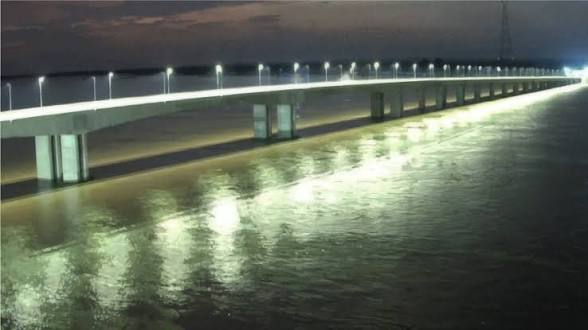
For decades, the idea of a Second Niger Bridge was one of Nigeria’s biggest infrastructure conversations.
The original Niger Bridge, which links the South East to other parts of the country through Onitsha in Anambra State, had long been a major economic route for businesses, transporters, and travelers. But over the years, increasing traffic, frequent gridlock, and concerns about the bridge’s aging condition created growing pressure for an alternative route.
Every festive period, especially during Christmas and New Year celebrations, traffic around the bridge often became a national discussion.
So when the federal government finally completed and commissioned the Second Niger Bridge, many Nigerians viewed it as a historic achievement.
However, beyond the celebrations and political statements, conversations have continued around whether the project has fully solved the problems it was meant to address and what lessons can be learned from its execution.
How the Second Niger Bridge Project Started
Discussions about building a second bridge across the River Niger date back several decades.
The project was first proposed during the administration of former President Shehu Shagari in the late 1970s, but it did not move beyond the planning stage.
Over the years, different administrations revisited the idea, especially because of the economic importance of the Onitsha-Asaba route.
Actual construction activities became more visible during the administration of former President Goodluck Jonathan, while major funding and accelerated construction happened under former President Muhammadu Buhari’s administration.
The bridge was eventually commissioned in December 2022.
The project includes a 1.6-kilometer bridge, multiple interchanges, and several kilometers of connecting roads designed to improve movement between Delta and Anambra states.
Why the Project Was Important
The Second Niger Bridge was never seen as just another road project.
For many Nigerians, especially people from the South East, the bridge represented economic relief, improved connectivity, and long-overdue infrastructure development.
The old Niger Bridge had become heavily congested over the years due to increasing commercial activities and population growth.
The route serves as one of the busiest trade corridors in Nigeria, connecting the South East with the South South, Lagos, and northern parts of the country.
The government believed the new bridge would:
- Reduce traffic congestion
- Improve road safety
- Boost economic activities
- Shorten travel time
- Support regional trade and transportation
Many businesses and transport operators also expected the project to reduce the severe delays often experienced during peak travel periods.
Did the Bridge Solve the Traffic Problem?
The completion of the Second Niger Bridge significantly improved movement around the Asaba-Onitsha axis compared to previous years.
Travelers during festive seasons reported reduced waiting times and smoother movement across the River Niger corridor.
The bridge also reduced pressure on the original Niger Bridge, which had handled traffic alone for decades.
However, traffic challenges did not completely disappear.
Many commuters observed that while the bridge itself improved traffic flow, congestion still occurs on some connecting roads leading into Onitsha and nearby commercial areas.
This has raised discussions about whether supporting road infrastructure around the bridge received enough attention alongside the main project itself.
Some transport experts believe that large infrastructure projects work best when surrounding roads, traffic management systems, and urban planning are upgraded simultaneously.
The Cost and Public Debate
Like many major public projects in Nigeria, the Second Niger Bridge also attracted discussions about cost, delays, and politics.
Over the years, different figures were associated with the project’s total cost, while political debates often surrounded which administration deserved more credit for the completion.
There were also concerns from some Nigerians about the long period between the project’s initial proposal and its eventual completion.
For many citizens, the bridge became an example of how major infrastructure projects in Nigeria can take decades to fully materialize.
Still, despite the criticisms, public reaction after the commissioning was largely positive because many people considered the project necessary and overdue.
Economic Impact of the Bridge
The Second Niger Bridge has already started influencing transportation and commercial activities around the region.
Businesses that rely on road transportation have benefited from improved movement, especially during periods of high travel demand.
The bridge also holds long-term economic value because the South East remains one of Nigeria’s strongest commercial regions.
Improved transportation infrastructure could encourage trade, logistics development, and investment opportunities across nearby states.
Some analysts believe the bridge may become even more impactful if additional road upgrades and transportation projects are completed around the corridor.
Lessons Nigeria Can Learn From the Project
One major lesson from the Second Niger Bridge project is the iSecond Niger Bridgemportance of continuity in governance.
The project lasted across multiple administrations before completion, showing how delays in public projects can increase costs and slow national development.
Another lesson is that infrastructure planning should go beyond the main structure itself.
Bridges, highways, and rail systems often depend on surrounding infrastructure to achieve their full impact.
Experts have repeatedly stressed that road expansion, traffic control systems, urban planning, and maintenance should develop alongside major projects.
The project also highlights the importance of long-term infrastructure investment in economically important regions.
Final Thoughts
The Second Niger Bridge remains one of Nigeria’s most significant infrastructure achievements in recent years.
While it may not have completely eliminated transportation challenges around the Onitsha-Asaba corridor, it has clearly improved movement and reduced pressure on the original Niger Bridge.
The project also stands as an example of how long-term infrastructure demands can eventually become reality when political will, funding, and sustained construction efforts align.
Still, the bigger conversation now is not just about building large projects, but about ensuring they are fully integrated into broader transportation and economic planning.
For many Nigerians, the Second Niger Bridge is no longer just a promise discussed during political campaigns. It is now a functioning structure whose long-term success will depend on how well surrounding infrastructure and regional development continue to evolve.
Read more news https://www.theprojectherald.com/abuja-light-rail-project-the-vision-problems-and-lessons/