For years, one of the biggest challenges facing African startups has not been a lack of ideas. It has been access to capital.
Across the continent, entrepreneurs have built businesses that are solving problems in finance, agriculture, healthcare, logistics, education, and technology. Many of these companies have gone on to attract international attention and millions of dollars in funding. Yet a large portion of that investment has traditionally come from outside Africa.
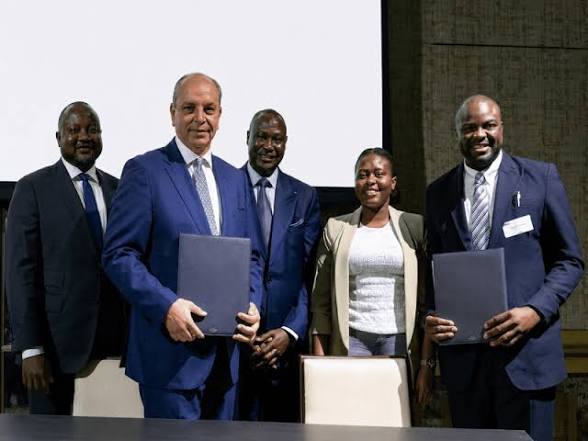
That is why a recent announcement by the Africa Finance Corporation (AFC) is attracting attention across the technology and business community.
The institution has approved a commitment of up to $100 million for Africa focused technology fund managers. While the figure itself is significant, many industry observers believe the bigger story is what it represents. It signals growing confidence in Africa’s ability to finance and build its own digital future.
More Than Just Another Funding Announcement
At first glance, a $100 million commitment may seem like just another investment headline. However, the move goes beyond funding a handful of startups.
Instead, AFC plans to invest in technology funds that support multiple companies across different sectors and stages of growth. This approach allows capital to reach a wider range of entrepreneurs while strengthening the investment ecosystem itself.
For many experts, this is an important shift. Rather than focusing solely on individual companies, the strategy focuses on building the structures that help innovation thrive over the long term.
The decision comes at a time when startup funding across the world has become more competitive. Investors are becoming more selective, and founders are finding it harder to raise capital than they did a few years ago.
Against that backdrop, AFC’s commitment sends a clear message that African innovation remains worth backing.
Why Local Capital Matters
One of the recurring conversations within Africa’s startup ecosystem has been the need for more local investment.
Over the past decade, foreign investors have played a major role in supporting African startups. Their contributions have helped businesses grow, expand into new markets, and create jobs.
However, reliance on external funding also comes with risks.
When economic conditions change in major financial markets such as the United States or Europe, African startups often feel the effects. Funding slows down, valuations decline, and growth plans are delayed.
Many founders and investors have therefore argued that Africa needs stronger participation from African institutions.
The latest commitment from AFC reflects that thinking. It represents an effort to ensure that African capital plays a larger role in financing African businesses.
Betting on Africa’s Digital Future
Technology is becoming increasingly important to Africa’s economic growth.
Across the continent, digital payments are transforming how people conduct business. E-commerce platforms are connecting buyers and sellers. Financial technology companies are bringing services to previously underserved communities. Artificial intelligence is beginning to influence sectors ranging from healthcare to agriculture.
Behind all of these developments is a growing digital economy that continues to expand every year.
The opportunity is enormous.
Africa has one of the youngest populations in the world, a rapidly growing internet user base, and an increasing number of entrepreneurs building solutions for local and global markets.
For investors willing to think long term, these trends represent a significant opportunity.
Building an Ecosystem, Not Just Companies
One of the most important aspects of AFC’s approach is its focus on fund managers.
While startup founders often receive most of the public attention, investment funds play a crucial role behind the scenes. They help identify promising businesses, provide strategic guidance, connect founders with networks, and support companies through different stages of growth.
By investing in experienced fund managers, AFC hopes to create stronger pathways through which capital can reach entrepreneurs.
This could ultimately benefit hundreds of businesses rather than just a select few.
It also helps build a more sustainable ecosystem where investment expertise remains within the continent.
A Sign of Growing Confidence
Perhaps the most encouraging part of this story is what it says about Africa’s confidence in its own potential.
For many years, discussions about African technology have often focused on whether international investors believe in African startups.
This announcement shifts the conversation.
It shows that African institutions themselves are increasingly willing to place meaningful bets on African innovation.
That change in mindset could prove just as important as the money being committed.
Investment is not only about capital. It is also about belief. When major institutions invest in an industry, they send a signal that they see long term value and long term opportunity.
Looking Ahead
Africa’s startup ecosystem still faces challenges. Access to capital remains uneven, infrastructure gaps persist in many regions, and entrepreneurs continue to navigate complex business environments.
Yet the continent has also demonstrated remarkable resilience and creativity.
The AFC commitment arrives at a moment when Africa’s digital economy is gaining momentum. More founders are building ambitious companies. More consumers are embracing digital services. More institutions are recognizing the role technology will play in future economic growth.
Whether this $100 million commitment becomes a catalyst for broader investment remains to be seen.
What is already clear, however, is that Africa’s technology story is entering a new chapter. Increasingly, that chapter is being written not only by global investors, but by African institutions that are choosing to invest in the continent’s future themselves.
Read more news: https://www.theprojectherald.com/vanta-secures-funding-for-u-s-health-market-expansion/