Nigerian state governors are considering a proposal to increase the national minimum wage to N100,000 as workers across the country continue to grapple with rising living costs and economic hardship.
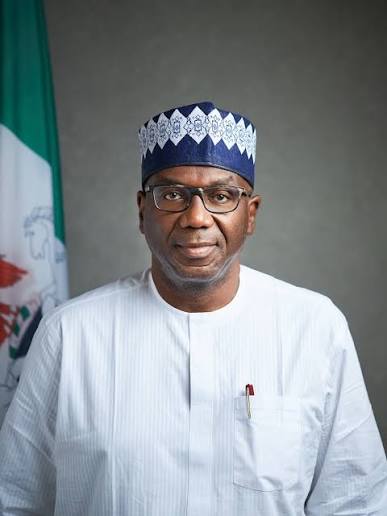
The development was disclosed by the Chairman of the Nigeria Governors’ Forum and Governor of Kwara State, AbdulRahman AbdulRazaq, who said discussions are ongoing between state governments, the Federal Government, and organised labour on the possibility of introducing a new wage structure.
According to him, the proposal is aimed at improving workers’ welfare while ensuring that governments at all levels can continue to meet their financial obligations.
Why a New Minimum Wage Is Being Considered
The conversation comes at a time when many Nigerians are facing increasing pressure from rising food prices, transportation costs, housing expenses, and other essential needs.
While the current national minimum wage stands at N70,000 per month, many workers have argued that the amount is no longer sufficient to meet basic household expenses in the current economic climate.
AbdulRazaq noted that state governments recognise the challenges workers are facing and understand the need to review salaries in line with present realities.
He explained that governors are working with relevant stakeholders to develop a framework that balances improved earnings for workers with the financial sustainability of government institutions.
Balancing Workers’ Welfare and Government Finances
One of the major concerns surrounding any increase in the minimum wage is the ability of states to sustain higher salary payments without affecting other areas of governance.
Many state governments rely heavily on federal allocations and internally generated revenue to fund salaries, infrastructure projects, healthcare, education, and other public services.
According to AbdulRazaq, ongoing consultations are focused on finding a solution that improves workers’ purchasing power while ensuring that states can continue to deliver essential services to citizens.
The governors, he said, want to avoid a situation where wage increases create financial strain that could negatively affect development projects or lead to future salary payment challenges.
What It Could Mean for Nigerian Workers
If approved, a N100,000 minimum wage would represent a significant increase from the current benchmark and could provide some relief for millions of workers struggling with inflation.
Many employees have repeatedly called for salary adjustments, arguing that rising prices have reduced the value of their earnings and made it increasingly difficult to maintain a reasonable standard of living.
Labour unions have also continued to advocate for wages that reflect present economic realities rather than amounts that merely guarantee survival.
For many workers, the proposed increase is seen as a necessary response to the rising cost of living that has affected households across the country.
Some States Already Pay Above the Benchmark
Although the national minimum wage currently stands at N70,000, some states have already adopted higher salary structures.
States such as Lagos, Rivers, and Imo are reported to be paying above the national benchmark as part of efforts to support workers and cushion the impact of economic challenges.
The proposed review could encourage a more uniform approach to worker compensation across the country if an agreement is eventually reached.
What Happens Next
Discussions between the Nigeria Governors’ Forum, the Federal Government, and organised labour are expected to continue in the coming weeks.
While no final decision has been announced, the proposal has already sparked conversations about workers’ welfare, inflation, government spending, and the broader state of Nigeria’s economy.
For millions of Nigerians, the outcome of these discussions could have a significant impact on household finances and living standards in the months ahead.
Read more https://www.theprojectherald.com/inside-nigerias-road-construction-giants/
You can also read: