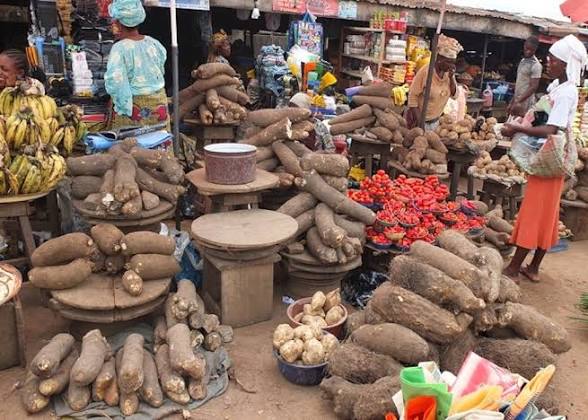
ABUJA, NIGERIA — Every week, millions of Nigerians leave the market wondering why food prices continue to rise despite reports of improved harvests in some parts of the country.
A basket of tomatoes that sold for far less a few years ago now costs significantly more. A bag of rice, a bunch of plantain or a basket of onions often comes with a price tag that leaves many households adjusting their budgets yet again.
While inflation, exchange rate fluctuations and insecurity are major contributors, another factor receives far less public attention.
It is the cost of moving food from the farm to the market.
Across Nigeria, farmers produce millions of tonnes of food every year. Yet getting those products to consumers has become one of the biggest challenges facing the country’s agricultural value chain.
For many experts, fixing Nigeria’s transport infrastructure may be one of the fastest ways to reduce food inflation.
The Long Journey from Farm to Table
Nigeria’s major food-producing states are often located hundreds of kilometres away from the country’s largest markets.
Tomatoes from Kano and Kaduna are transported to Lagos.
Yams from Benue are moved to Abuja, Port Harcourt and the South West.
Rice produced in Kebbi and Nasarawa travels across several states before reaching consumers.
Every kilometre adds to the final cost paid by ordinary Nigerians.
When roads are riddled with potholes, damaged bridges or heavy traffic, transporters spend more on fuel, vehicle repairs and travel time. Those additional expenses are eventually passed on to wholesalers, retailers and, ultimately, consumers.
In many cases, the food itself arrives damaged after long hours on poor roads, reducing supply and pushing prices even higher.
Bad Roads Are Increasing Food Prices
Many rural communities responsible for producing food remain poorly connected to major highways.
During the rainy season, some roads become almost impassable, making it difficult for farmers to transport fresh produce to urban markets.
For highly perishable items such as tomatoes, vegetables and fruits, every extra hour on the road increases the risk of spoilage.
Agricultural experts estimate that Nigeria loses a significant share of its harvested food before it even reaches consumers because of poor transportation, weak storage systems and inadequate logistics.
These losses reduce available supply and contribute directly to higher market prices.
Fuel Costs Make Transportation Even More Expensive
The removal of petrol subsidy and fluctuations in diesel prices have significantly increased the cost of transporting goods across the country.
Most food products are moved by road using diesel-powered trucks.
When fuel prices rise, transport fares also increase.
Traders often have little choice but to transfer those additional costs to consumers.
As a result, food inflation is no longer driven solely by what happens on the farm.
It is also shaped by what happens on Nigeria’s highways.
Traffic and Delays Add Hidden Costs
The problem extends beyond bad roads.
Heavy traffic around major cities, delays at checkpoints and congestion around markets often keep trucks on the road far longer than necessary.
A journey that should take eight hours can sometimes last an entire day.
For transport operators, longer journeys mean higher fuel consumption, increased labour costs and reduced vehicle productivity.
For consumers, it means paying more at the market.
Rail and Inland Waterways Remain Underused
Nigeria has invested in rail infrastructure in recent years, yet the movement of agricultural produce still depends overwhelmingly on road transport.
Experts argue that greater use of rail could reduce logistics costs, particularly for bulk commodities travelling over long distances.
Similarly, Nigeria’s inland waterways remain largely underutilised despite the country’s extensive river network.
Expanding freight movement through rail and waterways would ease pressure on highways, reduce transport costs and improve the efficiency of food distribution nationwide.
Better Storage Can Reduce Waste
Transportation is only part of the challenge.
Limited cold storage facilities mean many farmers are forced to sell their produce immediately after harvest, often at low prices.
When transport delays occur, perishable food spoils before reaching the market.
Investing in modern storage facilities closer to farming communities would help reduce post-harvest losses and stabilise food supplies throughout the year.
Why This Matters to Every Nigerian
Food is one of the largest household expenses for millions of Nigerian families.
When transport costs increase, almost every consumer feels the impact.
Restaurants spend more on ingredients.
Manufacturers pay more for agricultural raw materials.
Families spend a greater share of their income on feeding, leaving less money for healthcare, education and other essential needs.
Reducing logistics costs would therefore benefit not only farmers but the entire economy.
The Project Herald Perspective: The Road to Cheaper Food Starts Before the Market
Nigeria’s conversation about food inflation often focuses on farming, fertiliser and weather conditions.
Those issues are important, but they tell only part of the story.
A tomato harvested in Kano does not become expensive simply because it was grown there.
It becomes expensive because getting it safely to Lagos, Abuja or Port Harcourt costs too much.
If Nigeria is serious about making food more affordable, infrastructure must become part of the agricultural conversation.
That means rehabilitating rural roads that connect farming communities to major highways. It means completing strategic expressways that move goods across the country more efficiently. It means expanding rail freight for agricultural produce and investing in cold storage facilities that reduce waste before food even reaches the market.
Lower food prices will not come from one policy alone.
They will come from building a transport system where farmers spend less to move their harvest, traders lose less to spoilage and consumers pay less at the checkout.
In the end, one of the most effective ways to fight food inflation may not be inside the market.
It may begin on the road that leads to it.
Read more news: https://www.theprojectherald.com/top-10-data-centers-driving-nigerias-ai-economy-2026/