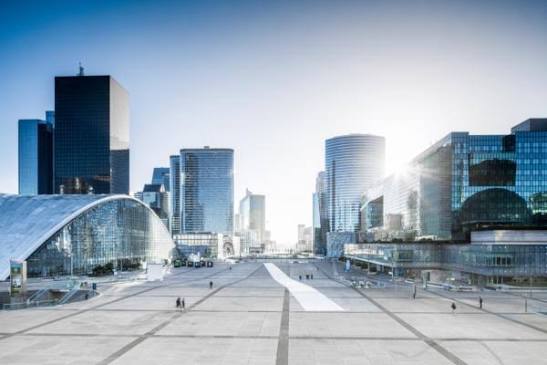
The cities of the future are no longer a concept confined to science fiction. Around the world, governments and technology companies are investing billions of dollars to create smarter, more connected urban environments designed to improve quality of life, reduce environmental impact, and make public services more efficient.
As urban populations continue to grow, cities face mounting pressure to address traffic congestion, housing shortages, pollution, energy consumption, and infrastructure challenges. In response, many countries are embracing smart city technologies that use data, artificial intelligence, sensors, and digital networks to improve how cities operate.
The result is a global competition to build urban centers that are cleaner, safer, and better prepared for the demands of the future.
What Makes a City “Smart”?
A smart city uses technology and data to improve everyday life for residents.
This can include intelligent traffic systems that reduce congestion, digital public services that simplify government interactions, smart energy grids that improve efficiency, and environmental monitoring systems that help cities respond to pollution and climate-related challenges.
Many smart cities also use sensors and real-time data to manage transportation networks, public safety systems, waste collection, and utility services more effectively.
The goal is not simply to add technology but to create cities that are more livable, sustainable, and efficient.
Singapore Sets the Global Standard
Singapore is widely regarded as one of the world’s leading smart cities.
The city-state has invested heavily in digital infrastructure, smart transportation systems, and data-driven public services. Residents can access a wide range of government services online, while advanced traffic management systems help reduce congestion across the city.
Singapore has also pioneered the use of smart sensors to monitor everything from air quality to water usage, helping authorities make faster and more informed decisions.
Its success has made it a model for urban planners around the world.
Saudi Arabia’s Ambitious Vision
One of the most ambitious smart city projects currently under development is Saudi Arabia’s futuristic urban development known as NEOM.
Designed as part of the country’s broader economic diversification strategy, the project aims to integrate renewable energy, advanced transportation systems, artificial intelligence, and sustainable urban planning on an unprecedented scale.
Supporters see it as a glimpse into what future cities could become, while critics continue to debate the project’s feasibility and long-term challenges.
Regardless of the outcome, it has become one of the most closely watched urban development projects in the world.
China’s Rapid Smart City Expansion
China has emerged as one of the most active participants in the smart city movement.
Major cities have adopted technologies ranging from intelligent traffic management to digital payment ecosystems and advanced public surveillance systems. Investments in 5G networks, artificial intelligence, and urban technology have accelerated the country’s smart city ambitions.
Chinese cities are increasingly using real-time data to manage transportation, energy consumption, and public services for millions of residents.
The scale of these initiatives has made China a major player in the future of urban innovation.
Europe Focuses on Sustainability
Across Europe, many smart city initiatives are closely linked to environmental goals.
Cities such as Copenhagen, Amsterdam, and Barcelona are investing in sustainable transportation, renewable energy systems, and smart infrastructure designed to reduce carbon emissions.
Cycling networks, electric public transportation, energy-efficient buildings, and digital environmental monitoring have become key components of urban development strategies.
For many European cities, technology is viewed as a tool for achieving long-term sustainability rather than an end in itself.
The Rise of Smart Cities in Developing Economies
The smart city concept is no longer limited to wealthy nations.
Countries across Asia, Africa, and Latin America are increasingly adopting digital technologies to address urban challenges. Rapid urbanization has created demand for more efficient transportation systems, better infrastructure management, and improved access to public services.
In many developing economies, smart technologies offer an opportunity to modernize urban systems without repeating some of the costly mistakes associated with older models of city development.
As smartphone adoption and internet connectivity continue to expand, digital solutions are becoming more accessible to growing urban populations.
Artificial Intelligence Is Changing Urban Life
Artificial intelligence is becoming one of the most important tools in modern city management.
AI-powered systems can analyze large amounts of data in real time, helping cities optimize traffic flow, predict infrastructure maintenance needs, improve emergency response times, and manage energy consumption more efficiently.
Urban planners increasingly view artificial intelligence as a key component of future city development, particularly as populations continue to expand.
The ability to make faster, data-driven decisions could help cities operate more effectively while reducing costs.
Challenges Remain
Despite the excitement surrounding smart cities, significant challenges remain.
Privacy concerns have become a major issue as cities collect increasing amounts of data. Cybersecurity risks also continue to grow as urban infrastructure becomes more digitally connected.
The cost of implementing advanced technologies can be substantial, and some experts worry that unequal access to digital services could widen social and economic divides.
Balancing innovation, privacy, affordability, and inclusiveness remains one of the most difficult aspects of smart city development.
Why the Race Matters
By 2050, a majority of the world’s population is expected to live in urban areas.
How cities respond to challenges such as climate change, transportation demands, housing pressures, and resource management will have a major impact on economic growth and quality of life.
Smart city technologies offer one possible path forward, providing tools that can help urban centers become more efficient and resilient.
The countries investing today in digital infrastructure, sustainable development, and urban innovation may gain significant advantages as the global economy becomes increasingly urbanized.
Building the Future Today
The race to build smarter cities is ultimately about more than technology. It is about creating urban environments that can support growing populations while improving everyday life.
From Singapore’s highly connected infrastructure and China’s rapid digital expansion to Europe’s sustainability-focused initiatives and Saudi Arabia’s futuristic ambitions, cities around the world are experimenting with new models of development.
While there is no single blueprint for the city of the future, one trend is clear: the next generation of urban centers will be shaped as much by data, connectivity, and innovation as by roads, buildings, and traditional infrastructure.
The decisions being made today may determine how billions of people live, work, and interact with their cities for decades to come.
More News: https://www.theprojectherald.com/will-the-economy-decide-nigerias-2027-election/