The Battle for Refining Dominance: Dangote Sets Date for Lamu Break Ground as Nigeria Eyes Regional Export
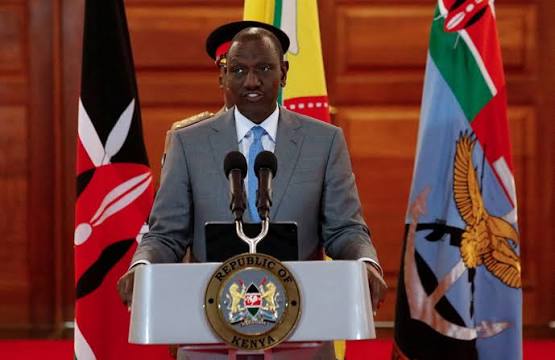
The structural architecture of African energy logistics is undergoing an unprecedented reshuffle. This week, Dangote Group Chairman Aliko Dangote confirmed that construction of the planned Lamu Oil Refinery in Kenya will officially break ground on September 30, 2026. With a staggering projected processing capacity of 700,000 barrels of crude oil per day, the KSh2 trillion ($15.5 billion) facility is set to become East Africa's largest processing hub.
It will mirror the operational footprint of Dangote's 650,000 bpd mega-refinery in Lagos, positioning the industrial conglomerate as the dominant market maker for refined products across East, West, and Central Africa. For engineering, procurement, and construction (EPC) consortiums, this massive capital deployment redefines sub-Saharan pipeline, storage, and marine-berth procurement schedules for the next five years.
Midstream Milestones: EACOP Hits 80% Completion Threshold
Complementing the Lamu expansion, East African Community (EAC) Council of Ministers Chairperson Rebecca Kadaga announced to the East African Legislative Assembly that construction of the 1,443-kilometer East Africa Crude Oil Pipeline (EACOP) has crossed the 80% completion mark. Connecting Hoima, Uganda, to the Tanga port in Tanzania, the world's longest heated crude pipeline enters its final mechanical and infrastructural development phase.
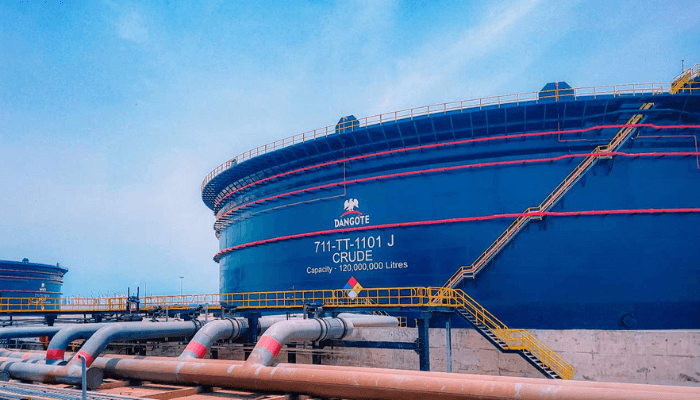
For policy makers and infrastructure funds, the simultaneous convergence of EACOP's crude flows and the Lamu refining hub transforms East Africa into a highly liquid, energy-independent trade corridor.
Prenews: Before It's News
We have tracked and published four unannounced Projects and capital allocations in this week's Intelligence E-Paper — Genuinely prenews, none of them are public tenders yet.
FUHSA two academic buildings (lecture theatre + offices) — get full details and access to early prenews months before it becomes mainstream news on the Project Herald Weekly Intelligence.
To have access to every tool on the platform — not just Prenews, but including the Risk Monitor dashboard, Pipeline, and Partnership Board — subscribe to Genesis.
Tightening the Reins: Nigeria Proposes Drastic Developer Licensing and Escrow Mandates
In West Africa, the era of unregulated, speculative off-plan property development is drawing to a rapid close. Delivering a keynote address, Nigeria's Minister of Housing and Urban Development, Engr. Muttaqha Rabe Darma, unveiled the proposed National Housing and Built Environment Regulation Policy.
To protect consumer equity and reposition the built environment's contribution to national GDP, the federal framework introduces mandatory licensing for all property developers, enforcement of the National Building Code, and compulsory escrow arrangements for buyers' funds.
Real estate executives must aggressively restructure their project underwriting; land banking without immediate intent to build is becoming cost-prohibitive under reforms like the Lagos Land Use Charge penalties on undeveloped plots.
Regulatory Matrix: Housing Frameworks Compared
| Compliance Metric | Nigeria (Proposed National Policy) | Kenya (Affordable Housing Act) |
|---|---|---|
| Capital Allocation Mandate | Compulsory consumer escrow account ringfencing per project. | Mandatory 1.5% gross salary housing levy matched by employers. |
| Developer Prerequisite | Annual mandatory institutional licensing and architectural validation. | NCA registration thresholds tied to technical and equipment capacity. |
| Penalty for Non-Delivery | Asset forfeiture and direct personal liability for developers. | Statutory interest penalties and immediate public fund audits. |

Capital Overhaul: Kenya Deploys KSh340 Billion Infrastructure Fund to Crowd In Private Equity
Faced with tightening public balance sheets, East African policymakers are pioneering alternative funding mechanisms. Kenya has operationalized its new National Infrastructure Fund with an initial base of 340 billion Kenyan shillings ($2.6 billion).
Writing for Nation Kenya, infrastructure expert Engineer Olivia Lavisa stressed that the fund is specifically designed to bypass rigid state budgetary constraints by attracting non-traditional private capital into projects of national importance. The state's investment policy explicitly signals a shift away from choosing projects purely by immediate commercial profitability, prioritizing long-term regional trade expansion instead.