THE PROJECT HERALD MAGAZINE — ISSUE 001
The Return to Afungi: Inside a $20 Billion Bet on Coming Home
By TPH Staff
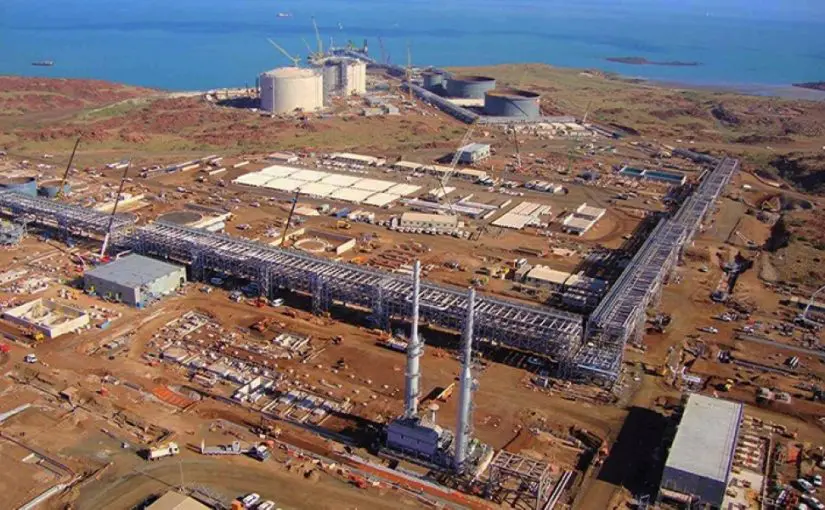
For four years, a peninsula on Mozambique's northern coast sat behind military lines, its half-built gas plant silent, its engineers scattered across three continents. In January this year, they came back.
The story of Mozambique LNG is not really a story about gas. It is a story about what happens when a $20 billion industrial project collides with an insurgency, what gets rebuilt afterward, and who gets to decide the terms of return.
What Happened at Palma
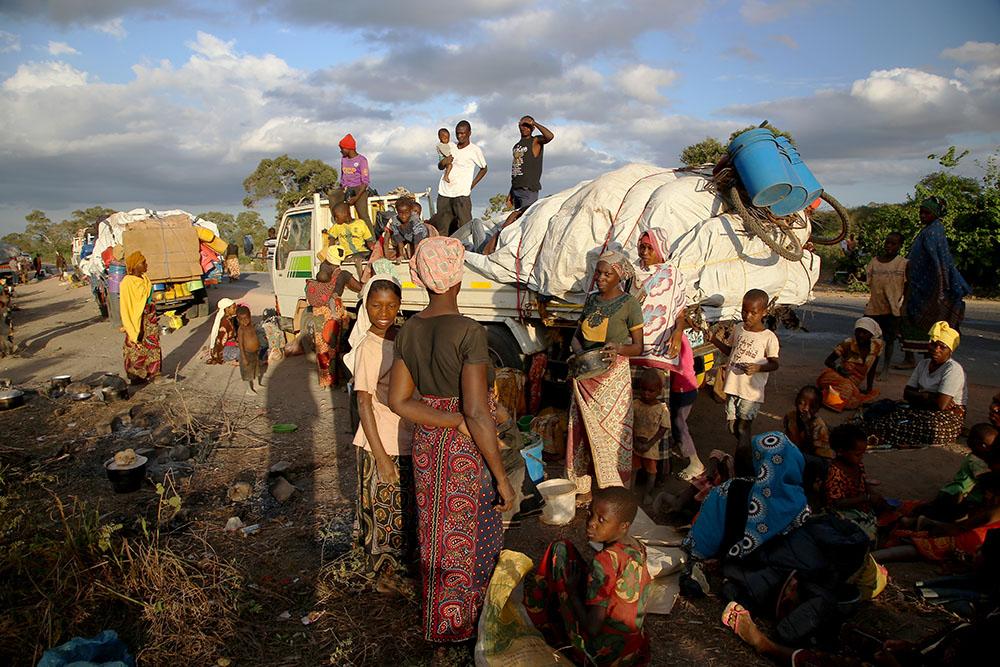
On 24 March 2021, fighters linked to an ISIL-affiliated group attacked the town of Palma, in Mozambique's Cabo Delgado province, roughly 10 kilometres from the Afungi Peninsula, where TotalEnergies was building one of Africa's largest LNG facilities. The siege lasted several days. Hundreds of people, including foreign contractors, were trapped; a hotel in the town held more than 180 people under threat for days before rescue. There is, to this day, no official count of the civilian dead.
TotalEnergies organised two ferry evacuations from the Afungi site on 27 and 30 March, moving more than 2,500 people, roughly half of them project personnel and contractors, the other half civilians who had sought refuge at the site's gates, to the city of Pemba. Within days, the company declared force majeure. The Mozambican army took control of the site, the airport, and the port. Construction stopped.
It would not resume for four years.
A Province Already at War
The insurgency in Cabo Delgado did not begin with the gas project, and it did not end with the evacuation. Attacks continued through 2021, displacing hundreds of thousands of people across the province. What followed at Afungi became one of the most contested corporate case studies of the decade: a multinational's gas terminal, guarded by government soldiers, sitting inside a live counter-insurgency.
THE PROJECT HERALD MAGAZINE — ISSUE 001, CONTINUED
The Reckoning
The years of force majeure were not quiet. In 2023 and again in 2025, formal complaints were filed in France, accusing TotalEnergies of complicity in war crimes committed by the Mozambican soldiers protecting its site, allegations the company has categorically rejected, saying it had no personnel on the ground during the period in question. Human rights investigators documented a separate, grimmer episode: dozens of civilians reportedly detained by the forces guarding the site between July and September 2021.
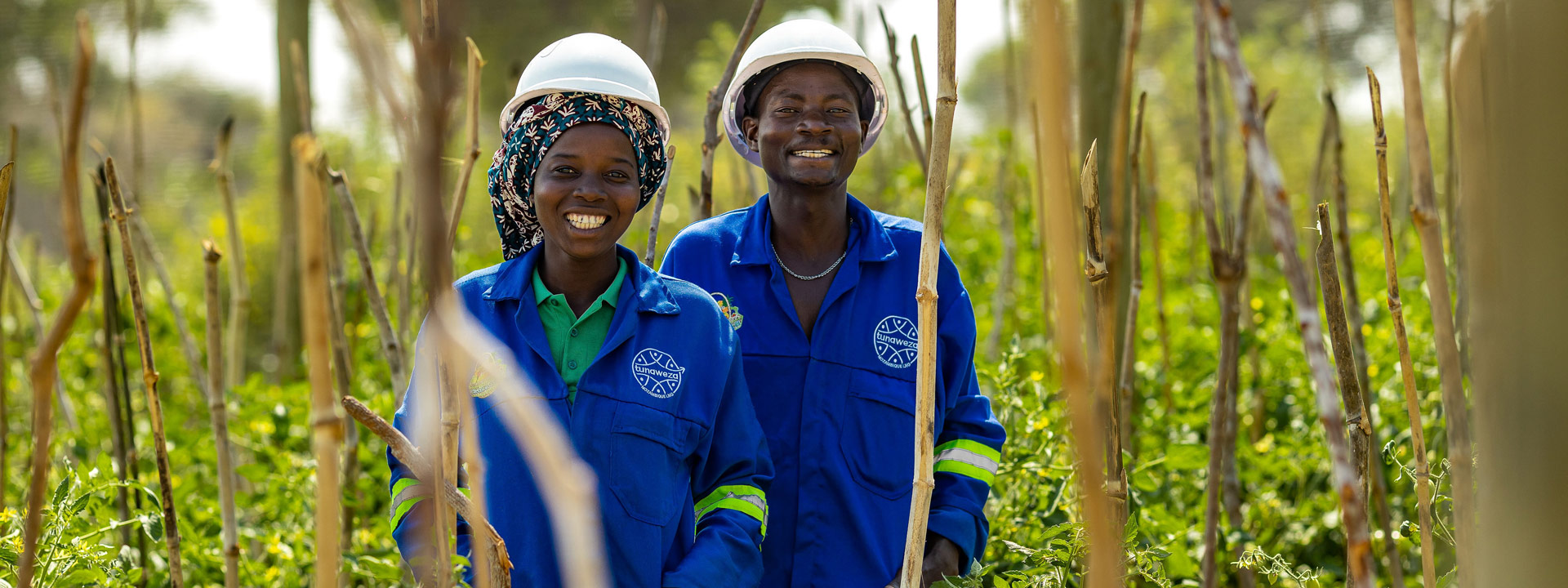
For the communities of Cabo Delgado, the damage was rarely abstract. Farmers displaced by the fighting found themselves displaced twice over, once by the insurgency, and again by a project that had reshaped the land they depended on. Julio Bicheche of the Farmers Union Cabo Delgado described it to Al Jazeera as a "double attack" on people's livelihoods, a phrase that has stuck to the project ever since.
TotalEnergies' response, beyond the evacuation itself, included emergency aid, roughly 400 tonnes of food and supplies distributed to displaced communities through 2021, and later a $200 million foundation, established in 2023 on the recommendation of a humanitarian and diplomatic review the company had commissioned. Soldiers remain deployed around the site to this day, based in Palma town and at two positions near the plant itself.
Five Years, One Question
Every year the project stayed dark, the question sharpened: would it ever restart, and if it did, on whose terms? Investors had already committed tens of billions of dollars. A province was still rebuilding. And 25 kilometres away, at the Rovuma LNG site this Magazine covered last week, a second Mozambican gas giant was quietly reaching its own execution milestone, proof that the country's gas ambitions had never actually stopped, only paused.

THE PROJECT HERALD MAGAZINE — ISSUE 001, CONCLUDED
The Restart
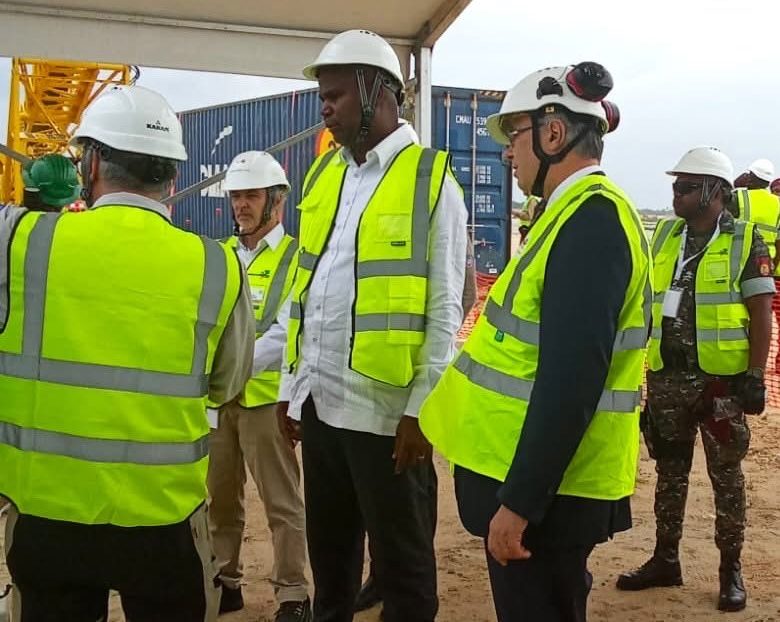
TotalEnergies formally lifted the four-year force majeure on Mozambique LNG in November 2025 and restarted all site activities on 29 January 2026. What followed was fast by megaproject standards: more than 4,000 workers mobilised to Afungi within months, over 3,000 of them Mozambican nationals. The company now expects Mozambican companies to be awarded upward of $4 billion in contracts over the life of construction, a local-content commitment now backed by the force of law, under Mozambique's new Local Content Law, published in June this year.
It is, by any measure, one of the more remarkable corporate returns on the African continent in this decade: a project that evacuated under fire, absorbed years of legal and human rights scrutiny, and came back not quietly, but with thousands of jobs and a public commitment to the province it once fled.
Why This Story Opens Issue One
We chose Mozambique LNG to launch this Magazine because it refuses to be a single kind of story. It is a security story, a human rights story, a local-content story, and a capital markets story, all at once, and that collision is exactly what The Project Herald exists to track: not just what gets built, but what it costs, who pays, and who eventually benefits.
Afungi is not finished. The soldiers are still there. The legal complaints are still moving through French courts. But the plant is being built, the payroll is Mozambican, and the peninsula that sat silent for four years is, once again, working.
The Project Herald Magazine returns next issue with the next chapter in Africa's infrastructure story. If this is your first time reading us, subscribe, this is what we do every issue: the story behind the headline, built from what's verifiable, not what's convenient.