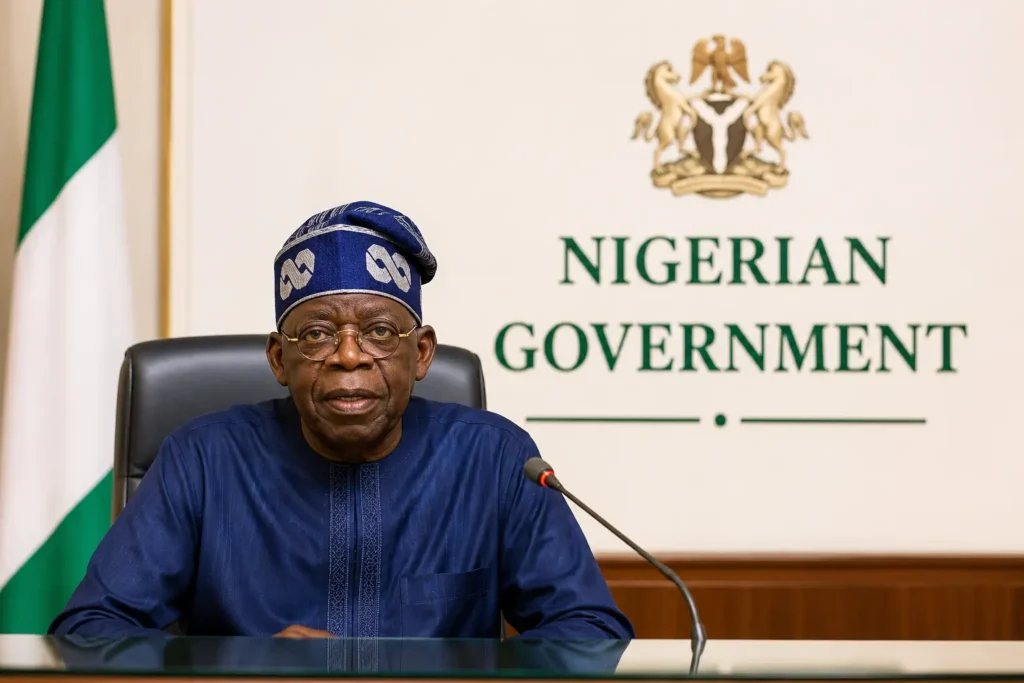
Nigeria has launched one of its most significant regulatory actions yet against global technology companies, as President Bola Ahmed Tinubu directed the Federal Competition and Consumer Protection Commission (FCCPC) to investigate allegations of anti-competitive practices involving Meta, Google, X (formerly Twitter) and several generative artificial intelligence (AI) platforms.
The directive follows a joint petition submitted by the Nigerian Press Organisation (NPO), an umbrella body representing the Newspaper Proprietors’ Association of Nigeria (NPAN), the Nigerian Guild of Editors (NGE), the Nigeria Union of Journalists (NUJ), the Broadcasting Organisations of Nigeria (BON), and the Guild of Corporate Online Publishers (GOCOP).
The media organisations allege that major technology companies have adopted business practices that undermine fair competition, threaten the sustainability of Nigeria’s news industry, and commercially benefit from journalistic content without providing fair compensation to publishers.
The Core of the Investigation
According to the FCCPC, the investigation will examine allegations of market dominance, anti-competitive conduct, and the unauthorised extraction, scraping, ingestion, and commercial use of copyrighted Nigerian news content.
The Commission will also investigate claims that original news reports, articles, broadcasts and other journalistic works have been used to develop and train generative AI systems without appropriate licensing agreements or commercial arrangements.
Another key area of focus will be whether Nigerian publishers have been denied meaningful opportunities to negotiate fair compensation for the value their journalism creates on digital platforms.
Why AI Platforms Are Included
The inclusion of generative AI companies marks an important development in Nigeria’s digital policy landscape.
As AI tools become increasingly capable of summarising news, answering questions and generating written content, publishers around the world have raised concerns that copyrighted journalism is being used to train these systems without permission or compensation.
Nigeria’s investigation reflects growing concerns about protecting intellectual property while ensuring innovation develops within a fair and competitive digital marketplace.
FCCPC Promises an Independent Investigation
The Executive Vice Chairman and Chief Executive Officer of the FCCPC, Tunji Bello, said the investigation will be conducted independently, transparently and based on evidence.
He emphasised that the inquiry should not be interpreted as a presumption of wrongdoing by any company but as an opportunity to establish the facts and determine whether any conduct has violated Nigeria’s competition and consumer protection laws.
Why This Matters Beyond Journalism
Although the investigation centres on the media industry, its implications extend far beyond newspapers and broadcasters.
The outcome could influence how technology companies engage with Nigerian content creators, publishers and businesses, while also shaping future policies on artificial intelligence, digital competition, copyright protection and platform accountability.
It could also redefine how value is shared within Nigeria’s rapidly expanding digital economy.
The Project Herald Analysis
This investigation represents more than a dispute between media organisations and global technology companies. It is part of a much broader conversation about who benefits from the digital economy.
As technology platforms increasingly become the gateway through which people discover news, governments around the world are questioning whether the creators of original journalism receive a fair share of the economic value generated by their work.
The FCCPC’s findings could become a landmark reference for future regulation of digital platforms, artificial intelligence and media sustainability in Nigeria, with consequences that reach well beyond the newsroom.
Read more news: https://www.theprojectherald.com/why-most-projects-fail-before-they-even-begin/