Nigeria’s Federal Government spent ₦18.76 trillion on public sector wages and external debt servicing between June 2023 and December 2025, underscoring the growing fiscal pressures facing Africa’s largest economy despite ongoing economic reforms.
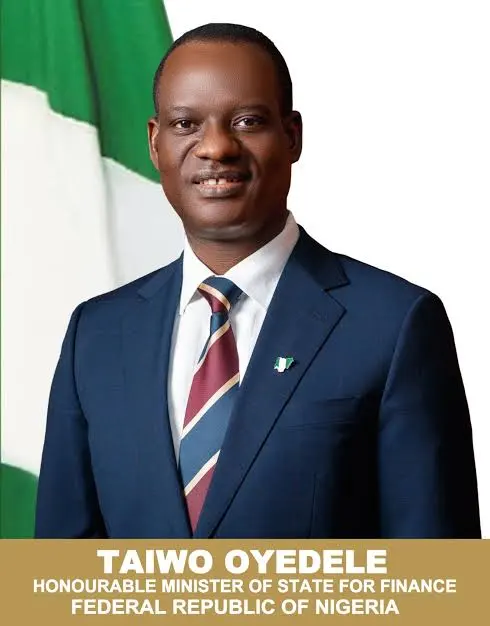
According to Chairman of the Presidential Fiscal Policy and Tax Reforms Committee, Taiwo Oyedele, ₦9.39 trillion was spent on wage adjustments, the implementation of the new national minimum wage, and public sector allowances. A further ₦9.37 trillion was used to service external debt, largely reflecting the higher naira cost of foreign currency obligations following exchange-rate reforms.
The government also invested ₦6.5 trillion in strategic infrastructure during the same period. Combined, wages, debt servicing, and infrastructure accounted for approximately 82% of the Federal Government’s ₦30.64 trillion in incremental spending.
Fiscal Pressures Continue to Shape Capital Allocation
The figures provide insight into how Nigeria’s fiscal resources have been allocated since the implementation of major economic reforms in 2023.
While continued spending on strategic infrastructure demonstrates the government’s commitment to long-term development, the scale of recurrent expenditure and debt servicing highlights the increasing competition for public resources. Rising debt-service costs, driven largely by exchange-rate adjustments, continue to consume a significant share of government spending that could otherwise support additional capital investment.
According to the reform scorecard, the removal of fuel subsidies generated ₦15.8 trillion in savings across the federation during the period, while the Federal Government recorded ₦20.4 trillion in additional fiscal resources from subsidy savings, independent revenue, and borrowing.
Project Herald Intelligence
For project developers, investors, contractors, lenders, and policymakers, the latest figures reinforce the importance of fiscal sustainability in infrastructure delivery.
As personnel costs and debt servicing continue to absorb a substantial portion of government expenditure, future infrastructure development is likely to rely increasingly on efficient project financing, stronger private-sector participation, and alternative capital mobilisation strategies.
The data also provides an important signal for businesses tracking public investment priorities, fiscal capacity, and long-term infrastructure opportunities in Nigeria.
Catch up: https://www.theprojectherald.com/nvidia-openai-sb-energy-ohio-ai-data-centre-project/