- Industry insights
- Corporate Profiles
- Market Trends
- The Road Ahead
FOLLOW THE MONEY
Africa's development story is often told through what gets built.
A new railway connecting cities and markets. A power plant adding capacity to an electricity system. A port expanding trade. A mine moving critical minerals into global supply chains. A manufacturing facility creating new industrial capacity. A data centre laying the infrastructure for a digital economy.
But the physical asset is only the visible end of a much longer story.
Before construction begins, capital has already started moving.
Someone has identified the opportunity. Someone has committed equity. Someone has assessed the risks. Someone has structured the financing. Someone has negotiated the terms. Someone has decided that the project can move from an idea on paper to an asset in the real economy.
That is the story this issue follows.
THE CAPITAL BEHIND THE PROJECT
A major development is rarely financed by a single cheque.
Behind a large project can sit commercial banks, development finance institutions, institutional investors, private capital, governments, export-credit agencies, project sponsors and specialist advisers.
Each may have a different reason for being there.
One may provide long-term debt. Another may take equity risk. Another may provide a guarantee. Another may structure the transaction. Another may develop the project itself.
The result is a capital structure designed around the particular economics and risks of the asset.
This matters because Africa does not simply need more money.
PROJECTS THAT CAN ABSORB CAPITAL
It needs more projects that can absorb capital effectively.
It needs stronger project preparation. Better transaction structures. Deeper domestic capital markets. More investable opportunities. And institutions capable of connecting capital with projects at the scale required.
FROM ANNOUNCEMENT TO EXECUTION
There is often a considerable distance between announcing a project and building it.
A project can have a compelling economic case and still require years of development before financing is secured.
It may need feasibility studies, permits, land arrangements, offtake agreements, technical assessments, financial modelling and risk allocation.
Then comes the question that can determine everything:
Who is willing to put capital at risk?
That question sits at the centre of Africa's infrastructure and industrialisation story.
WHY THIS ISSUE
The Project Herald follows projects before they become obvious.
That means looking beyond the headline announcement to the commercial architecture underneath it.
Where is the capital coming from?
Who is financing the development?
What stage has the project reached?
What has actually been committed?
What remains to be secured?
And what does the project unlock when it moves forward?
In this issue, we examine the institutions, transactions and projects that help answer those questions.
From infrastructure and energy to mining, industrial development and digital infrastructure, the objective is the same:
To understand not only what Africa is building, but how it is being financed.
THE CAPITAL QUESTION
Where is the money?
Who controls it?
What makes a project investable?
And which developments are positioned to move next?
THE PROJECT HERALD REVIEW
Projects • Capital • Products & Policy
Where Capital Meets Development
Following the money behind Africa’s project economy
Africa’s development story is often told through projects: railways, ports, mines, power plants, industrial parks, data centres and housing developments. But behind every major project sits another system — the capital architecture that determines whether an idea can become financeable, whether financing can reach financial close and whether construction can ultimately begin.
That architecture is becoming increasingly important to understand. Africa Finance Corporation’s 2026 State of Africa’s Infrastructure report notes that Africa’s non-bank domestic capital pools exceed US$2 trillion, while African pension and insurance assets have crossed US$1 trillion. The question is therefore not simply whether capital exists, but how effectively it can be connected to investable projects.
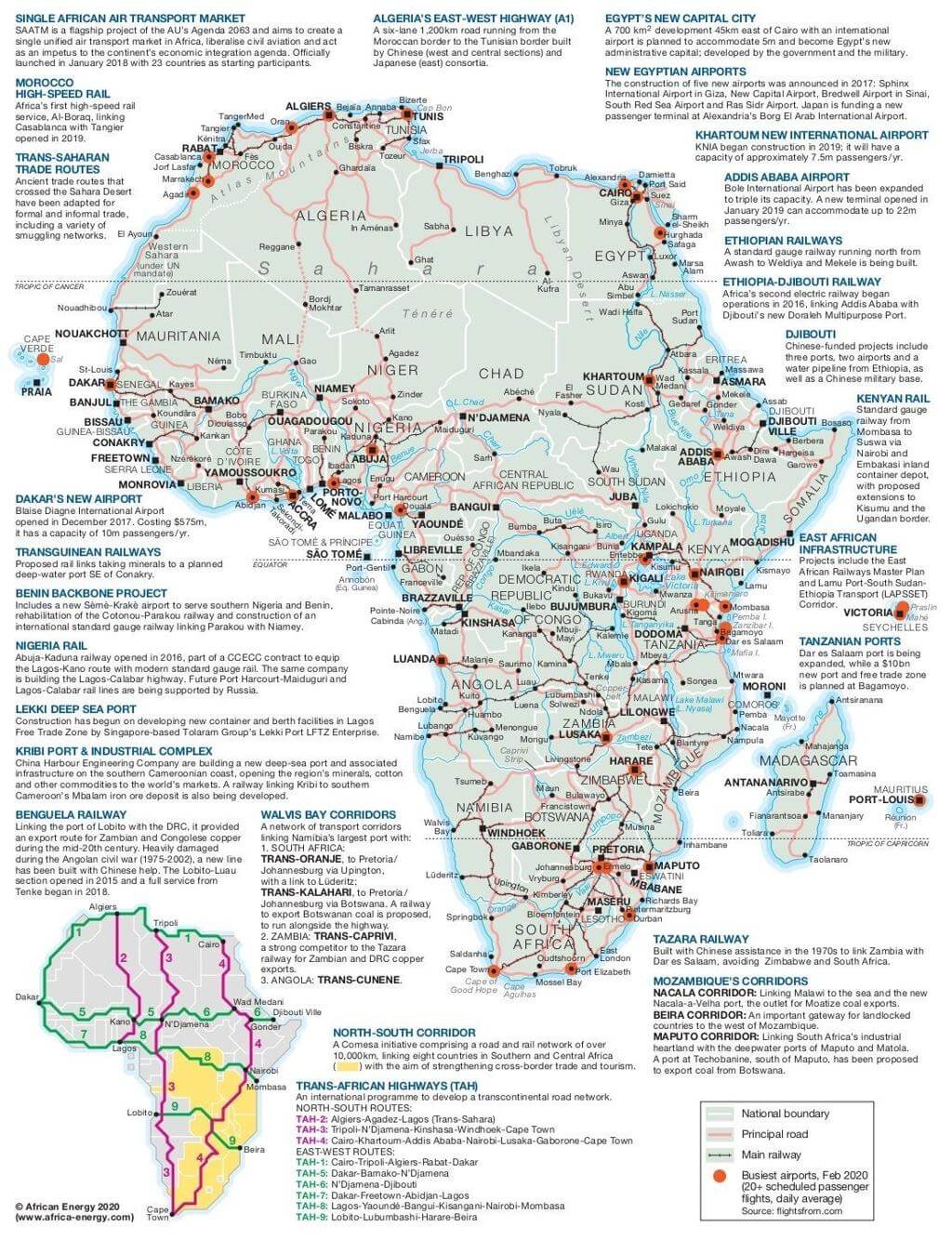
The Capital Architecture
Domestic institutional capital • Development-finance institutions • Commercial banks • Sovereign and public-sector capital • Private investors • Project developers • Financial advisers • Contractors and operators
These participants do not perform the same function. Some provide equity. Others provide debt, guarantees, advisory services or risk capital. Developers originate projects; advisers help structure them; financial institutions assess and allocate capital; governments provide policy and enabling frameworks; contractors and operators turn financed projects into physical and operating assets.
The Shift From Capital to Deployment
The significance of Africa’s capital pools is therefore not measured only by their size. AFC’s infrastructure research points to a growing need for effective intermediation and deployment — moving available capital into projects that have been sufficiently prepared, structured and de-risked.
For commercial intelligence, this creates an important distinction. A project announcement identifies an opportunity. A financing commitment indicates a different level of development. Financial close, procurement activity and construction represent further changes in the project’s commercial position.
TPH Intelligence Point
The capital map is not simply a map of who has money. It is a map of who develops projects, who prepares them, who structures financing, who provides capital and where that capital eventually becomes contracts, procurement and physical infrastructure.
Source: Africa Finance Corporation, State of Africa’s Infrastructure 2026.
The Numbers Behind Africa’s Capital Architecture
Eight figures that put the continent’s capital landscape into perspective
Africa’s capital architecture is larger and more diverse than individual project announcements suggest. Domestic institutional assets, development-finance balance sheets, foreign capital and project-finance transactions all form part of the system through which infrastructure and productive assets are financed.
The Capital Ledger
US$2T+
Africa’s non-bank domestic capital pools.
US$1T+
African pension and insurance assets.
US$530B
African central bank reserves in 2025.
US$19.23B
Africa Finance Corporation total assets at FY2025.
US$5.07B
Africa Finance Corporation total equity at FY2025.
US$19B+
AFC investment across 36 African countries since inception.
48
AFC member countries.
US$4B
Approximate value of AFC Financial Advisory Services transactions in 2025.
Taken together, these figures show that Africa’s financing story is not defined by a single source of capital. Institutional investors, development-finance institutions, governments and private-sector participants occupy different positions within a broader financial architecture.
What the Numbers Tell Us
The scale of available capital is only one part of the equation. The more important commercial question is how capital moves through the system — from institutional balance sheets and financial institutions into projects that have been prepared, structured, financed and ultimately executed.
Source: Africa Finance Corporation, State of Africa’s Infrastructure 2026; Africa Finance Corporation FY2025 Results.
Samaila Zubairu
Financing Africa’s Next Economy
President & CEO, Africa Finance Corporation
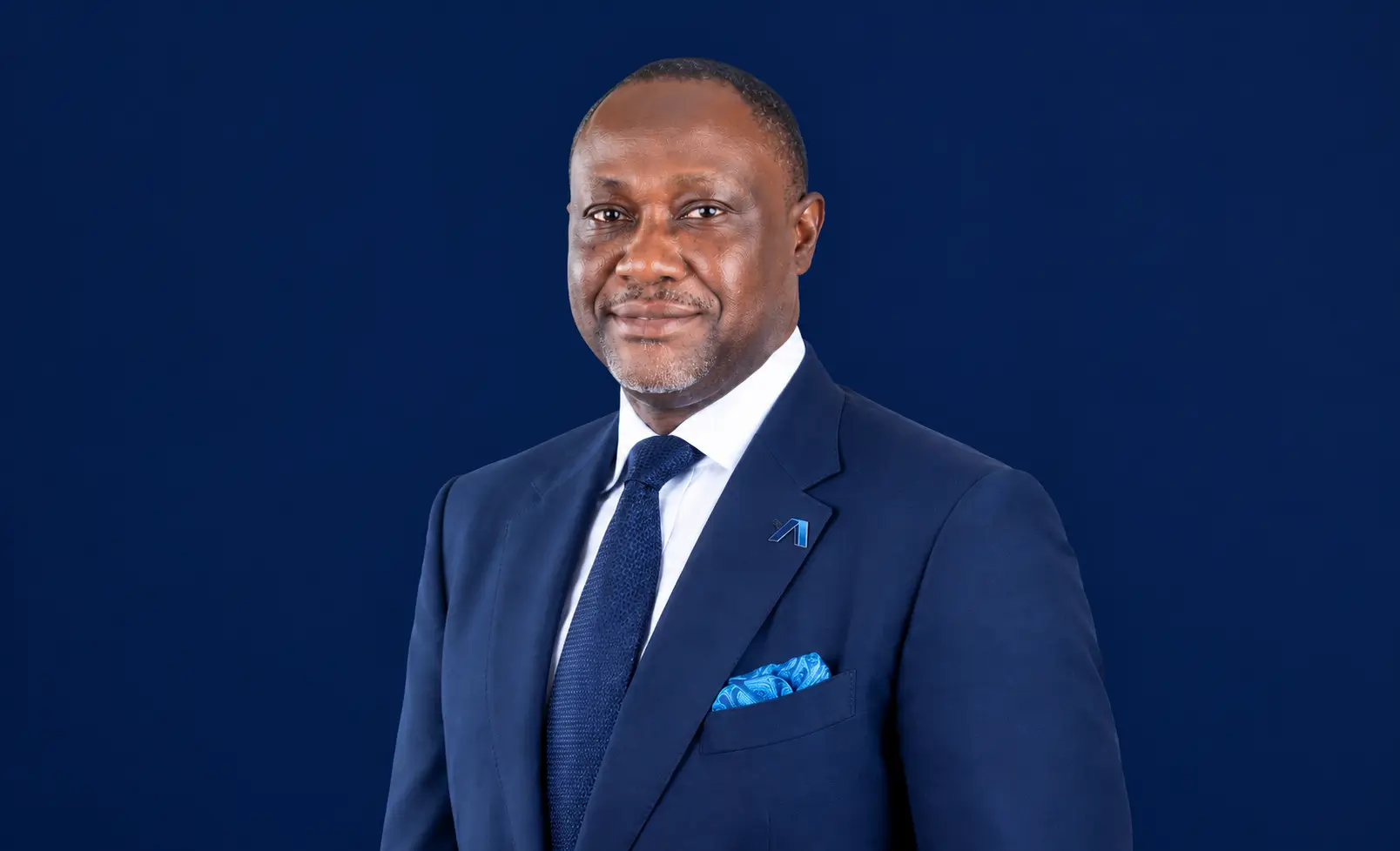
Africa’s infrastructure challenge is increasingly a question of financial architecture. Projects may begin as development plans, but moving from concept to construction requires capital, financial structuring, risk allocation and institutions capable of bringing those elements together.
At the centre of this story is Samaila Zubairu, President and CEO of Africa Finance Corporation (AFC), a multilateral development finance institution established in 2007 to support infrastructure and industrial development across Africa.
Under Zubairu’s leadership, AFC has continued to operate across project development, financial and technical advisory, capital structuring, risk capital and investment. AFC says it has invested more than US$19 billion across 36 African countries since inception and has 48 member countries.
AFC at FY2025
US$19.23 billion in total assets • US$5.07 billion in total equity • Approximately US$4 billion in Financial Advisory Services transactions • US$2 billion Kano–Maradi Railway financial close
A Capital Institution, Not Simply a Financier
AFC’s role extends beyond providing money to projects. Its model brings together project development, advisory and financial structuring with investment and risk capital. That combination allows the institution to participate at different points in the journey from project preparation to financial close and execution.
Its 2025 activity illustrates the scale of that model. AFC reported approximately US$4 billion in Financial Advisory Services transactions, including the US$2 billion Kano–Maradi Railway, described by the corporation as its largest-ever greenfield financial close.
The Intelligence Point
The significance of AFC’s model lies in the connection between project preparation, financial advisory, capital structuring and investment. For the project economy, those connections can determine how an announced development progresses toward an investable and executable asset.
Source: Africa Finance Corporation, FY2025 Results; AFC official corporate information.
The Man Behind the Capital
From corporate finance to African infrastructure
Before becoming President and CEO of Africa Finance Corporation in 2018, Samaila Zubairu had already built a career around corporate finance, infrastructure investment and the structuring of large transactions.
His professional record includes serving as the pioneer Chief Financial Officer of Dangote Cement. AFC’s official biography states that he was involved in the financing of the Obajana Cement project and helped manage the restructuring of Dangote Industries into listed subsidiaries.
The significance of that experience is not simply the size of the companies involved. It placed Zubairu within the financial mechanics through which large industrial projects are prepared, financed, expanded and integrated into wider corporate structures.
Career Milestones
Pioneer CFO, Dangote Cement • Led financing work associated with the Obajana Cement project • Helped manage the restructuring of Dangote Industries into listed subsidiaries • CEO, Africapital Management • Established a joint venture with AIIM to develop the Nigerian Infrastructure Investment Fund 1 • Appointed AFC President & CEO in July 2018
Building the Infrastructure Investment Layer
At Africapital Management, Zubairu continued working at the intersection of capital and infrastructure. AFC’s biography records that he established a joint venture with African Infrastructure Investment Managers to develop the Nigerian Infrastructure Investment Fund 1.
The progression is notable: corporate finance, infrastructure investment and development-finance leadership represent different parts of the same wider capital chain. Each requires an understanding of how projects become financially structured and how investors can participate in them.
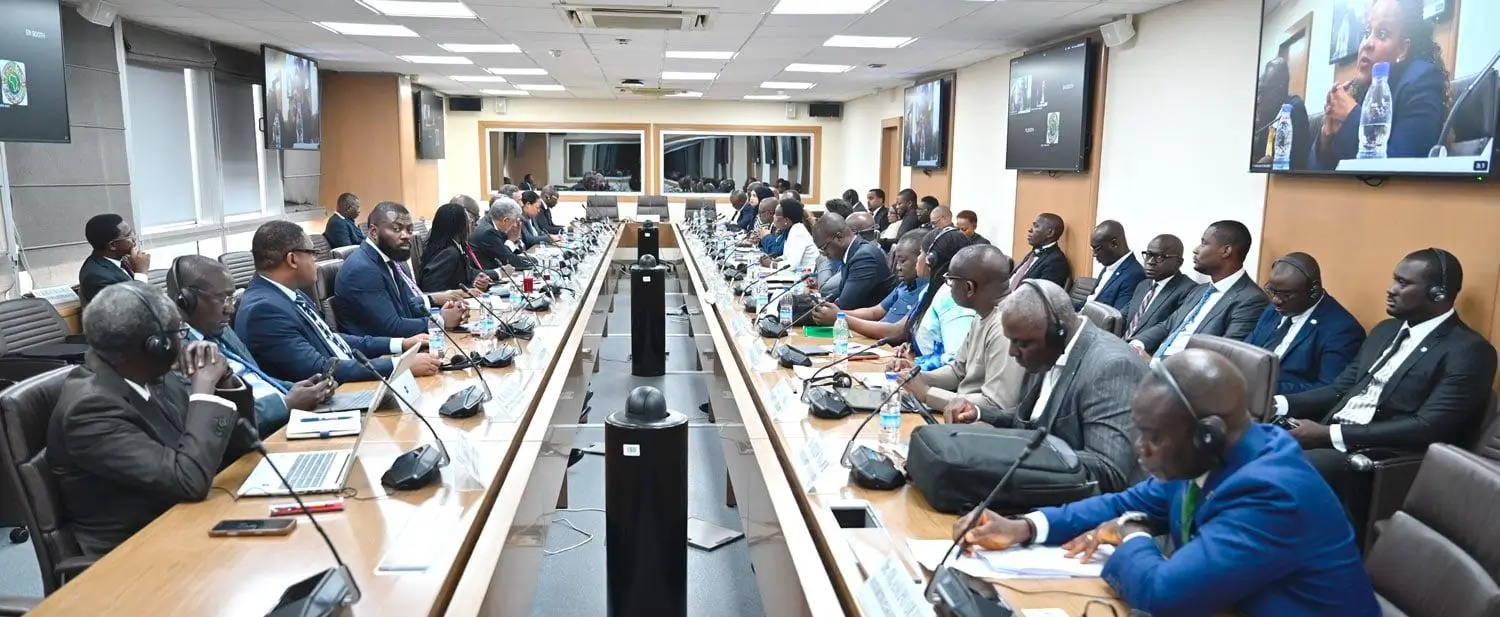
The Commercial Implication
Zubairu’s career illustrates a recurring feature of major infrastructure markets: the people directing capital often move across corporate finance, investment, development and financial institutions. Understanding those institutional connections can be as important as understanding the projects themselves.
Source: Africa Finance Corporation, official biography and appointment announcement for Samaila Zubairu.
The AFC Model
How capital moves from institutions into projects
Infrastructure investment sits at the intersection of project development, advisory and capital.
The Africa Finance Corporation's model is built around more than lending. AFC describes its approach as combining specialist industry expertise with financial and technical advisory, project structuring, project development and risk capital.
That combination matters because major infrastructure transactions often require several financial and technical steps before capital can be deployed at scale. Project preparation, transaction structuring, risk allocation and financing can therefore form part of the same development process.
1. PROJECT DEVELOPMENT
At the early stage, development capital and technical work can help move a project toward bankability. AFC has described its project-development role as helping address the risks that can prevent infrastructure projects from reaching financial close.
2. ADVISORY & STRUCTURING
Financial and technical advisory can then help sponsors, governments and other project stakeholders determine how a transaction should be structured. This can include financing strategy, transaction design, risk management and capital mobilisation.
3. RISK CAPITAL
Where appropriate, AFC can deploy its own capital alongside other sources of finance. Its 2025 transactions included senior debt financing for the Baomahun Gold Project and participation in the capital raise involving ARISE Integrated Industrial Platforms.
4. MOBILISING OTHER CAPITAL
AFC's role can also extend to bringing other financial institutions and investors into transactions. In 2025, its Financial Advisory Services business closed approximately US$4 billion in transactions, including the US$2 billion Kano–Maradi Railway financial close.
THE CAPITAL PATH
PROJECT DEVELOPMENT → ADVISORY → STRUCTURING → RISK CAPITAL → FINANCIAL CLOSE → PROJECT EXECUTION
For Africa's project economy, the significance of this model is the connection between the stages. Capital is not treated as a standalone transaction; it sits within a wider process of preparing, structuring and financing assets capable of reaching execution.
Source: Africa Finance Corporation, FY2025 Results; AFC Financial Advisory Services information.
Five Questions About Financing Africa’s Next Economy
What the African infrastructure capital story tells us about projects, risk and deployment
EDITORIAL NOTE: This is an analytical Q&A based on publicly available information from Africa Finance Corporation and other official sources. It is not an interview with Samaila Zubairu or AFC.
01 — WHAT IS CHANGING ABOUT AFRICA’S CAPITAL STORY?
Africa’s infrastructure financing challenge is increasingly being discussed not only in terms of how much capital exists, but also how effectively that capital can reach investable projects. Africa Finance Corporation’s 2026 infrastructure report notes that non-bank domestic capital pools exceed US$2 trillion, while also pointing to the importance of improving the mechanisms that connect capital with projects.
The distinction is important: capital sitting within pension funds, insurers, financial institutions or development-finance balance sheets does not automatically translate into infrastructure investment. The intervening work of project preparation, structuring, risk allocation and transaction execution remains critical.
02 — WHY DOES PROJECT PREPARATION MATTER?
Large projects can involve complex technical, commercial, regulatory and financial questions before investors can assess them. Preparation helps establish the information, structure and contractual framework needed for financing decisions.
This is one reason institutions such as AFC operate across project development and advisory as well as investment. The financial close is the visible milestone; much of the work required to reach it happens beforehand.
03 — WHERE DOES RISK ENTER THE EQUATION?
Infrastructure projects can expose investors to construction, political, currency, market, operational and counterparty risks. The financing structure therefore has to account for how those risks are allocated among sponsors, lenders, governments and other participants.
THE INTELLIGENCE POINT
A project can have strategic importance and still require substantial financial structuring before it becomes investable. For commercial stakeholders, understanding the financing architecture can therefore be as important as understanding the project itself.
Sources: Africa Finance Corporation, State of Africa’s Infrastructure 2026; Africa Finance Corporation, FY2025 Results.
From Capital Mobilisation to Capital Deployment
Three more questions on where the financing challenge now sits
04 — CAN AFRICAN CAPITAL PLAY A LARGER ROLE?
Yes. Africa Finance Corporation’s 2026 infrastructure report highlights the scale of domestic capital already present on the continent. Non-bank domestic capital pools exceed US$2 trillion, while pension and insurance assets have crossed US$1 trillion.
The commercial question is how more of these pools can be connected to suitable long-term investments. That requires investment structures that can accommodate institutional mandates, risk requirements, liquidity considerations and the long time horizons associated with infrastructure.
05 — WHAT DOES AFC’S RECENT ACTIVITY REVEAL?
AFC’s 2025 results provide several examples of different financing structures operating across the project economy. Its Financial Advisory Services business closed approximately US$4 billion in transactions during the year, including the US$2 billion Kano–Maradi Railway financial close.
Elsewhere, AFC participated in the US$330 million senior debt financing for the Baomahun Gold Project, while its wider financing commitments formed part of a US$430 million development-finance investment package. The transactions demonstrate that capital can enter projects through different instruments and at different stages.
06 — WHERE DOES THE NEXT CHALLENGE SIT?
The evidence points toward deployment. AFC’s infrastructure report argues that Africa’s challenge is increasingly shifting from capital mobilisation toward intermediation and capital deployment. In practical terms, the question is not simply whether money exists, but whether projects, institutions and financing structures can connect efficiently.
TPH VIEW
The financing opportunity is therefore not limited to capital providers. Project developers, advisers, contractors, investors and other commercial participants all operate within the same chain. The ability to understand where a project sits within that chain can reveal its commercial significance before financial close becomes the headline.
Sources: Africa Finance Corporation, State of Africa’s Infrastructure 2026; Africa Finance Corporation, FY2025 Results.
The People Connecting Capital With Opportunity
Why the institutions behind major projects matter as much as the projects themselves
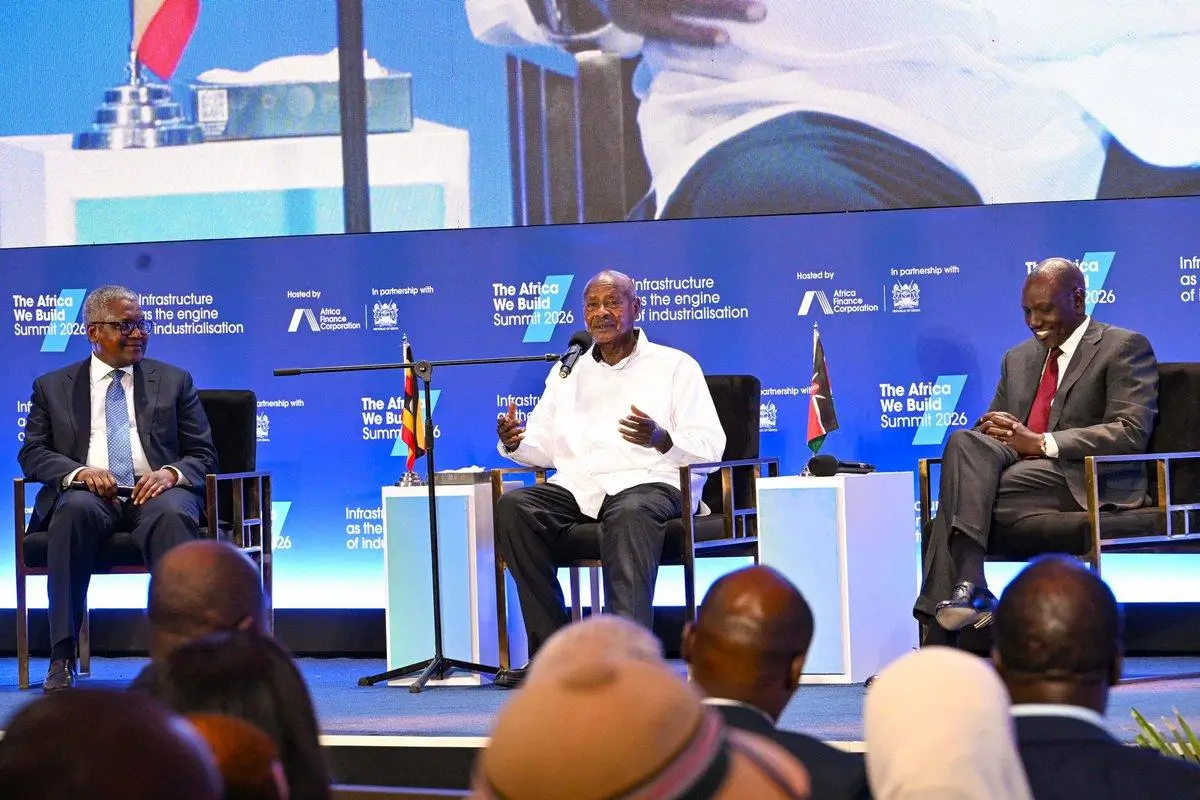
Africa’s infrastructure economy brings together developers, financiers, investors, governments and industrial operators.
The most visible part of a major development is usually the asset itself: a railway, mine, industrial park, power facility, port or processing plant. Behind that asset, however, sits a network of institutions and professionals responsible for getting the project financed, structured and executed.
Africa Finance Corporation is one example of this institutional layer. Its activities span project development, financial and technical advisory, capital structuring and investment. Its 2025 results show how these functions can converge around individual transactions and broader portfolios.
THE CAPITAL NETWORK
DEVELOPERS
Originate and develop projects requiring capital, technical expertise and commercial structuring.
FINANCIAL INSTITUTIONS
Provide debt, equity, guarantees, advisory or other forms of financing.
GOVERNMENTS
Shape the regulatory, policy and infrastructure environment in which projects operate.
CONTRACTORS & OPERATORS
Turn financed projects into physical assets and operating businesses.
THE COMMERCIAL IMPLICATION
For companies watching Africa’s project economy, the relevant intelligence is often found in the connections between these participants: who is developing, who is financing, who is advising, who is contracting and where procurement opportunities emerge as projects advance.
That is the larger lesson behind the capital story. The project may be the headline, but the financial and commercial network around it often determines how the opportunity moves from announcement to execution.
Sources: Africa Finance Corporation, FY2025 Results; Africa Finance Corporation, official corporate information.
The Capital Machine
How money becomes infrastructure
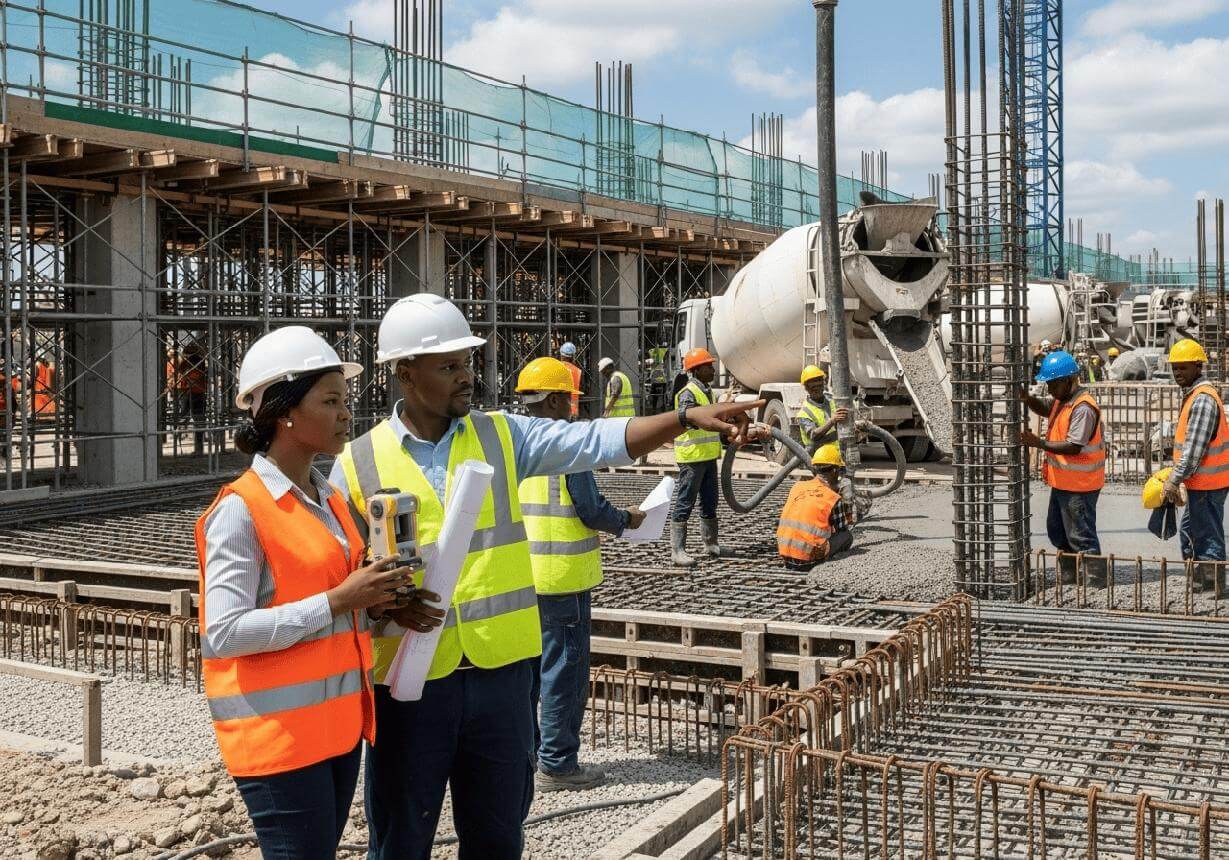
Capital becomes economically visible when financing translates into construction, equipment and operating assets.
A project does not move from an announcement to a functioning asset simply because financing has been identified. Between the two sits a sequence of commercial, financial, technical and contractual decisions.
The capital machine is the system through which those decisions are connected. At one end are investors, lenders and development-finance institutions. At the other are physical projects requiring land, equipment, engineering, construction, operations and supply chains.
THE FIVE-STAGE FLOW
01 · ORIGINATE
A sponsor, government or developer identifies a project or investment opportunity.
02 · PREPARE
Technical, legal, commercial and financial work develops the project case.
03 · STRUCTURE
Financing, risk allocation and contractual arrangements are assembled.
04 · CLOSE
Financing agreements reach financial close and funds can begin to flow under their terms.
05 · EXECUTE
Construction, procurement, commissioning and operations turn finance into physical capacity.
WHY THE MIDDLE MATTERS
The most commercially significant activity may occur between project announcement and construction. This is where feasibility work, transaction advisory, financing negotiations, procurement planning and risk allocation can determine how a project proceeds.
TPH VIEW
For commercial intelligence, tracking only the headline announcement is not enough. The more useful question is what has changed in the project’s capital, financing, procurement or execution position since the announcement.
Source: Africa Finance Corporation, State of Africa’s Infrastructure 2026; Africa Finance Corporation, FY2025 Results.
The Capital Stack
Who pays for the project?
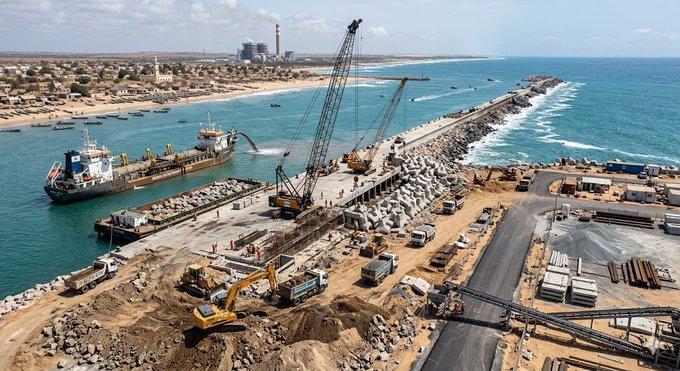
Large projects can draw on multiple forms and sources of capital.
Not every project is financed by a single investor or lender. Major infrastructure and industrial developments can require a combination of equity, debt, development-finance capital and other financial instruments, with each layer carrying different rights, risks and expectations.
The resulting structure is commonly described as the capital stack. Understanding it provides a clearer view of who is exposed to a project, who receives repayment first and where additional capital may be required.
THE BASIC STACK
EQUITY
Sponsor and investor capital that generally takes the highest level of project risk.
MEZZANINE / HYBRID CAPITAL
Financing positioned between conventional debt and equity, depending on its structure.
SENIOR DEBT
Debt that generally ranks ahead of subordinated capital in repayment priority.
WHERE DEVELOPMENT FINANCE FITS
Development-finance institutions can participate at different points in the stack. Their involvement may include senior debt, subordinated or mezzanine instruments, equity, guarantees, advisory work or other forms of risk capital, depending on the transaction.
Recent AFC transactions illustrate this variety. At Baomahun, AFC participated in senior debt financing while also committing gold-streaming and mezzanine capital. The structure demonstrates how different instruments can coexist within the financing of a single project.
THE COMMERCIAL IMPLICATION
The capital stack can reveal where commercial decisions are likely to emerge. Equity determines ownership and risk appetite; lenders focus on repayment and security; project participants must ultimately operate within the financial and contractual structure created by both.
Sources: Africa Finance Corporation, FY2025 Results; Africa Finance Corporation, Baomahun financing announcement, December 2025.
Kano–Maradi Railway
Tracing the capital behind a cross-border rail project
The Kano–Maradi railway forms part of a planned regional transport connection between Nigeria and Niger.
The Kano–Maradi Railway provides a useful case study in how large infrastructure moves through the capital system. In its FY2025 results, Africa Finance Corporation reported approximately US$4 billion in Financial Advisory Services transactions during the year, including a US$2 billion financial close for the Kano–Maradi Railway.
THE PROJECT
The railway is designed to connect Kano in northern Nigeria with Maradi in Niger, creating a cross-border rail corridor. The project has been positioned within a wider effort to improve regional connectivity and trade infrastructure.
THE CAPITAL EVENT
Financial close reported by AFC in its FY2025 results, described as the corporation’s largest-ever greenfield financial close.
The significance of the transaction is not simply the headline value. A financial close marks a point at which the project's financing arrangements have been formally established, moving it beyond earlier development and financing stages.
WHAT TO WATCH
CONSTRUCTION
Progress from financing toward physical delivery.
PROCUREMENT
Contracts and supplier opportunities associated with execution.
CROSS-BORDER EXECUTION
Coordination across two national project environments.
PROJECT STATUS
Future milestones will determine the transition from financial close to delivery.
TPH VIEW
For project intelligence, the key transition is from financing event to execution. The commercial picture becomes clearer as construction, procurement and implementation milestones begin to follow the financial close.
Source: Africa Finance Corporation, FY2025 Results.
Baomahun Gold Project
How a mining project reached financial close
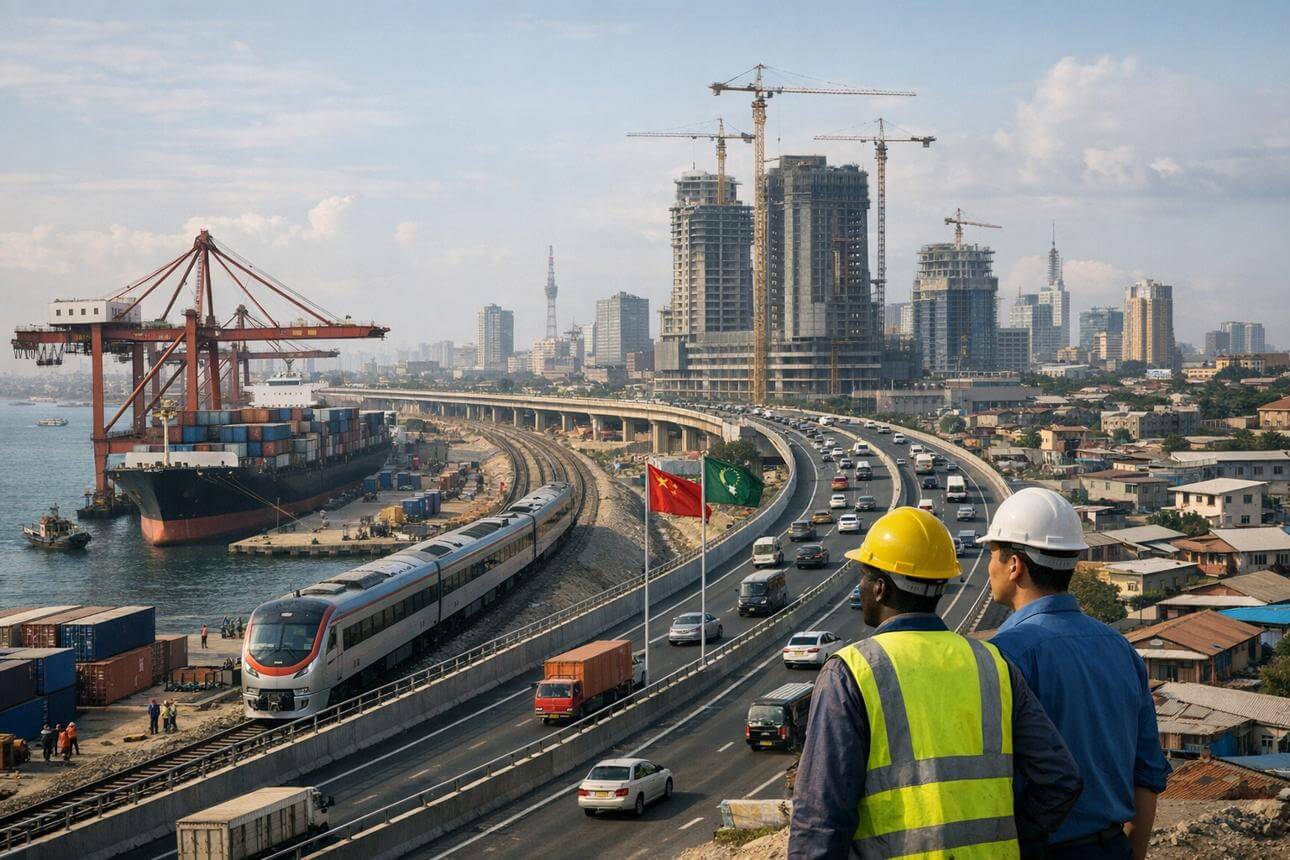
Project development moves from financing structures into physical execution.
Baomahun illustrates another side of the capital stack: financing a major mining development through a combination of senior debt and other development-finance commitments.
Located in Sierra Leone, the Baomahun Gold Project reached financial close in December 2025. According to Africa Finance Corporation, the transaction included US$330 million in senior debt financing, with AFC and Afreximbank among the financing institutions.
THE CAPITAL PACKAGE
WHY THE STRUCTURE MATTERS
The transaction demonstrates that project financing does not have to rely on one instrument. Senior debt can sit alongside other forms of capital, allowing different institutions to participate according to their mandates and risk positions.
For commercial stakeholders, the financing event also marks a change in the project's position. Once financing closes, attention turns increasingly toward construction, procurement, equipment, services and the delivery milestones required to advance the development.
TPH VIEW
Baomahun shows why financial close is an important intelligence milestone. The financing structure provides a clearer indication that a project has moved into a more advanced phase, making subsequent execution and procurement developments particularly relevant to commercial observers.
Source: Africa Finance Corporation, Baomahun financial close announcement, 1 December 2025.
ARISE
A US$700 million capital raise around an industrial platform
Industrial platforms require capital structures capable of supporting multiple projects and operating assets.
ARUSE provides a different view of project capital. Rather than following financing into one individual asset, the transaction centres on an industrial infrastructure platform operating across multiple markets.
In its FY2025 results, Africa Finance Corporation reported a US$700 million capital raise involving ARISE Integrated Industrial Platforms. The transaction brought Vision Invest in as a new shareholder, while AFC partially exited its stake.
THE CAPITAL EVENT
Capital raise involving ARISE Integrated Industrial Platforms, reported by AFC as one of the largest private infrastructure capital raises in Africa to date.
WHY THIS IS DIFFERENT
A project-finance transaction is generally tied to the economics and risks of a particular project. A platform-level capital raise can provide an investor with exposure to a broader operating or development strategy instead.
For infrastructure investors, this distinction matters. Capital can be deployed through individual projects, but it can also be raised at the platform level, where an established business can attract new shareholders and recycle or redeploy capital across its activities.
PLATFORM CAPITAL
Capital raised around a broader industrial infrastructure business.
STRATEGIC INVESTOR
Vision Invest entered as a new shareholder in the reported transaction.
CAPITAL RECYCLING
A partial shareholder exit can create a route for capital to be realised and ownership to evolve.
INDUSTRIAL SCALE
Platform financing can sit above individual projects and assets.
THE COMMERCIAL IMPLICATION
For companies tracking infrastructure markets, platform-level capital raises can be as important as individual project financings. They can signal changes in ownership, investment capacity and the financial base supporting future industrial development.
Source: Africa Finance Corporation, FY2025 Results.
The Lobito Corridor
A financial close built around a strategic transport corridor
The Lobito Corridor links Atlantic infrastructure with mineral-producing regions of Central Africa.
The Lobito Corridor shows how infrastructure capital can extend beyond a single asset. The corridor connects Angola’s Atlantic port infrastructure with the Democratic Republic of the Congo and is strategically associated with access to mineral-producing regions.
In July 2026, Africa Finance Corporation announced a US$753 million financial close for the Lobito Atlantic Railway concession. The financing comprised US$553 million from the U.S. International Development Finance Corporation and US$200 million from the Development Bank of Southern Africa, with AFC acting as co-financial adviser.
THE CAPITAL EVENT
WHY THE CORRIDOR MATTERS
The financing structure brings together U.S. and African development-finance institutions around a transport asset with regional significance. For project-finance observers, it also demonstrates how a corridor can attract capital based on its role within a wider logistics and trade network.
The Lobito transaction is therefore more than a railway financing event. It illustrates the relationship between transport infrastructure, mineral supply chains and cross-border economic activity.
TPH VIEW
Corridor projects should be read as connected commercial systems rather than isolated construction assets. Their significance can extend across logistics, mining, trade and supporting infrastructure, making the financing structure itself an important intelligence signal.
Source: Africa Finance Corporation, “AFC Announces US$753m Financial Close for Lobito Atlantic Railway,” 3 July 2026.
How Development-Finance Institutions Fund the Capital They Deploy
The capital behind the institutions financing Africa’s major projects
Development-finance institutions provide capital, structure transactions and help mobilise financing for projects across Africa.
The capital story does not begin when a development-finance institution finances a project. Behind every major financing commitment is an institution that must itself maintain sufficient capital, liquidity and balance-sheet capacity to take on long-term infrastructure and industrial investments.
This creates a second layer in Africa’s capital architecture: the capital raised by the financiers themselves. Africa Finance Corporation’s 2025 results provide a useful case study of how that institutional layer works.
THE CAPITAL EVENT
FROM CAPITAL RAISE TO PROJECT FINANCE
Institutional capital is not the same thing as project finance. Money raised by a development-finance institution strengthens its own financial position; that position then gives the institution capacity to structure, invest in and lend to projects.
The distinction becomes important when reading large infrastructure transactions. A financial close may involve debt, equity, guarantees, subordinated instruments or other forms of financing. Behind those instruments are institutions whose own capital structures determine how much risk they can absorb and how much additional capital they can mobilise.
<div style="background: #f5f1e8; border-left: 3px solid #7a1f1f; padding: 18px 2
Where Capital Could Matter Next
The sectors where project preparation, financing and execution will remain critical
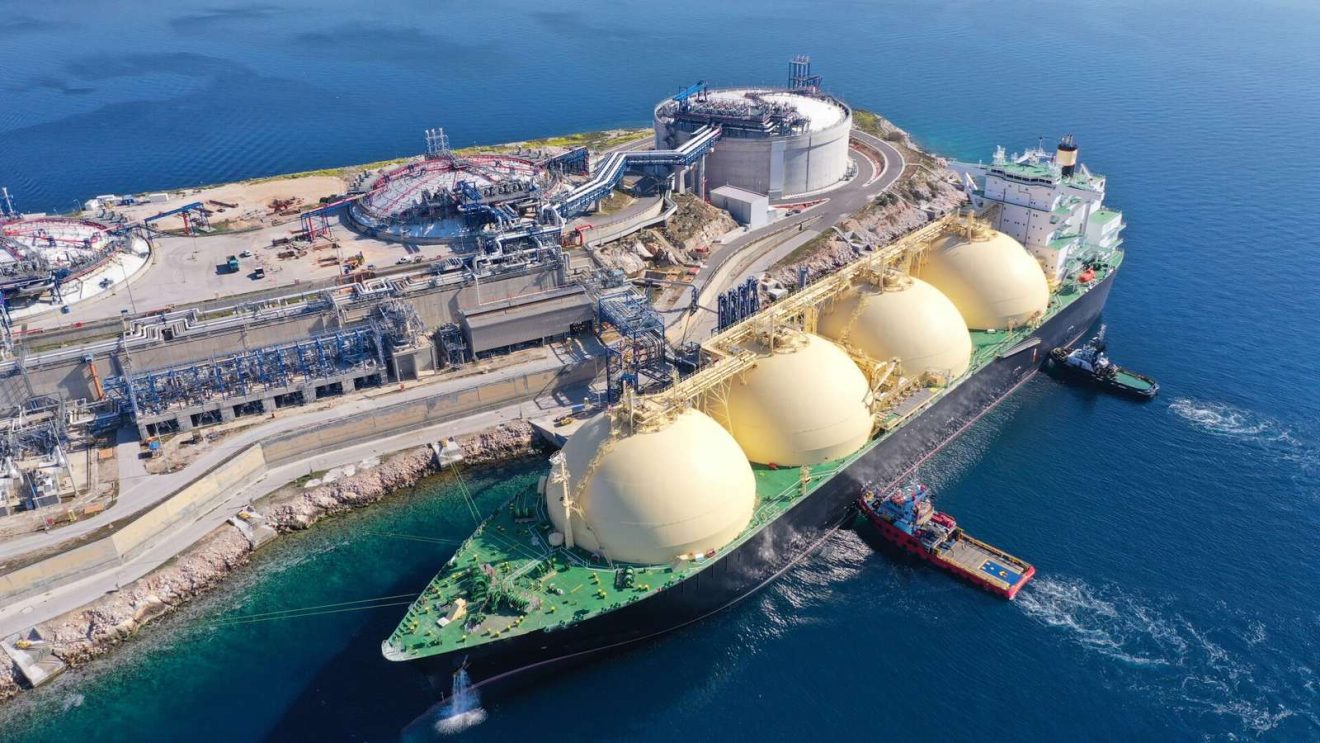
Energy remains one of the major areas where Africa’s infrastructure and industrial ambitions require substantial capital.
Africa’s capital challenge is not confined to one sector. Energy, transport, mining, industrial infrastructure, digital connectivity and agriculture all require different forms of financing, different risk structures and different approaches to project preparation.
The opportunity for capital providers is therefore spread across a range of project types. The more important question is not simply where money is available, but where projects are sufficiently prepared, structured and supported by credible commercial frameworks to absorb that capital.
FOUR CAPITAL FRONTIERS
ENERGY: THE FOUNDATION LAYER
Energy remains fundamental to industrial activity, urban development and digital infrastructure. Capital requirements extend beyond generation assets to transmission networks, gas infrastructure, distribution systems and newer forms of energy infrastructure.
For financiers, the challenge is often structural. Projects must demonstrate credible revenue mechanisms, bankable contracts, appropriate risk allocation and sufficient preparation before large pools of capital can be committed.
TRANSPORT: CAPITAL FOLLOWS CONNECTIVITY
The Kano–Maradi Railway and Lobito Corridor illustrate two different expressions of transport infrastructure: a new cross-border rail connection and the rehabilitation and operation of an existing corridor. Both demonstrate how transport assets can be evaluated within wider trade and logistics systems rather than as standalone construction projects.
INDUSTRIAL & MINING CAPITAL
Mining projects require capital not only for extraction but also for infrastructure, processing, logistics and supporting services. The Baomahun financing demonstrates how development-finance capital can combine different instruments around a major mining project.
Industrial platforms create another capital requirement: financing must often support multiple assets or businesses rather than a single project. The ARISE capital raise is an example of capital being assembled around an industrial infrastructure platform.
TPH VIEW
The next capital frontier should not be understood simply as a list of “hot sectors.” The stronger intelligence signal is where sector demand intersects with prepared projects, credible sponsors, investable structures and institutions capable of absorbing large-scale capital.
Source: Africa Finance Corporation, State of Africa’s Infrastructure 2026; Africa Finance Corporation, FY2025 Results.
The Power Behind the Economy
Why energy remains one of Africa’s most important capital requirements
Energy infrastructure sits at the intersection of industrial growth, transport, manufacturing and digital development.
Energy is one of the clearest examples of how infrastructure capital can influence activity far beyond a single project. Electricity generation, transmission and distribution support industry, transport, housing, digital infrastructure and commercial activity across the economy.
For investors and financiers, however, the energy opportunity is not simply about demand. Each project must answer questions around revenue, tariffs, fuel supply, offtake, regulation, construction risk and the ability of the underlying market to support long-term investment.
THE ENERGY CAPITAL MAP
WHY GENERATION ALONE IS NOT ENOUGH
A new power plant does not operate in isolation. Its commercial performance depends on the wider system around it: fuel supply where applicable, transmission capacity, distribution infrastructure, contractual arrangements and the ability of customers or counterparties to pay for the electricity supplied.
This makes energy financing a systems question. Capital may need to move simultaneously into generation and the infrastructure required to deliver that generation to consumers and businesses.
The Financing Question
Can the project convert energy demand into a sufficiently predictable revenue stream to support long-term capital?
THE ROLE OF GAS INFRASTRUCTURE
Gas infrastructure illustrates another dimension of the capital challenge. Development can require investment across upstream production, processing, transportation and downstream utilisation. Each component introduces its own technical, commercial and financing considerations.
Large gas projects can therefore become multi-layered financing exercises involving developers, lenders, infrastructure investors, governments, offtakers and technical partners. The financing structure must reflect the risks and cash flows across the entire chain.
ENERGY AS AN INDUSTRIAL INPUT
The commercial importance of energy extends beyond the energy sector itself. Reliable and competitively priced power affects manufacturing, mining, data centres, logistics, real estate and other capital-intensive activities.
For project investors, this creates an important analytical connection: energy infrastructure can be both an investable asset and an enabling layer for other projects competing for capital.
TPH VIEW
The energy opportunity should be read as a capital system rather than a generation story. The strongest intelligence signals sit where demand, infrastructure, contracts, regulation and financing come together to create a bankable project.
Source: Africa Finance Corporation, State of Africa’s Infrastructure 2026.
```html id="j8r2wf"
From Resources to Value
Where mining, processing and industrial infrastructure meet capital
Africa’s natural-resource base creates a substantial project-finance landscape, but extracting resources is only one part of the commercial equation. Mines require roads, railways, power, processing facilities, logistics systems and other supporting infrastructure before their economic potential can be fully realised.
This makes mining and industrial development particularly relevant to the capital story. A project can require several layers of financing across extraction, infrastructure and processing, with each layer carrying different risks and commercial requirements.
THE INDUSTRIAL CAPITAL STACK
THE BAOMAHUN LESSON
The Baomahun Gold Project provides a useful example of how this capital architecture can work. In December 2025, the project reached financial close with US$330 million in senior debt financing involving AFC and Afreximbank. Total development-finance investment was approximately US$430 million.
AFC’s involvement included US$100 million in gold streaming and mezzanine commitments, while Afreximbank provided US$75 million. The structure demonstrates that a major mining development can require different forms of capital rather than relying on a single conventional loan.
Capital Signal
The financing structure can reveal as much about a project as the headline investment figure. Different instruments can be used to accommodate different risks, cash-flow profiles and investor requirements.
BEYOND EXTRACTION
The industrial opportunity extends beyond the mine itself. Processing capacity, transport infrastructure, energy supply and manufacturing can create additional investment requirements around resource projects.
For capital providers, this broadens the opportunity set. A resource project can generate demand for contractors, equipment suppliers, logistics operators, engineering services, power infrastructure and other commercial participants.
THE ARISE MODEL
ARISE illustrates a different approach to industrial capital. Rather than financing a single mine or individual infrastructure asset, capital can be organised around a broader industrial platform. In 2025, AFC announced a US$700 million capital raise involving Vision Invest, alongside a partial exit by AFC.
The transaction shows how strategic investors and development-finance institutions can participate at the platform level, creating a capital structure designed around a portfolio of industrial infrastructure and development activities.
TPH VIEW
The commercial opportunity in Africa’s resource economy is not limited to extraction. The deeper capital story lies in the infrastructure, processing and industrial systems required to move resources from the ground into productive economic activity.
Sources: Africa Finance Corporation, FY2025 Results; Africa Finance Corporation and project-finance announcements on the Baomahun Gold Project.
```
Building the Infrastructure Behind Africa’s Next Economies
The capital opportunity is moving into systems that connect data, production and markets
The next layer of Africa’s infrastructure story is increasingly digital and productive. Data centres, fibre networks, digital services, agricultural infrastructure and technology-enabled supply chains are creating new forms of capital demand alongside the continent’s traditional roads, railways, ports and power systems.
These projects may look different from conventional infrastructure, but the underlying commercial questions remain familiar: who is building the asset, who will use it, how will revenue be generated, what risks must be allocated and what financing structure can support development?
THE DIGITAL CAPITAL MAP
THE DATA-CENTRE CAPITAL QUESTION
Data centres demonstrate why digital infrastructure should be assessed as physical infrastructure. They require land, power, cooling systems, connectivity, equipment and significant upfront investment. Their economics are also closely linked to occupancy, customer demand and the reliability of supporting infrastructure.
This creates a connection between the digital and energy capital stories. A data-centre project may depend on reliable power infrastructure just as much as it depends on fibre connectivity and customer demand.
The Infrastructure Connection
Digital infrastructure is dependent on other infrastructure. Power, connectivity, land, buildings and logistics all become part of the investment equation.
AGRICULTURE AS A CAPITAL SYSTEM
Agricultural capital has a similarly broad footprint. Investment opportunities can extend from production and irrigation to storage, processing, logistics, cold-chain infrastructure and technology. The commercial value of these systems depends on their ability to connect production with reliable markets.
This is why agricultural projects can increasingly be viewed through a project-finance lens. The asset is not necessarily the farm alone; it can be the network of infrastructure and commercial relationships that allows agricultural output to move efficiently from producer to processor and ultimately to market.
WHERE CAPITAL MEETS TECHNOLOGY
The digital and agricultural sectors also show how technology can become embedded within traditional infrastructure. Sensors, data systems, automation, digital payments and analytics can change how physical assets are monitored, operated and commercialised.
For investors, this creates a wider project ecosystem in which technology providers, infrastructure developers, financial institutions and commercial operators can participate in different parts of the same value chain.
TPH VIEW
The digital and agricultural frontiers demonstrate that Africa’s capital requirements are becoming more interconnected. The strongest commercial opportunities may sit not only inside individual sectors, but at the points where infrastructure, technology and productive activity meet.
Source: Africa Finance Corporation, State of Africa’s Infrastructure 2026.
Projects Moving Toward Financing, FID, Procurement & Construction
Reading the stages between project announcement and physical execution
Aproject announcement is not the same thing as a financed project. Between the first public announcement and physical construction sit several commercial milestones: development, feasibility, approvals, financing, final investment decision, procurement and financial close.
For commercial intelligence, these stages matter because they provide different signals about how close a project may be to creating actual procurement, financing or contracting opportunities.
THE PROJECT MATURITY LADDER
FINANCIAL CLOSE IS A MAJOR SIGNAL
Financial close represents an important transition because financing arrangements have moved from discussion and structuring toward an executable funding commitment. The Kano–Maradi Railway, for example, reached a US$2 billion financial close in 2025, which AFC described as its largest-ever gr
Ten Developments to Watch
The projects and capital movements giving shape to Africa’s next development cycle
The most useful project watchlist is not simply a list of announcements. It tracks developments where capital, project preparation, financing structures, strategic investors or execution milestones could materially change the commercial picture.
The ten developments below span transport, mining, energy, industrial infrastructure and logistics. Together, they illustrate the different ways capital enters the project economy — from financial close and institutional investment to project development and new infrastructure capacity.
01 — Kano–Maradi Railway
Nigeria / Niger · Transport · Financial Close
The US$2 billion Kano–Maradi Railway reached financial close in 2025 and became AFC’s largest-ever greenfield financial close. The project places cross-border transport infrastructure at the centre of a wider regional connectivity story.
02 — Baomahun Gold Project
Sierra Leone · Mining · Financing Secured
Baomahun reached financial close with US$330 million of senior debt financing led by AFC and co-arranged with Afreximbank and Trafigura. Total DFI investment reached US$430 million, making the project a useful case study in how mining finance can combine debt, streaming and mezzanine capital.
03 — Lobito Corridor Railway
Angola · DRC · Transport · Financial Close
The 1,300-kilometre brownfield rail corridor reached a US$753 million financial close in July 2026. The financing included US$553 million from the U.S. International Development Finance Corporation and US$200 million from the Development Bank of Southern Africa.
04 — ARISE Capital Raise
Africa · Industrial Infrastructure · Capital Raise
ARISE completed a US$700 million capital raise in which Vision Invest became its newest shareholder. AFC described the transaction as one of the largest private infrastructure capital raises in Africa to date, highlighting the role of strategic equity in scaling infrastructure platforms.
05 — Coral North FLNG
Mozambique · LNG · Development
Coral North is designed as a 3.55 million tonnes-per-year floating LNG development offshore Cabo Delgado. The African Development Bank’s project summary says first LNG cargo is expected in Q3 2028, making execution, construction and financing milestones important signals to follow.
06 — Gotion Power Morocco EV Cell Factory
Morocco · Manufacturing · Project Development
The Gotion Power Morocco project is structured around a 10 GWh electric-vehicle battery cell factory. Its development is significant for the movement of African capital beyond raw materials and toward industrial processing and manufacturing capacity.
07 — Aysha Wind Project
Ethiopia · Renewable Energy · Development
The 300 MW Aysha Wind Project is part of Ethiopia’s expanding renewable-energy infrastructure pipeline. Its progression is worth monitoring for the financing, contracting and execution signals that determine how large-scale renewable capacity moves from development into delivery.
08 — Dandara Solar + Battery Project
Egypt · Renewable Energy · 500 MW + Storage
The Dandara project combines a 500 MWac solar photovoltaic plant with a 100 MWh battery-energy-storage system. The structure illustrates the growing importance of pairing generation assets with storage when building investable power infrastructure.
09 — Port of Luanda Unicargas Terminal Modernisation
Angola · Logistics · Modernisation
The Port of Luanda’s Unicargas terminal modernisation is among the infrastructure projects approved by the African Development Bank in 2026. Port capacity and efficiency remain commercially important because transport infrastructure determines how goods move between production centres, markets and regional corridors.
10 — Côte d’Ivoire HDS Project
Côte d’Ivoire · Refining · Project Development
The Hydrodesulfurization project at Société Ivoirienne de Raffinage is designed to upgrade refining infrastructure. Its appearance in the African Development Bank’s September 2026 project pipeline makes it a development to watch as refining capacity, product quality and downstream infrastructure remain important commercial themes.
TPH VIEW
The commercial value of a project watchlist is not the announcement itself. It is the movement between stages. Financial close, new equity, project approval, construction contracts, procurement notices and commissioning milestones each reduce a different layer of uncertainty. For investors, contractors, suppliers and professional service firms, those changes can be more useful than the original headline.
Sources: Africa Finance Corporation FY2025 Results; AFC Lobito Corridor financial close announcement, 3 July 2026; African Development Bank project summary notes and project pipeline, 2026. Project stages and descriptions reflect information available from the cited institutional sources.
The Companies Behind the Projects
The corporate layer connecting capital, development and execution
Behind every major project is a corporate network. Developers originate opportunities. Engineering and construction companies execute physical works. Financial institutions structure and provide capital. Operators manage assets once they are delivered. Suppliers provide the equipment, materials and services that keep the project moving.
Understanding that network changes how a project is read. A project announcement may name one sponsor, but the commercial opportunity can extend across dozens of companies and several layers of the value chain.
THE DEVELOPER
The developer or project sponsor sits close to the beginning of the commercial chain. It identifies the opportunity, develops the project concept, assembles partners and works toward the approvals and financing required for execution.
THE CAPITAL PROVIDERS
Banks, development-finance institutions, private investors, institutional investors and strategic shareholders can occupy different positions in the capital structure. Their participation may take the form of senior debt, equity, mezzanine finance, guarantees, project preparation support or other structured instruments.
THE EXECUTORS
Contractors, engineering firms, equipment providers and specialist consultants convert project plans into physical and operational assets. Their involvement usually becomes more visible as projects approach procurement, construction and commissioning.
THE OPERATORS
Once an asset is completed, operators become central to the economics of the project. Ports, railways, mines, power plants, industrial facilities and other infrastructure require organisations capable of running the asset and converting capacity into revenue or economic output.
A CORPORATE MAP OF THE PROJECT
01 — Sponsor
Originates and develops the project.
02 — Capital
Provides the financing structure.
03 — Contractors
Deliver construction and technical works.
04 — Suppliers
Provide materials, equipment and specialist services.
05 — Operator
Runs the completed asset.
06 — Market
Provides the demand that supports the project economics.
THE COMMERCIAL IMPLICATION
The project economy is larger than the project owner. Every movement in project stage can activate a different group of companies. Financing can create demand for legal, financial and advisory services; financial close can precede procurement; procurement can create opportunities for contractors and suppliers; construction creates demand for equipment and materials; operations create a longer-term market for maintenance and specialist services.
Source: The Project Herald Intelligence Framework. Commercial relationships described on this page are analytical categories used to read project ecosystems and are not intended to identify specific contractual relationships unless separately reported.
Where Projects Become Contracts
The commercial layer connecting project capital to contractors, suppliers and service providers
A project can be financed without a contractor having received a contract. It can also have an identified contractor while significant procurement packages remain to be awarded. Between project financing and physical execution sits another important layer: procurement.
This is where project requirements are translated into packages for engineering, construction, equipment, materials, logistics and specialist services. For companies seeking project opportunities, understanding this layer can be as important as knowing who owns the project.
THE PROCUREMENT CHAIN
01 — Scope
The project requirement is defined and broken into deliverables.
02 — Package
Work, equipment or services are organised into procurement packages.
03 — Tender
Qualified companies may be invited to submit bids or proposals.
04 — Award
The selected supplier, contractor or service provider receives the award.
FINANCIAL CLOSE IS NOT THE END OF THE STORY
Financial close is a major project milestone, but it does not mean every commercial package has already been awarded. Depending on the project structure, procurement may continue through different stages of financing and construction.
That distinction matters to businesses monitoring opportunities. A project that has secured financing may have moved into a different commercial phase, with greater visibility around execution but potentially many procurement decisions still ahead.
THE OPPORTUNITY MAP
A single infrastructure project can generate multiple procurement categories: civil works, structural materials, mechanical equipment, electrical systems, transport and logistics, engineering services, security, technology, maintenance and professional services. The relevant opportunity depends on the project stage and the packages being released.
WHAT TO WATCH
Pre-Tender
Early signals around scope, qualification and upcoming packages.
Open Tender
Formal procurement opportunities available for eligible bidders.
Contract Award
A signal that a particular package has moved beyond tendering.
Supplier Demand
Secondary demand can emerge around awarded construction and infrastructure packages.
TPH VIEW
Procurement is where project intelligence becomes directly commercial. Knowing that a project exists is useful. Knowing who is developing it, how it is financed, what stage it has reached, which packages are likely to be procured and whether a tender has opened provides a much clearer picture of where an actual business opportunity may exist.
Source: The Project Herald Intelligence Framework. Procurement stages and terminology may vary by project, sponsor, jurisdiction and contracting structure.
```html id="p26policy"
The Rules That Determine Where Capital Can Move
Why regulation, public policy and institutional frameworks matter to project economics
Capital does not move into projects in isolation. It moves within rules. Governments determine licensing frameworks, fiscal regimes, ownership requirements, tariffs, environmental standards, land rules, procurement systems and other conditions that can influence whether a project is investable.
For investors and developers, policy is therefore part of project preparation. A technically viable project can still face uncertainty if the regulatory or commercial framework required for implementation is incomplete or changing.
THE POLICY-TO-CAPITAL CHAIN
01 — Policy
Sets the rules and strategic direction.
02 — Regulation
Defines what projects can legally and commercially do.
03 — Bankability
Creates conditions under which investors and lenders can assess risk.
04 — Capital
Financing can then be structured around the project.
ENERGY: POLICY CAN SHAPE REVENUE
Power projects illustrate the connection clearly. Tariff structures, power-purchase arrangements, market rules and regulatory approvals can influence the revenue assumptions used to assess a project. The policy environment can therefore affect the financing structure as well as the eventual economics of the asset.
MINING: POLICY CAN SHAPE INVESTMENT RISK
Mining projects operate within licensing, taxation, environmental and local-participation frameworks. These conditions influence how developers assess the cost, timing and risks associated with moving a mineral resource toward production.
INFRASTRUCTURE: POLICY CAN SHAPE THE DEAL
Transport and infrastructure projects can depend on concessions, public-private partnership frameworks, government guarantees, land access, cross-border agreements and procurement rules. For large projects, these are not peripheral considerations. They can form part of the structure that allows financing to proceed.
THE POLICY SIGNAL
A policy announcement is not automatically a project opportunity. The stronger signal is the point at which policy becomes an implementable framework — supported by regulations, institutions, approvals, commercial terms and identifiable projects.
WHAT PROJECT INTELLIGENCE SHOULD WATCH
Regulatory Change
New rules can create, accelerate or constrain project activity.
Public Investment
Budgetary commitments can influence infrastructure pipelines.
Procurement Rules
They determine how projects move from plans into contracts.
Cross-Border Frameworks
Regional projects depend on coordination between jurisdictions.
TPH VIEW
The policy layer is often where project intelligence begins before a project is publicly visible. Changes in regulation, public investment priorities, procurement frameworks and sector rules can alter the pipeline that eventually reaches developers, financiers, contractors and suppliers. Reading those changes early does not guarantee an opportunity — but it can provide context for understanding where project activity may develop.
Source: The Project Herald Intelligence Framework. Policy-to-capital relationships described on this page are analytical observations and should be assessed against the applicable laws, regulations and project documents in each market.
```
The Issue in Numbers
The figures that define the capital architecture examined in this issue
The numbers behind Africa’s project economy tell a story larger than individual transactions. They show the scale of available capital, the institutions mobilising it and the size of the projects competing for financing.
This issue has followed that capital from institutional balance sheets to project finance, financial close, infrastructure development and the commercial opportunities that emerge around execution.
US$2T+
Africa’s non-bank domestic capital pools
US$1T+
Domestic pension and insurance assets
US$530B
African central-bank reserves in 2025
US$4T+
Broader African capital pools identified by AFC
US$19.23B
AFC total assets at FY2025
US$5.07B
AFC total equity at FY2025
THE AFC NUMBERS
48 — AFC member states
36 — African countries in which AFC says it has invested since inception
US$19B+ — AFC investment across Africa since inception
US$4B — Approximate Financial Advisory Services transactions in 2025
THE TRANSACTIONS
US$2B
Kano–Maradi Railway financial close
US$330M
Baomahun senior debt financing
US$753M
Lobito Corridor financial close
US$700M
ARISE capital raise
THE NUMBER THAT MATTERS
Scale alone does not determine whether capital reaches a project. The more important question is how effectively capital can be converted into financeable, executable projects. AFC’s 2026 infrastructure report identifies this as an increasing challenge: moving from capital mobilisation toward effective intermediation and deployment.
TPH VIEW
The capital story is not simply about how much money exists. It is about where that money sits, who can mobilise it, how projects are structured, when financing reaches close and what happens after the money is committed. That is the difference between a capital pool and a functioning project pipeline.
Sources: Africa Finance Corporation, State of Africa’s Infrastructure 2026; AFC FY2025 Results; AFC project and financing announcements. Figures refer to the periods and definitions stated by the respective sources.
The Developments, Capital Movements & Opportunities to Watch
The signals that could reshape Africa’s project economy beyond this issue
The capital story does not end at financial close. Once financing is secured, attention shifts toward procurement, construction, commissioning and the operating economics of the completed asset. At the same time, new projects are entering the pipeline and competing for the same pools of capital.
For businesses following Africa’s commercial project economy, the next signal is therefore rarely just another announcement. It is a measurable change in project maturity, capital structure, procurement activity or execution.
01 — CAPITAL DEPLOYMENT
Africa’s domestic and institutional capital pools remain an important part of the financing conversation. The question increasingly moves from the availability of capital toward the ability to structure and deploy it into projects that can absorb long-term financing.
02 — PROJECT PREPARATION
More capital does not automatically create more investable projects. Feasibility work, technical studies, environmental and social assessments, approvals, commercial structures and credible sponsors remain important steps between an idea and a financeable asset.
03 — FINANCIAL CLOSE
The Kano–Maradi Railway, Baomahun and Lobito Corridor demonstrate the importance of financial close as a project milestone. Each transaction also illustrates a different financing architecture, showing why the composition of capital can matter as much as the headline value.
US$2B
Kano–Maradi Railway financial close
US$753M
Lobito Corridor financial close
US$330M
Baomahun senior debt financing
US$700M
ARISE capital raise
04 — PROCUREMENT
As projects move toward construction, procurement becomes an increasingly important commercial signal. Tender notices, prequalification exercises, contractor appointments and equipment requirements can reveal where project spending is beginning to translate into contracts.
05 — EXECUTION
Groundbreaking, construction progress, equipment delivery and commissioning provide evidence that capital is moving beyond financial structure and into physical execution. For project intelligence, these milestones help distinguish an active development from a project that remains largely conceptual.
THE NEXT SIGNAL
Watch the movement between stages: capital raised → financing structured → financial close → procurement → construction → commissioning. Each transition changes the commercial picture and can activate a different group of participants.
THE OPPORTUNITIES TO WATCH
Infrastructure
Rail, ports, roads, logistics and urban infrastructure.
Energy
Generation, transmission, distribution and supporting infrastructure.
Industry & Mining
Extraction, processing, industrial parks and value-chain infrastructure.
Digital & Productive Infrastructure
Data centres, connectivity, agricultural systems and other enabling infrastructure.
TPH VIEW
The next phase of Africa’s project economy will be easier to understand when projects are read as moving systems rather than isolated headlines. Capital, policy, procurement and execution are connected. The strongest intelligence follows those connections and identifies the milestones that change what can happen next.
Sources: Africa Finance Corporation, State of Africa’s Infrastructure 2026; AFC FY2025 Results; AFC project and financing announcements. Analytical observations are identified as TPH View.
Reading Africa Through Projects, Capital & Commercial Movement
The signals that sit between the headlines
Africa’s commercial landscape is rarely defined by a single announcement. A project, financing decision, procurement exercise, policy change or corporate transaction can be one part of a much larger chain of activity.
The intelligence value lies in connecting those movements. A project announcement becomes more meaningful when its sponsor is known. A financing announcement becomes more significant when the project reaches financial close. A tender becomes more useful when its underlying project, funding and execution stage are understood.
THE INTELLIGENCE CHAIN
PROJECT
What is being developed, where and by whom?
CAPITAL
Who is financing it and what form does that capital take?
PROCUREMENT
What packages, contracts or supplier requirements could emerge?
POLICY
What rules or government decisions influence the commercial environment?
READ THE STAGE, NOT JUST THE HEADLINE
A project can exist at several very different levels of maturity. Announcement, feasibility, approvals, financing, financial close, procurement, construction and commissioning are not interchangeable signals.
For commercial intelligence, the question is therefore not simply “Is this project happening?” It is “What has actually changed, and what does that change make possible?”
THE FIVE SIGNALS
01 — New capital committed
02 — Financing reaches close
03 — Procurement begins
04 — Construction advances
05 — Asset moves toward operation
FROM INFORMATION TO INTELLIGENCE
INFORMATION
A project has been announced.
CONTEXT
The sponsor, sector, location and stage are identified.
INTELLIGENCE
The capital, procurement and commercial implications are understood.
OPPORTUNITY
Businesses can identify where they may fit into the project ecosystem.
THE PROJECT HERALD APPROACH
The Project Herald's commercial intelligence model connects four layers: projects, capital, procurement and policy. The objective is not simply to report that something has happened, but to understand the system around it — who is involved, what stage has been reached, what capital is moving and where commercial activity could follow.
TPH VIEW
The strongest commercial intelligence is rarely the loudest headline. It is the connection between events: a policy decision that enables a project, a financing structure that makes it bankable, a financial close that supports execution, and a procurement process that creates contracts. Reading those connections is how a project pipeline becomes an intelligence ledger.
Source: The Project Herald Intelligence Framework. Analytical observations are identified as TPH View.
Before the Opportunity Becomes Obvious
Reading the signals before projects, capital and commercial opportunity become headlines
Africa’s development story is often presented through completed projects: a railway opened, a mine commissioned, a power plant connected or an industrial facility brought into operation.
But the commercial story begins much earlier.
It begins when a project is conceived, when capital is committed, when financing is structured, when a financial close is reached, when procurement packages emerge and when construction activity begins to turn plans into physical assets.
The Signal Is in the Movement
The central lesson of this issue is simple: a project is not a single event. It is a sequence of commercial movements.
The Commercial Reading
The most useful question is therefore not simply, “What project was announced?” It is, “What has changed around the project?”
A financing commitment can change the outlook for a project. A financial close can move it closer to execution. A procurement notice can create a direct commercial opportunity. A policy change can alter the economics of an entire sector.
Commercial intelligence begins where the headline ends. The opportunity is often found in the connection between a project, its capital, its procurement requirements and the policy environment around it.
That is the lens behind The Project Herald: following the movement of projects, capital, products and policy to understand what is changing, what is becoming actionable and where the next commercial signal may emerge.
Before the opportunity becomes obvious, the signals are already moving.
Independent Intelligence on Projects, Capital, Products & Policy
The Project Herald Review · The Capital Issue