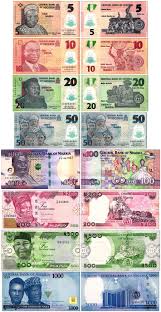
In 2026, Nigeria has recorded periods of improved foreign exchange stability compared to previous years, with the naira showing less volatility in official and parallel market trends. Policymakers have pointed to tighter monetary measures, improved dollar inflows, and reduced speculative pressure as key drivers of this relative stability.
Despite these developments, prices of goods and services across markets have remained stubbornly high. Many consumers expected that a more stable naira would translate into lower food prices, transport costs, and general relief in the cost of living, but that outcome has not materialised in most urban and rural areas.
Delayed Price Adjustments in the Market
One of the main reasons for this gap is the way pricing works in practice. During periods of FX instability, businesses raised prices to match high import costs and protect themselves from losses. Even when exchange rates improve, those prices rarely come down quickly.
Instead, traders and suppliers often maintain higher pricing levels to recover past costs, manage uncertainty, and protect future margins.
Fuel and Transport Costs Keep Pressure High
Even with a more stable naira, Nigeria’s high energy and logistics costs continue to influence final prices. Fuel prices remain a major driver of inflation, affecting transportation of goods from ports to wholesalers and then to retail markets.
This means that even when imported goods become slightly cheaper due to FX improvements, distribution costs still keep overall prices elevated.
Import Dependence and Production Constraints
Nigeria’s heavy reliance on imported raw materials also slows down the impact of FX stability. Many manufacturers still depend on foreign inputs for production, meaning cost structures remain partially tied to dollar pricing.
As a result, improvements in exchange rates do not fully translate into lower production costs or cheaper finished goods.
Inflation Expectations and Pricing Behaviour
Another factor is how businesses anticipate future conditions. Many firms now set prices cautiously, building in buffers against possible FX shocks, fuel hikes, or supply disruptions.
This creates “sticky prices,” where reductions are slow even when economic indicators improve.
Weak Transmission to Consumers
Economists also note that in some sectors, limited competition reduces the pressure to pass cost savings directly to consumers. Where alternatives are few, price adjustments tend to lag behind changes in macroeconomic conditions.
Conclusion: Stability Without Relief
While Nigeria’s FX environment may appear more stable on paper, the effect on everyday living costs remains limited. The gap between macroeconomic improvement and household experience continues to widen, raising broader questions about how quickly currency stability can translate into real price relief in the Nigerian economy.
Related News: https://www.theprojectherald.com/nigeria-cost-of-living-what-10000-buys-in-2026/