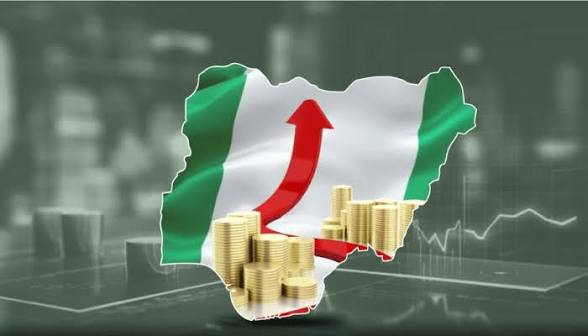
As Nigeria enters the second half of 2026, the economy presents a mixed picture. On one hand, key macroeconomic indicators show signs of improvement. The naira has become more stable, inflation has moderated from previous highs, and foreign reserves remain stronger than they were during the peak of the economic crisis. On the other hand, millions of Nigerians continue to grapple with high living costs, expensive transportation, and reduced purchasing power.
The contrast between improving economic statistics and the realities facing households has created clear winners and losers in Nigeria’s economy so far this year.
The Winners: Investors and Financial Markets
One of the biggest beneficiaries of Nigeria’s economic reforms has been the investment community. Greater exchange-rate stability and improved investor confidence have supported activity in financial markets, while economic reforms have strengthened perceptions of long-term stability.
Businesses that rely heavily on imported inputs have also benefited from a more predictable foreign exchange environment. The sharp currency swings that complicated planning in previous years have eased considerably, allowing companies to forecast costs with greater confidence.
The Winners: Technology and Service Industries
Nigeria’s services sector continues to outperform many traditional industries. Telecommunications, financial services, and digital businesses have remained among the strongest areas of growth, helping to drive economic expansion despite broader challenges.
The growing role of technology in payments, commerce, and communications has created opportunities for startups, fintech firms, and digital service providers that are less exposed to some of the structural challenges affecting manufacturing and agriculture.
The Losers: Consumers Facing High Living Costs
Despite signs of macroeconomic improvement, ordinary consumers remain under pressure.
Food prices, transportation costs, rent, and utilities continue to absorb a larger share of household income than they did a few years ago. While inflation has slowed compared to previous peaks, prices remain significantly higher than before, meaning many families are yet to feel meaningful relief.
The result is that many households continue to adjust spending habits, reduce discretionary purchases, and seek cheaper alternatives for everyday needs.
The Losers: Small Businesses Battling High Costs
Small and medium-sized enterprises remain among the most vulnerable groups in the economy.
Business owners continue to face elevated costs for electricity, transportation, raw materials, and financing. High interest rates, introduced to combat inflation, have also made borrowing more expensive for entrepreneurs seeking to expand operations.
Many small businesses report that while exchange-rate conditions have improved, overall operating expenses remain substantially higher than they were before the reform period.
Agriculture and Manufacturing: Progress, But Challenges Remain
Agriculture and manufacturing continue to face structural constraints despite broader economic improvements.
Security concerns in some farming regions, infrastructure gaps, logistics costs, and energy challenges have limited the pace of recovery in both sectors. Analysts note that growth remains uneven, with services outperforming industries that depend heavily on physical infrastructure and supply chains.
These sectors remain crucial because they directly influence food production, employment, and domestic manufacturing capacity.
What the Numbers Say About the Second Half of 2026
Economic forecasts remain broadly positive. Several institutions expect Nigeria’s economy to expand by more than 4 percent in 2026, supported by stronger oil production, improved foreign exchange conditions, and growth in non-oil sectors.
However, risks remain. Global oil market uncertainty, geopolitical tensions, fiscal pressures, and persistent affordability challenges could slow progress if not carefully managed.
Conclusion: An Economy Recovering Unevenly
At the halfway point of 2026, Nigeria’s economy appears stronger on paper than it did a year ago. The naira is more stable, inflation has moderated, and investor confidence has improved. Yet the benefits of those gains have not been evenly distributed.
Investors, financial markets, and parts of the service sector are seeing clear advantages from the changing economic environment. Meanwhile, households and many small businesses continue to face the daily reality of high prices and rising costs.
The second half of the year may determine whether Nigeria’s economic recovery becomes broad-based enough for ordinary citizens to feel the improvements reflected in the country’s economic indicators.
In another news: https://www.theprojectherald.com/creative-economy-reforms-earn-industry-support/