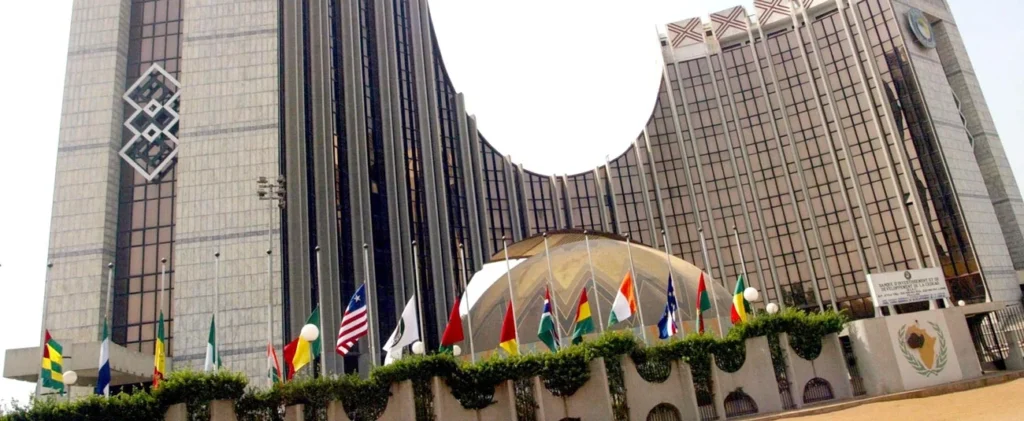
The African Development Bank Group has approved a $100 million support package for the ECOWAS Bank for Investment and Development (EBID), aimed at strengthening the regional development bank’s financial capacity and expanding its ability to support economic and financial integration across West Africa.
The package comprises a $30 million equity investment in EBID and a $70 million credit line. According to the African Development Bank (AfDB), the credit line has a 15-year maturity, including a two-year grace period, and is expected to primarily support the financing of new clean-energy projects across the West African region.
The financing is designed to reinforce EBID’s capacity as a regional development finance institution and enable it to mobilise and deploy additional long-term capital in support of projects aligned with the development priorities of the Economic Community of West African States (ECOWAS).
Financing Capacity and Clean-Energy Investment
The $30 million equity investment will strengthen EBID’s capital base, while the $70 million credit line will provide additional financing capacity for development projects. Together, the two components are intended to support EBID’s role in financing development and regional integration across West Africa.
The clean-energy focus of the credit facility is particularly significant as countries across the region continue to seek investment to expand energy access and develop more sustainable power infrastructure. The facility is expected to support the financing of new clean-energy projects, potentially creating additional opportunities for projects requiring long-term capital.
The AfDB announced the approval of the support package on June 18, 2026. A detailed Project Summary Note published by the Bank on July 16, 2026, identified the operation as “Strengthening EBID’s Financial Capacity in Support of ECOWAS Agenda for Greater Economic and Financial Integration.”
The financing represents a significant capital injection into a regional development finance institution and could strengthen EBID’s ability to participate in the financing of projects across West Africa. Its impact will ultimately depend on how the financing is deployed and the projects that emerge from the expanded lending capacity.
The Project Herald will continue to monitor the implementation of the financing package, including subsequent developments around the credit line, capital deployment and the clean-energy projects that may be financed through the facility.
Catch up: https://www.theprojectherald.com/african-banks-debt-guarantees-infrastructure-capital/