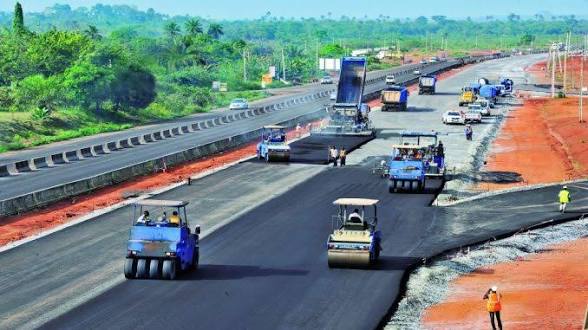
ABUJA, NIGERIA — As work continues on the Abuja-Kaduna-Zaria-Kano Expressway, many Nigerians are asking a question that goes beyond road construction: Can the completion of one of Nigeria’s most important highways help reduce food prices?
The answer, according to economists, transport operators and infrastructure experts, is yes—but not immediately.
The Abuja-Kaduna-Zaria-Kano corridor is more than just a major road project. It is one of Nigeria’s busiest economic arteries, linking the Federal Capital Territory with key commercial and agricultural hubs across northern Nigeria.
For years, poor road conditions, traffic congestion and rising transportation costs have increased the cost of moving food and goods across the country. As a result, consumers often pay more for essential items, while farmers and traders struggle with higher logistics expenses.
With rehabilitation and reconstruction efforts progressing, expectations are growing that a completed highway could improve trade, reduce transportation costs and ease pressure on food prices.
Why the Abuja-Kano Highway Matters
Stretching across major northern cities, the expressway serves as a critical route for the movement of agricultural produce, livestock, manufactured goods and commercial traffic.
Thousands of trucks transporting tomatoes, onions, peppers, grains, cattle and other commodities use the corridor daily to connect farms and markets with consumers in Abuja and other parts of the country.
However, years of deterioration have made transportation slower, more expensive and less predictable.
Truck drivers often spend extra hours navigating damaged sections of the road, increasing fuel consumption, vehicle maintenance costs and delivery times.
Those costs are eventually transferred to consumers.
When transportation becomes more expensive, food prices usually follow.
The Link Between Roads and Food Prices
Many Nigerians associate food inflation with exchange rates, fuel prices and insecurity. While these factors remain important, infrastructure also plays a major role.
A bag of onions produced in Kano does not become expensive only because of farming costs. The cost of transporting it to Abuja, Lagos, Port Harcourt or Enugu also affects the final market price.
Poor road conditions can increase logistics costs through:
- Higher fuel consumption
- Frequent vehicle breakdowns
- Increased maintenance expenses
- Longer travel times
- Higher risks of spoilage for perishable goods
For farmers, transporters and traders, these challenges translate into higher operating costs. For consumers, it means paying more at the market.
How a Better Highway Could Help
Industry stakeholders believe a fully completed Abuja-Kaduna-Zaria-Kano Expressway could improve efficiency across the supply chain.
Faster travel times would enable trucks to move goods more quickly between production centres and major markets.
Reduced wear and tear on vehicles could lower maintenance costs, while smoother traffic flow could decrease fuel consumption.
For transport operators moving agricultural products, these savings could gradually translate into lower logistics costs.
Over time, such improvements could help moderate food inflation, particularly for products sourced from northern Nigeria.
Food Inflation Is Bigger Than One Road
While the highway could provide significant benefits, experts caution against expecting an immediate or dramatic drop in food prices.
Nigeria’s food inflation challenge is influenced by several factors, including insecurity in farming communities, exchange-rate pressures, rising fuel costs, storage limitations and inadequate rail infrastructure.
As a result, road improvements alone cannot solve the country’s food inflation problem.
However, they can help address one of its major drivers: transportation costs.
Why Businesses Are Watching Closely
Beyond agriculture, businesses across multiple sectors are monitoring the project’s progress.
The highway serves as a major trade route connecting manufacturers, distributors and retailers.
Improved road infrastructure could strengthen supply chains, reduce delivery delays and improve the movement of goods between northern and southern markets.
Many analysts view the project as an important component of broader efforts to improve Nigeria’s competitiveness and lower the cost of doing business.
What Needs to Happen for Nigerians to Feel the Impact?
The completion of the Abuja-Kano Highway represents an important step, but infrastructure alone will not automatically reduce prices at the market.
For Nigerians to feel meaningful relief, road improvements must be supported by stronger security for farmers, stable fuel prices, better storage facilities and more efficient logistics systems.
There is also a need for greater investment in rail transportation, which can move large volumes of agricultural produce at lower costs than road transport.
If these measures work together, the benefits could extend beyond faster travel times to lower food prices, improved trade and stronger economic growth.
The Bigger Picture
The Abuja-Kaduna-Zaria-Kano Expressway is not just a construction project. It is an economic corridor that connects farms to markets, businesses to customers and producers to consumers.
For millions of Nigerians struggling with the rising cost of food, the road’s true value will not be measured by kilometres completed or contracts awarded.
It will be measured by whether tomatoes become cheaper, whether goods reach markets faster and whether families can spend less on food and more on improving their quality of life.
That is why the success of the highway matters not only to motorists and transport companies, but to every Nigerian household.
Related news: https://www.theprojectherald.com/umahi-lagos-calabar-highway-has-1500km-drains/