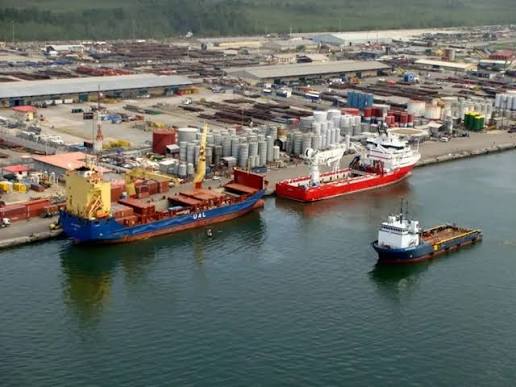
LAGOS, NIGERIA — Every day, thousands of containers arrive at Nigeria’s seaports carrying everything from raw materials and industrial equipment to food products, medicines and consumer goods.
Yet many of these goods spend days, weeks and sometimes even months trapped within the country’s port system before reaching businesses and consumers.
The result is a costly bottleneck that affects manufacturers, importers, exporters and ultimately ordinary Nigerians who end up paying more for goods and services.
As Nigeria battles inflation, rising logistics costs and a challenging business environment, industry stakeholders say fixing port congestion could become one of the fastest ways to reduce the cost of doing business and improve economic competitiveness.
Why Nigerian Ports Matter to the Economy
Nigeria’s ports serve as the primary gateway for international trade.
The country’s busiest ports, particularly those in Lagos, handle a significant portion of imports and exports entering and leaving Africa’s largest economy.
From machinery used in factories to pharmaceutical products and food ingredients, many sectors depend on efficient port operations.
When cargo moves smoothly, businesses can replenish inventory faster, manufacturers can maintain production schedules and consumers can access products at more affordable prices.
When ports become congested, however, the entire economy feels the impact.
Why Cargo Clearance Takes So Long
Industry experts point to several factors contributing to delays at Nigerian ports.
One of the biggest challenges is the lengthy cargo clearance process involving multiple government agencies.
Importers often navigate procedures involving customs authorities, port operators, regulatory agencies and security agencies before goods can leave the port.
Many stakeholders argue that overlapping processes and administrative bottlenecks significantly increase turnaround times.
In some cases, documentation issues, physical inspections and system delays can add days or weeks to the clearance process.
Poor Road Infrastructure Adds to the Problem
Even after cargo is cleared, getting containers out of the ports remains another challenge.
For years, access roads leading to major ports have struggled under heavy traffic volumes.
Although improvements have been made in recent years, logistics operators say congestion around port corridors continues to increase transportation costs and delivery times.
Truck drivers often spend long hours waiting to pick up or deliver containers, resulting in higher operating costs that are eventually transferred to businesses and consumers.
How Port Delays Increase Prices
For many Nigerians, port congestion may seem like a distant issue affecting only importers and shipping companies.
In reality, it affects nearly everyone.
When goods remain stuck at ports, businesses pay additional storage charges, demurrage fees, transportation costs and financing expenses.
Those extra costs are eventually reflected in the prices consumers pay.
Whether it is food, electronics, pharmaceuticals, building materials or industrial equipment, prolonged delays at ports can contribute to inflationary pressure across multiple sectors.
Simply put, the longer goods remain at the port, the more expensive they become.
The Impact on Manufacturers and Exporters
Manufacturers are among the biggest victims of port inefficiencies.
Many industries depend on imported raw materials and machinery to sustain production.
When critical inputs are delayed, production schedules can be disrupted, increasing costs and reducing competitiveness.
Exporters also face challenges.
Agricultural products and other export commodities often require timely movement through ports to meet international delivery schedules.
Delays can damage Nigeria’s reputation among global buyers and reduce opportunities for businesses seeking to expand into international markets.
Why Other Countries Move Cargo Faster
Leading trade hubs around the world have invested heavily in port automation, digital documentation systems and integrated logistics networks.
Many successful ports operate with streamlined clearance procedures that reduce human bottlenecks and accelerate cargo movement.
Technology has helped several countries cut clearance times significantly, improving efficiency while reducing costs for businesses.
Industry stakeholders argue that Nigeria must continue modernising its port operations if it hopes to compete effectively in the global economy.
What Must Change
Improving efficiency at Nigerian ports will require coordinated action from government agencies, regulators, port operators and private sector stakeholders.
Experts say one of the most important priorities is reducing bureaucratic delays through greater digitalisation of cargo processing and documentation.
A more integrated system could reduce duplication, minimise manual processes and accelerate cargo clearance.
There are also calls for stronger coordination among agencies operating within the ports to eliminate overlapping responsibilities that often slow operations.
Investment in supporting infrastructure remains equally important.
Better road networks, expanded rail connectivity and improved logistics facilities could help move cargo more efficiently from ports to markets and industrial centres across the country.
The Way Forward
Fixing Nigeria’s ports is about much more than reducing waiting times for containers.
It is about lowering the cost of doing business, improving trade competitiveness and reducing the pressure that logistics costs place on consumers.
Industry analysts believe that faster cargo clearance, improved infrastructure and greater use of technology could significantly reduce costs across supply chains.
For manufacturers, that could mean lower production expenses. For exporters, it could improve access to international markets. For consumers, it could help moderate the prices of everyday goods.
In the end, the success of Nigeria’s ports should not be measured by the number of ships arriving at the harbour.
It should be measured by how quickly goods move from the port to businesses, markets and households—and how much that efficiency contributes to economic growth and a better quality of life for Nigerians.
More news: https://www.theprojectherald.com/tunga-madaki-road-restores-access-to-farms-and-schools/