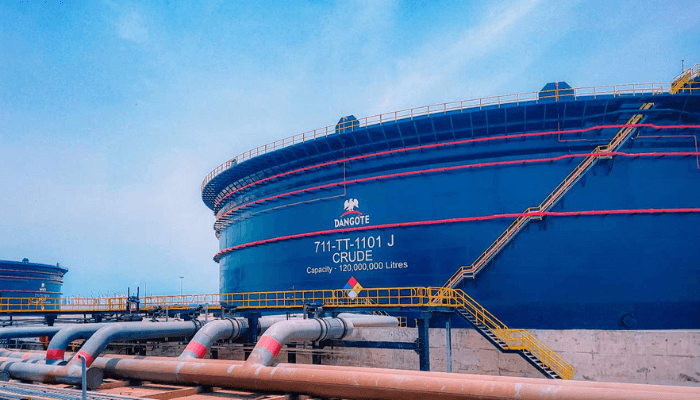
Dangote Industries Limited has signed an agreement worth more than $800 million with China’s Sinoma International Engineering Co. Ltd. to double production capacity at its Itori cement plant in Ogun State, from 6 million to 12 million metric tonnes per annum. The memorandum of understanding was signed on 3 August 2026 by Dangote Group president Aliko Dangote and Sinoma chairman Lin Zhong, and it stands as one of the largest single industrial contracts signed in Nigeria’s manufacturing sector this year.
The Contract in Context
The Itori expansion is not a standalone decision. Dangote Cement announced in March 2026 a plan to invest $1 billion over four years expanding production capacity across Africa, as infrastructure development across the continent continues to push cement demand higher. The Sinoma contract effectively front-loads a large share of that commitment into a single, specific facility with a clear capacity target and an export mandate attached.
Doubling Itori’s output to 12 million tonnes a year is explicitly framed around export growth rather than domestic absorption alone — the stated goal is to deepen Nigeria’s cement export drive and reinforce the country’s position as a regional manufacturing hub. That framing matters commercially: Nigeria’s cement sector has spent the past decade building domestic self-sufficiency, and a capacity expansion sized and marketed around exports signals the sector’s next phase is regional market share, not just import substitution.
Why Sinoma
Sinoma International is one of the world’s largest cement-plant engineering contractors, and its selection continues a well-established pattern of Chinese EPC contractors building industrial capacity for Nigeria’s largest private conglomerates — the same relationship structure seen elsewhere in Dangote’s fertiliser and refinery build-outs. For a contractor of Sinoma’s scale, an $800 million single-plant contract is a significant continued vote of confidence in Nigeria’s industrial demand outlook, coming at a time when some global contractors have been more cautious about African greenfield commitments.
What This Means in Practice
First, the contract creates a concrete, trackable construction and procurement pipeline over the life of the expansion — engineering, equipment supply, construction labour and logistics contracts that will flow from a single $800 million commitment rather than being spread thin across many smaller projects.
Second, it reinforces Dangote’s position as the anchor counterparty for major Chinese industrial EPC contractors operating in Nigeria, a relationship that increasingly shapes how other domestic manufacturers structure their own expansion financing and contractor selection.
Third, the export orientation of the expansion is worth watching against the backdrop of Nigeria’s broader push to grow non-oil exports under its Renewed Hope economic agenda — cement capacity aimed explicitly at regional export markets is a direct, trackable contribution to that national target, separate from the government initiatives driving it.
An $800 million contract to double a single cement plant’s capacity is a statement about where Dangote believes West African demand is heading over the next several years — and it is a statement backed by a signed agreement with a named contractor, not just a stated ambition.