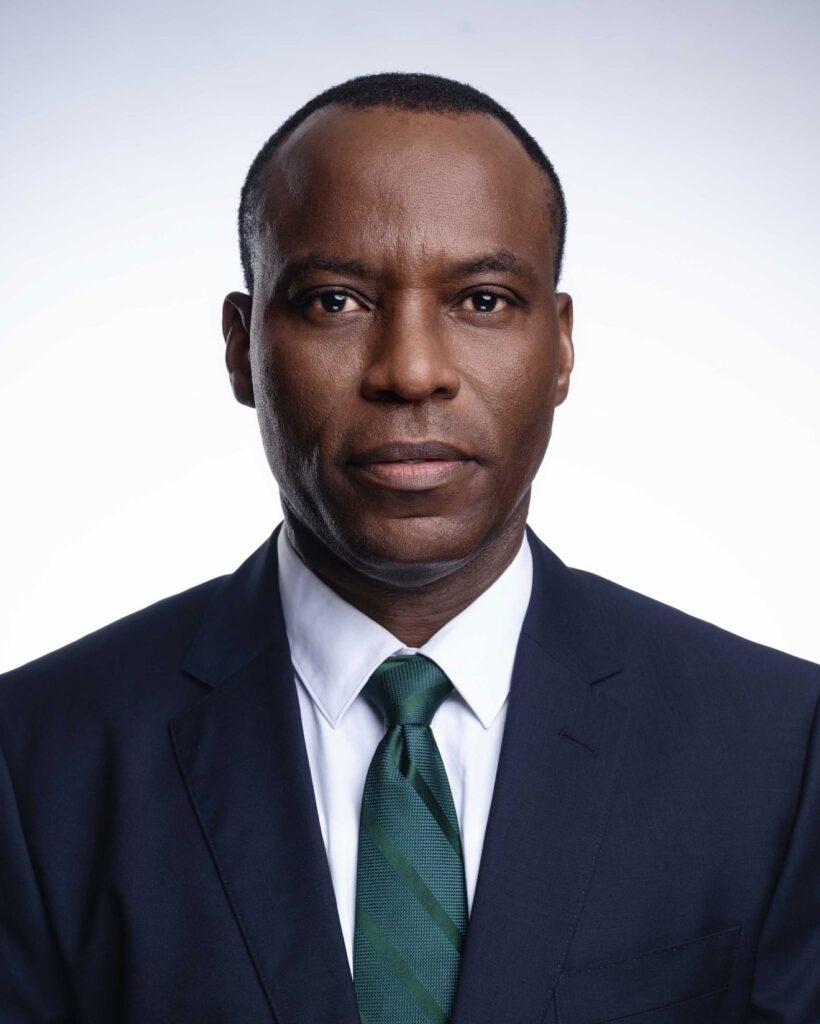
In December 2025, Heirs Energies acquired a 20.07% stake in Seplat Energy for approximately $500 million, buying the shareholding from France’s Maurel & Prom and becoming the company’s single largest shareholder. At the time, the transaction read as a capital story — a well-financed Nigerian conglomerate taking a strategic position in the country’s largest indigenous oil and gas producer. Eight months on, it has become a governance story.
The Handover
On 9 June 2026, Seplat’s board announced a full leadership transition. Roger Brown, CEO since 2020 and with the company since its 2014 dual listing, retired on 31 July 2026 after overseeing the acquisitions of Eland Oil and Gas and the transformational purchase of Mobil Producing Nigeria Unlimited (MPNU) in 2024. In his place, Effiong Okon — a Seplat insider with more than 35 years in the industry — became CEO effective 1 August 2026. Okon joined Seplat in 2018, served four years as Operations Director, and most recently ran ANOH Gas Processing Company, delivering its first gas in January 2026.
Tony Elumelu, founder and chairman of Heirs Holdings, will succeed Senator Udoma Udo Udoma as Chairman effective 1 January 2027, once Udoma completes his planned retirement. Elumelu joined Seplat’s board in January 2026, shortly after the stake acquisition closed.
Why the Sequencing Matters
The staggered timeline — CEO change in August, Chairman change five months later — reads as a deliberate approach to continuity rather than a abrupt takeover. Promoting from inside (Okon) for the CEO role, while taking more time before installing the controlling shareholder as Chairman, lets Heirs Energies assert governance influence without immediately disrupting operational management at a company mid-way through integrating MPNU and executing its 2030 strategic plan.
The market has already priced in confidence in the direction of travel. Seplat’s share price rose roughly 80% in the months following the stake acquisition, and by April 2026 the company became the first in the Nigerian Exchange’s 65-year history to cross ₦10,000 per share — turning Heirs Energies’ initial $500 million position into a paper gain of roughly $300 million within about four months of the deal closing.
What This Means in Practice
First, this is now the clearest test case in Nigeria’s energy sector of what happens when a well-capitalised domestic conglomerate takes control of a major indigenous producer rather than an international major. The result — indigenous ownership converting into indigenous board leadership within a year — is a template other African oil and gas markets undergoing IOC divestment will be watching.
Second, Okon’s background running ANOH — a domestic gas project rather than an export-oriented asset — signals continuity on Seplat’s broader strategy of balancing export revenue with domestic gas supply, a theme likely to matter as Nigeria pushes its own gas monetisation agenda.
Third, the financing structure behind the original stake purchase — backed by Afreximbank and Africa Finance Corporation — and Heirs Energies’ subsequent $750 million Afreximbank financing for OML 17 growth suggest this leadership change is the governance layer on top of a broader capital strategy to grow Seplat’s OML 17 operations aggressively over the next several years, not simply stabilise them.
A $500 million stake purchase is a capital event. A CEO and chairman handover eight months later is the moment that capital event becomes control. Seplat’s next set of operational results under Okon will be the first real test of what Heirs Energies actually plans to do with it.