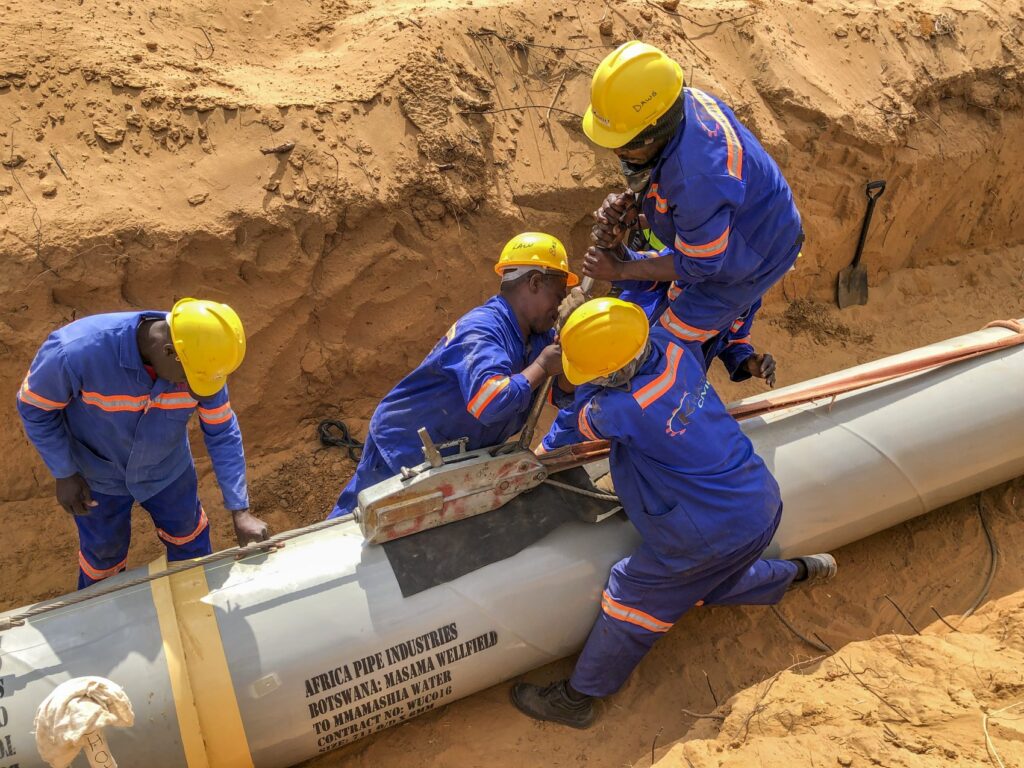
Africa needs roughly $130–170 billion a year in infrastructure investment, according to the African Development Bank — and only about half of that is currently being met. That gap isn’t a shortage of projects. It’s a shortage of matches: contractors who can’t find financiers, investors who can’t find bankable projects, project owners who can’t find the right EPC partner, and suppliers who can’t find buyers for equipment already sitting in a warehouse.
If you’ve ever tried to close one side of that equation, you already know the problem isn’t a lack of opportunity. It’s that the right people never find each other in time.
Why finding the right partner is so hard
Most partnership deals in Africa’s infrastructure and capital markets still happen the same way they did twenty years ago:
General business directories — high volume, low relevance, and no editorial vetting, so the
Conferences and forums — expensive, infrequent, and dependent on who happens to be in the room.
Cold LinkedIn outreach — low response rates, and no way to verify who’s actually looking for what right now.
Word of mouth — works, but only reaches people already inside your existing network.
- signal-to-noise ratio is poor.
None of these are built for the actual question most companies are asking: “Who, right now, is looking for exactly what I have — or has exactly what I need?”
What a Partnership Board actually solves
A partnership board is a curated, reviewed space where companies state clearly what they’re seeking — a joint venture partner, capital, a contractor, an investment opportunity, a supplier, or a buyer — and get discovered by people already active in that specific market, rather than the general public.
The Project Herald’s Partnership Board was built specifically for Africa’s projects, capital, corporate, and policy ecosystem — the same audience already reading about which projects are getting funded, which companies are moving, and which policies are changing the rules. That context matters: a listing here isn’t competing for attention with unrelated business categories the way it would on a generic directory.
Who it’s built for
Contractors and EPC firms seeking capital or a JV partner. If you have a proven track record and a project pipeline but need a financing or joint-venture partner to execute at scale, this puts your brief in front of investors actively scanning for exactly that.
Investors and financiers seeking bankable projects. Rather than sourcing deal flow through cold outreach or intermediaries, investors can see structured, reviewed opportunities with clear project stage, geography, and sector already attached.
Project owners and developers seeking a contractor. Post the scope of what you need, and let qualified EPC and civil works contractors come to you.
Suppliers and equipment vendors seeking buyers. If you have equipment, materials, or technical capability looking for a home, list it as what you’re offering, not what you’re seeking.
Off-takers seeking supply relationships, and technical partners seeking JV or advisory
roles — the same logic applies across the board.
How it works
- Submit a Partnership Brief. A short form — company name, what you’re seeking, company type, project stage, geography, and contact details. Takes about two minutes.
- Editorial review. Every submission is checked by The Project Herald’s editorial team within 2–3 business days before it goes live. Nothing is auto-published — this is what keeps a partnership board useful instead of becoming another spam directory.
- Goes live, with full visibility. Once approved, your listing appears on the public board with complete contact details visible — no login, no paywall standing between you and the person who wants to reach you.
- Extra distribution. Approved briefs are also featured in the next Weekly Edition’s Partnership Signal section, reaching The Project Herald’s existing subscriber base directly.
- What makes this different from a general directory
- The difference is editorial review and audience context. A general classifieds site has no idea whether the person browsing it has ever closed an infrastructure deal in their life. A partnership board embedded inside a publication that already covers projects, capital, corporate intelligence, and policy across Africa puts your listing in front of people who are, by definition, already paying attention to this exact market.
- Getting listed
- Submitting a Partnership Brief is free and open to anyone — no subscription required to list, and no paywall blocking your contact details once you’re approved. If you’re a contractor, investor, supplier, project owner, or technical partner working anywhere in Africa’s infrastructure or capital markets, it takes about two minutes to submit your brief for review.
Frequently Asked Questions
Is it really free to list on the Partnership Board? Yes. There’s no subscription and no fee to submit a brief or to have your contact details visible once approved.
How long does approval take? Most submissions are reviewed within 2–3 business days.
Can investors use it, or is it only for contractors? Both, and more. The board is built around a single “What are you seeking?” field that covers partners, capital, contractors, investment opportunities, suppliers, and off-takers — so it works whichever direction of the deal you’re on.
What happens after my brief is approved? Your listing goes live on the public Partnership Board with full contact details visible, and it’s also featured in the next Weekly Edition’s Partnership Signal section.
Do I nee to be a subscriber to see other companies’ contact details? No. The board is fully open — anyone can browse listings and see contact information without logging in or subscribing.
Make your entry here: https://www.theprojectherald.com/