Power Minister Tegbe Secures Fresh Chinese Commitments for Presidential Power Initiative
Minister of Power Joseph Tegbe concluded a series of high-level engagements in Beijing this week, securing commitments from Chinese power engineering firms and financial institutions to accelerate delivery of Presidential Power Initiative (PPI) projects and expand Chinese participation across Nigeria's electricity value chain.
The delegation held meetings with China Machinery Engineering Corporation (CMEC), Sinomach Group, China Export & Credit Insurance Corporation (SINOSURE), Standard Chartered Bank, and China National Electric Engineering Corporation (CNEEC), the latter aimed specifically at advancing EPC cooperation on Nigeria's transmission network, the segment of the value chain most directly tied to load-shedding for homes and industry.
On the Ground
As part of the visit, the delegation witnessed a factory acceptance test for high-voltage cables and related transmission materials at Hengfei Cable's Changsha Industrial Park, intended to confirm equipment destined for Nigerian transmission projects meets required technical standards before shipment, a step officials say should shorten installation timelines once materials arrive.
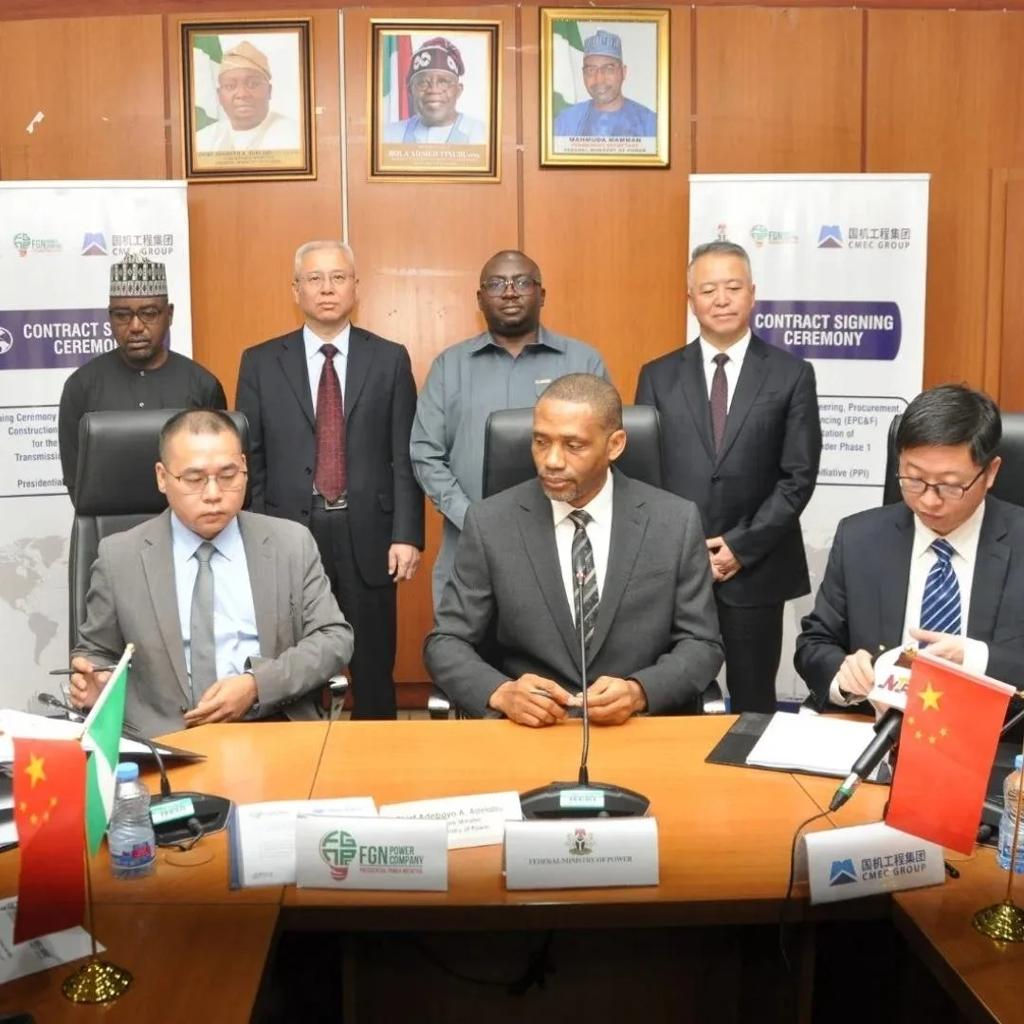
Minister of Power Joseph Tegbe in discussions with Chinese power engineering and financing institutions in Beijing this week.
Why It Matters
Discussions centred on generation, transmission, project financing, and industrial manufacturing, with Tegbe also inviting Chinese corporations to invest in sectors that are major consumers of power: steel, automotive manufacturing, digital infrastructure and data centres, cold-chain logistics, and sugar processing. The minister proposed a structured Nigeria-China industrial cooperation platform to originate, screen, and develop bankable projects aligned with Nigeria's industrialisation priorities.
What's Missing
No specific financing figures, project timelines, or signed agreements have been disclosed beyond the general commitments described by the Ministry. As with most bilateral mission outcomes, the gap between stated commitment and a signed, financed project is where The Project Herald's tracking continues.
Kenya Pursues AIIB Financing for 243km Mau Summit–Malaba Expressway and JKIA Expansion
Kenya is seeking fresh financing from the Asian Infrastructure Investment Bank (AIIB) to fund major infrastructure projects, including a 243-kilometre Mau Summit–Malaba expressway intended to improve connectivity between western Kenya and the rest of the country. Prime Cabinet Secretary Musalia Mudavadi disclosed the push following a meeting with AIIB President Zou Jiayi this week, where Kenya presented several projects for potential financing.
On the Ground
Part of the financing under discussion would also fund modernisation of Jomo Kenyatta International Airport (JKIA), continuing a pattern of Kenyan infrastructure financing that increasingly blends multilateral capital with public-private structuring, seen elsewhere in the country's Rironi–Mau Summit and Rironi–Maai Mahiu–Naivasha highway projects, both structured as 30-year Design-Build-Finance-Operate-Maintain-Transfer concessions.
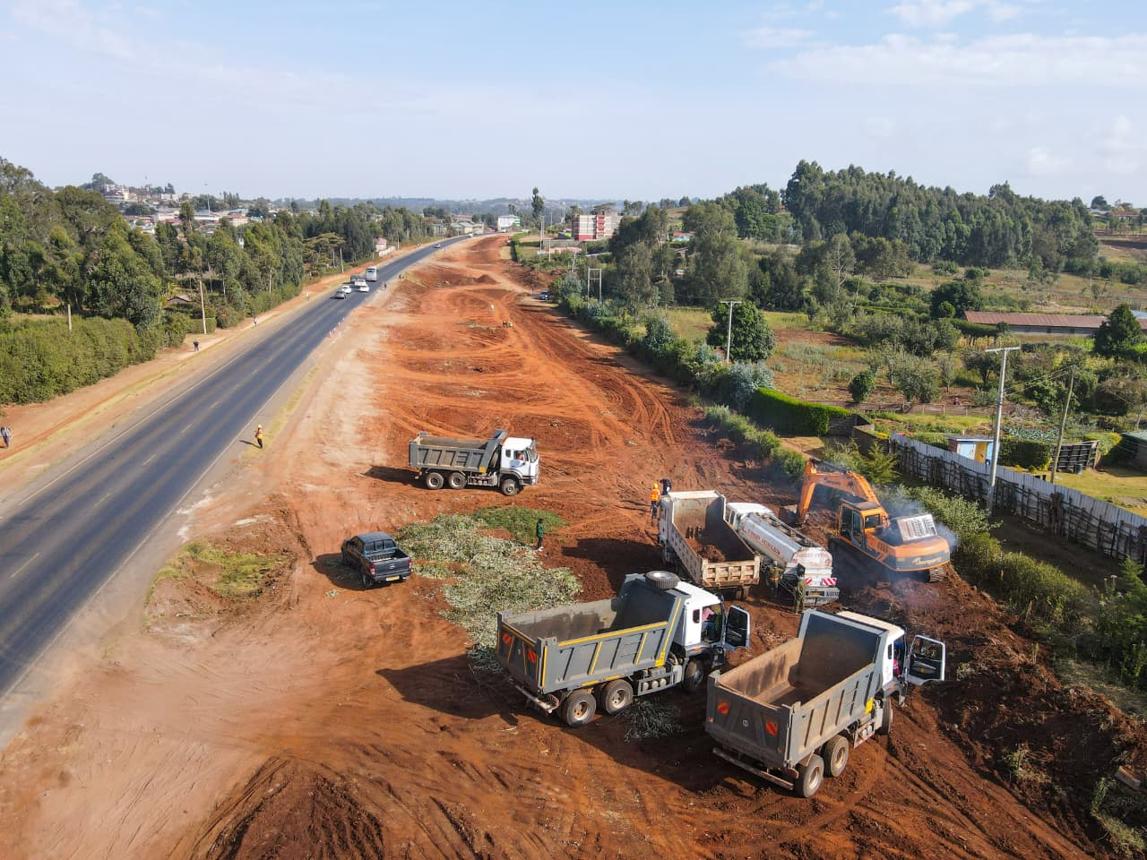
Kenya pursues AIIB financing for the 243km Mau Summit–Malaba Expressway, a key corridor connecting western Kenya to the rest of the country.
Why It Matters
The expressway sits on a key corridor connecting the Rift Valley and western Kenya to the rest of the country, an artery frequently cited in the country's broader infrastructure financing push. Kenya's National Infrastructure Fund, established to package the country's infrastructure priorities into investable instruments, has separately capped its maximum allowed investment in any single project at 20%, a structural signal that the government is deliberately positioning itself to crowd in external financiers such as the AIIB rather than fund megaprojects alone.
What's Next
No financing figure or approval timeline has been disclosed. Whether AIIB moves toward a formal appraisal, and on what terms, is the next milestone The Project Herald will be watching.
Also This Week: KeNHA Digitises Safeguards Operations as Mombasa Road Faces 35-Day Closure
The Kenya National Highways Authority (KeNHA) is digitising its environmental and social safeguards operations, funded through the World Bank-backed Horn of Africa Gateway Development Project, a roughly 740-kilometre road corridor that includes the 749-kilometre Isiolo–Mandera highway upgrade.
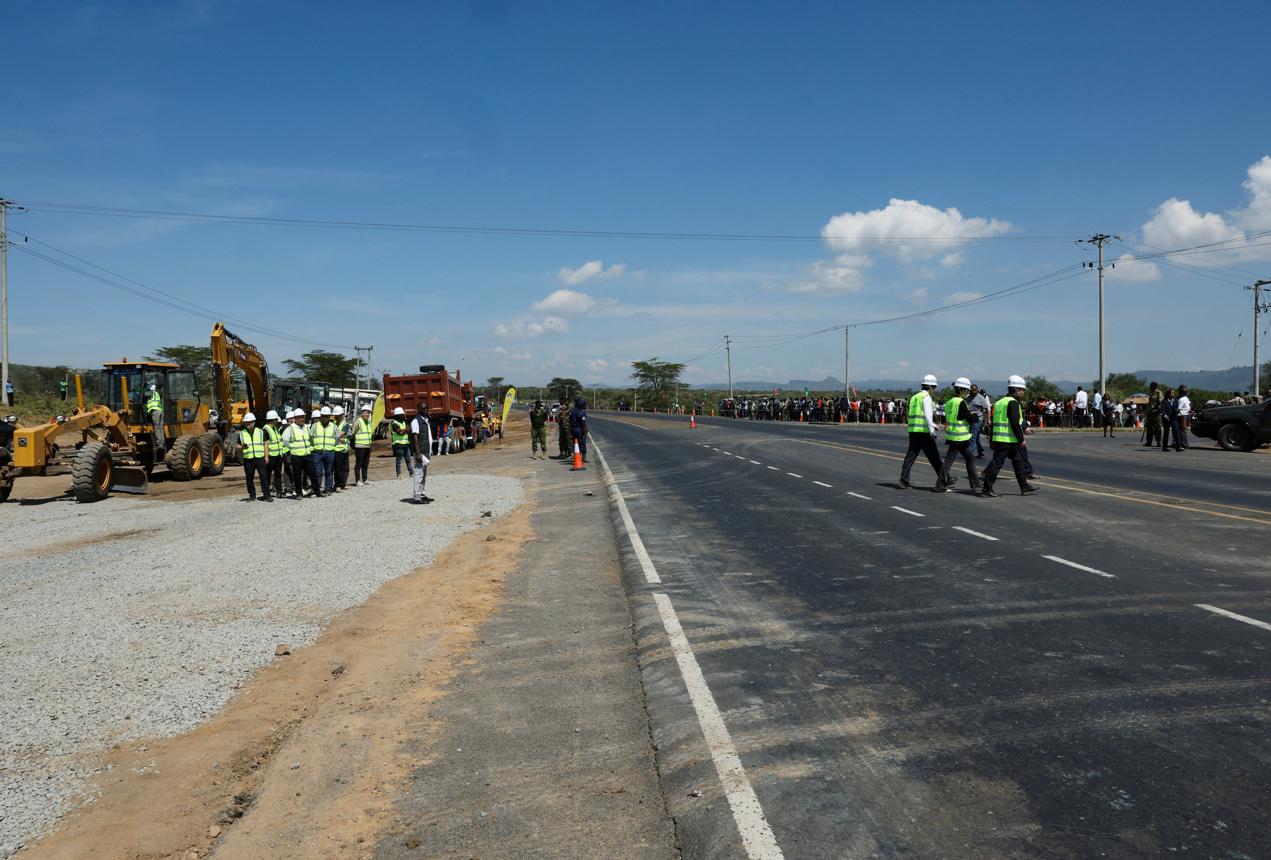
Kenya's Malaba Expressway and JKIA expansion are both under consideration for AIIB-backed financing.
Separately, KeNHA has warned that a section of Mombasa Road will close to traffic for 35 days, from September 17 to October 22, to allow construction work tied to ongoing road upgrades to proceed. The closure is among the more disruptive near-term procurement and construction signals on Kenya's road network this month.
The digitisation of safeguards processes, typically among the slower-moving compliance steps in World Bank-financed road projects, is a procurement detail worth tracking in its own right: faster environmental and social clearance processing is often what determines whether large corridor projects stay on schedule once construction financing is in place. KeNHA has not disclosed a detailed contractor mobilisation schedule beyond the September 17 closure date, nor confirmed whether the digitisation rollout will extend to other KeNHA-managed corridors.
Oyo Inspects Ibadan Airport's New International Terminal as Upgrade Enters Delivery Phase
Governor Seyi Makinde inspected progress on the new international terminal building at Samuel Ladoke Akintola Airport, Alakia, this week, continuing a multi-year push to convert Ibadan's domestic airport into an international gateway capable of competing with Lagos.
On the Ground
The terminal, awarded to Craneburg Construction Ltd at a contract value of ₦41 billion, is designed to handle at least one million passengers annually, a significant jump from the facility's previous 100,000-passenger capacity. It follows an earlier phase of the project that extended the runway to 3,000 metres to accommodate larger aircraft, including wide-body jets. The state government has targeted first-quarter completion for the terminal building.
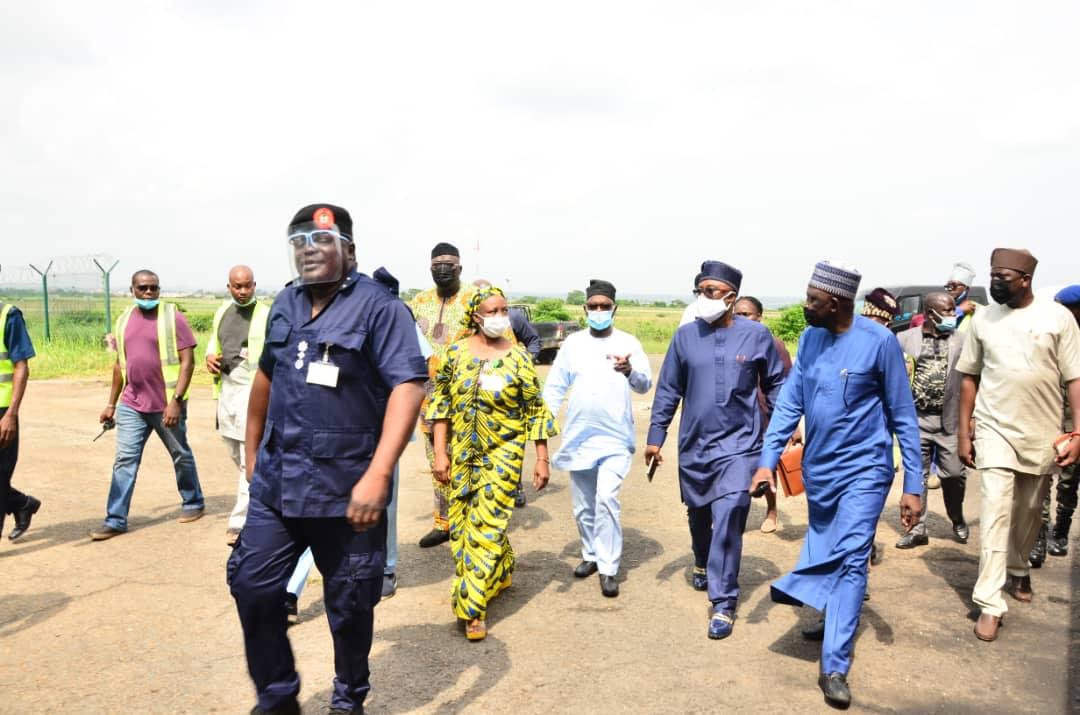
Governor Seyi Makinde inspects the new international terminal building at Samuel Ladoke Akintola Airport, Alakia, as the upgrade enters its delivery phase.
Why It Matters
Oyo's pitch for the upgrade has consistently framed it as an economic turnaround project rather than a standalone transport asset, aimed at drawing investment into agribusiness, manufacturing, and technology by giving the state a direct international logistics gateway independent of Lagos. Approval for the airport's upgrade to international status came from the Federal Government, positioning the project alongside similar state-level aviation upgrades happening elsewhere on the continent.
What's Missing
No updated completion date beyond the previously stated first-quarter target has been confirmed this week, and officials have not disclosed what proportion of the ₦41 billion contract value has been disbursed to date.
South Africa Formalises Tourism-Infrastructure Partnership Ahead of September Investment Summit
South Africa's Department of Tourism and the Department of Public Works and Infrastructure formalised a three-year partnership this week, under which Infrastructure South Africa will provide specialist technical and transaction support to move tourism infrastructure projects from planning into bankable, investable pipelines.
On the Ground
Tourism Minister Patricia de Lille and Public Works and Infrastructure Minister Dean Macpherson signed the Memorandum of Agreement ahead of the second Tourism Infrastructure Investment Summit, scheduled for Gauteng on September 30 and October 1. The Department of Tourism retains ownership and accountability for its Investment Facilitation Service under the arrangement, while Infrastructure South Africa supplies the technical and transaction backing.
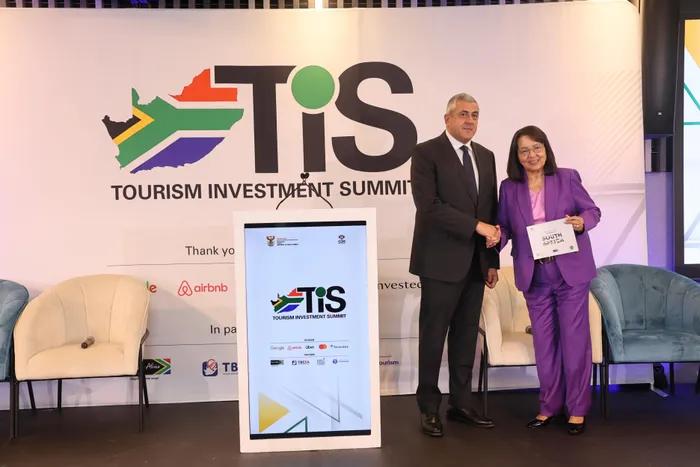
South Africa formalises a tourism-infrastructure partnership ahead of its September Investment Summit.
Why It Matters
The partnership follows President Cyril Ramaphosa's recent launch of Phase Three of the Government-Business Partnership, which identified tourism as a sector capable of accelerating inclusive growth and employment. It also builds on Infrastructure South Africa's broader project-preparation push, which has already supported more than two dozen projects with a combined capital value in excess of R148 billion across housing, aviation, bulk water, and energy.
What's Next
The September 30–October 1 summit is expected to be the first real test of whether the new partnership produces a credible pipeline of tourism-specific projects ready for private and multilateral financing, rather than early-stage proposals.
Kenya's KeNHA Digitises Safeguards Operations as Mombasa Road Faces 35-Day Closure
The Kenya National Highways Authority (KeNHA) is digitising its environmental and social safeguards operations, funded through the World Bank-backed Horn of Africa Gateway Development Project, a roughly 740-kilometre road corridor that includes the 749-kilometre Isiolo–Mandera highway upgrade.
On the Ground
Separately, KeNHA has warned that a section of Mombasa Road will close to traffic for 35 days, from September 17 to October 22, to allow construction work tied to ongoing road upgrades to proceed. The closure is among the more disruptive near-term procurement and construction signals on Kenya's road network this month.
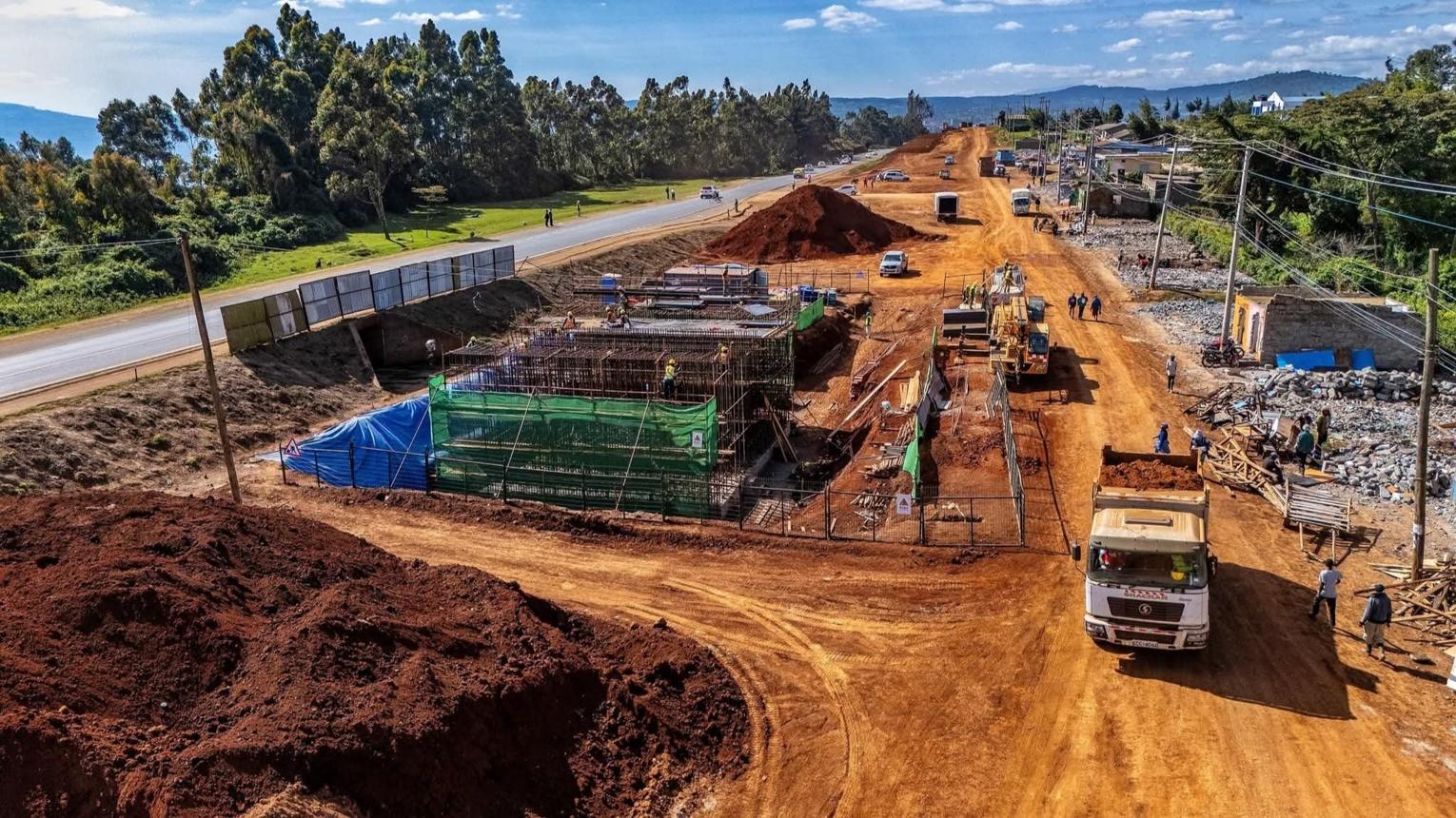
KeNHA digitises its environmental and social safeguards operations as a section of Mombasa Road faces a 35-day closure.
Why It Matters
The digitisation of safeguards processes, typically among the slower-moving compliance steps in World Bank-financed road projects, is a procurement detail worth tracking in its own right: faster environmental and social clearance processing is often what determines whether large corridor projects stay on schedule once construction financing is in place.
What's Missing
KeNHA has not disclosed a detailed contractor mobilisation schedule beyond the September 17 closure date, nor confirmed whether the digitisation rollout will extend to other KeNHA-managed corridors beyond the Horn of Africa Gateway project.
Go Deeper With The Project Herald
Subscribers to our Weekly Intelligence Briefing receive detailed opportunity analysis and earlier notice of emerging projects. Subscribe here.
For full access to prenews and downstream procurement signals, before they reach public tender, subscribe to our Genesis Suite. Explore Genesis.