By The Project Herald
Across Nigeria, state governments are increasingly shifting attention toward industrial parks, special economic zones, and logistics hubs as they seek new pathways to economic growth, job creation, and private sector investment.
For decades, many states relied heavily on federal allocations and traditional revenue sources. However, declining fiscal flexibility, growing urban populations, and rising unemployment have compelled subnational governments to pursue strategies capable of attracting manufacturers, exporters, and distribution companies.
Industrial parks and logistics hubs are emerging as one of the most attractive options.
Beyond Factories: Building Economic Ecosystems
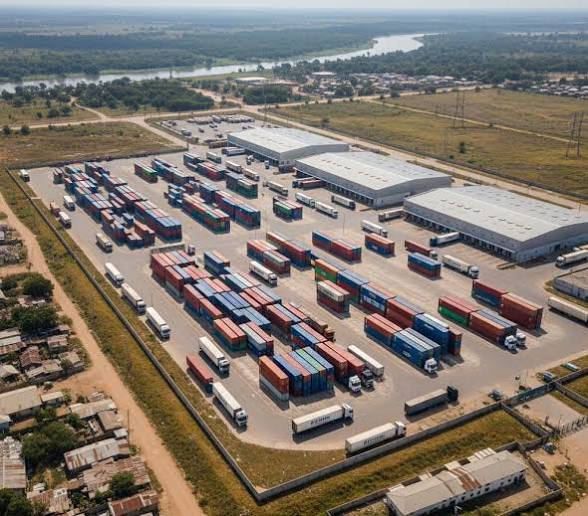
Modern industrial parks extend beyond clusters of factories. They are designed as integrated business environments that provide access to power, transportation links, warehousing facilities, customs services, and in some cases residential and commercial amenities.
Logistics hubs, meanwhile, serve as strategic centers for the movement, storage, and distribution of goods. Their proximity to highways, rail lines, airports, and seaports can significantly reduce transportation costs and improve supply chain efficiency.
For investors, these factors often influence decisions on where to establish operations.
Competition for Investment
States are increasingly recognizing that investors compare locations before committing capital. Availability of land, ease of obtaining permits, infrastructure quality, security, and access to markets have become important competitive advantages.
Several states are now promoting industrial corridors and economic zones as part of broader development plans. Others are seeking partnerships with private developers and international investors to finance industrial estates and logistics facilities.
The objective is not only to attract large corporations but also to support small and medium-sized enterprises that depend on reliable infrastructure to scale production.
Job Creation and Revenue Growth
Industrial clusters can generate employment opportunities across multiple sectors, including manufacturing, construction, transportation, maintenance, and professional services.
They also create indirect benefits for surrounding communities through increased demand for housing, retail businesses, and local suppliers.
For governments, successful industrial zones can expand internally generated revenue through taxes, business registrations, and land-related charges.
The Infrastructure Challenge
Despite growing interest, many states still face challenges in developing industrial parks.
Inadequate power supply, poor road connectivity, limited rail infrastructure, and lengthy administrative processes continue to discourage some investors.
Experts suggest that states seeking to remain competitive may need to prioritize infrastructure investments, streamline regulatory procedures, and provide clear long-term development policies.
Looking Ahead
As global supply chains evolve and businesses search for new production locations, industrial parks and logistics hubs may become increasingly important tools for economic diversification in Nigeria.
The states that successfully combine infrastructure development, investor-friendly policies, and efficient logistics networks could position themselves as major destinations for manufacturing and trade in the coming years.
Read more: https://www.theprojectherald.com/tunga-madaki-road-restores-access-to-farms-and-schools/