
Economy

Thousands of Nigerian Graduates Are Turning to Ride-Hailing Jobs: What It Says About the Economy

Thousands of Nigerian Graduates Are Turning to Ride-Hailing Jobs: What It Says About the Economy

For many young Nigerians, earning a university degree was once seen as a direct path to a stable career and financial security. Today, that dream is becoming increasingly difficult to achieve. Across major cities such as Lagos, Abuja, Port Harcourt, and Benin City, a growing number of university graduates are finding work behind the wheel […]
Thousands of Nigerian Graduates Are Turning to Ride-Hailing Jobs: What It Says About the Economy Read More »

Will the Economy Decide Nigeria's 2027 Presidential Vote?

WILL THE ECONOMY DECIDE NIGERIA’S 2027 ELECTION?

With Nigeria’s next presidential election still months away, political conversations across the country are increasingly returning to one issue: the economy. From market traders and civil servants to business owners and young graduates, economic conditions have become a major topic of discussion as Nigerians assess the impact of reforms introduced over the past three years.

WILL THE ECONOMY DECIDE NIGERIA’S 2027 ELECTION? Read More »

Halfway Through 2026: Winners and Losers in Nigeria Economy

HALFWAY THROUGH 2026: WHO IS WINNING AND LOSING IN NIGERIA’S ECONOMY?

As Nigeria enters the second half of 2026, the economy presents a mixed picture. On one hand, key macroeconomic indicators show signs of improvement. The naira has become more stable, inflation has moderated from previous highs, and foreign reserves remain stronger than they were during the peak of the economic crisis. On the other hand,

HALFWAY THROUGH 2026: WHO IS WINNING AND LOSING IN NIGERIA’S ECONOMY? Read More »

Naira Stability Debate: Why Prices Remain High in Nigeria

NAIRA STABILITY DEBATE: WHY LOWER FX RATES HAVEN’T REDUCED PRICES IN NIGERIA

In 2026, Nigeria has recorded periods of improved foreign exchange stability compared to previous years, with the naira showing less volatility in official and parallel market trends. Policymakers have pointed to tighter monetary measures, improved dollar inflows, and reduced speculative pressure as key drivers of this relative stability. Despite these developments, prices of goods and

NAIRA STABILITY DEBATE: WHY LOWER FX RATES HAVEN’T REDUCED PRICES IN NIGERIA Read More »

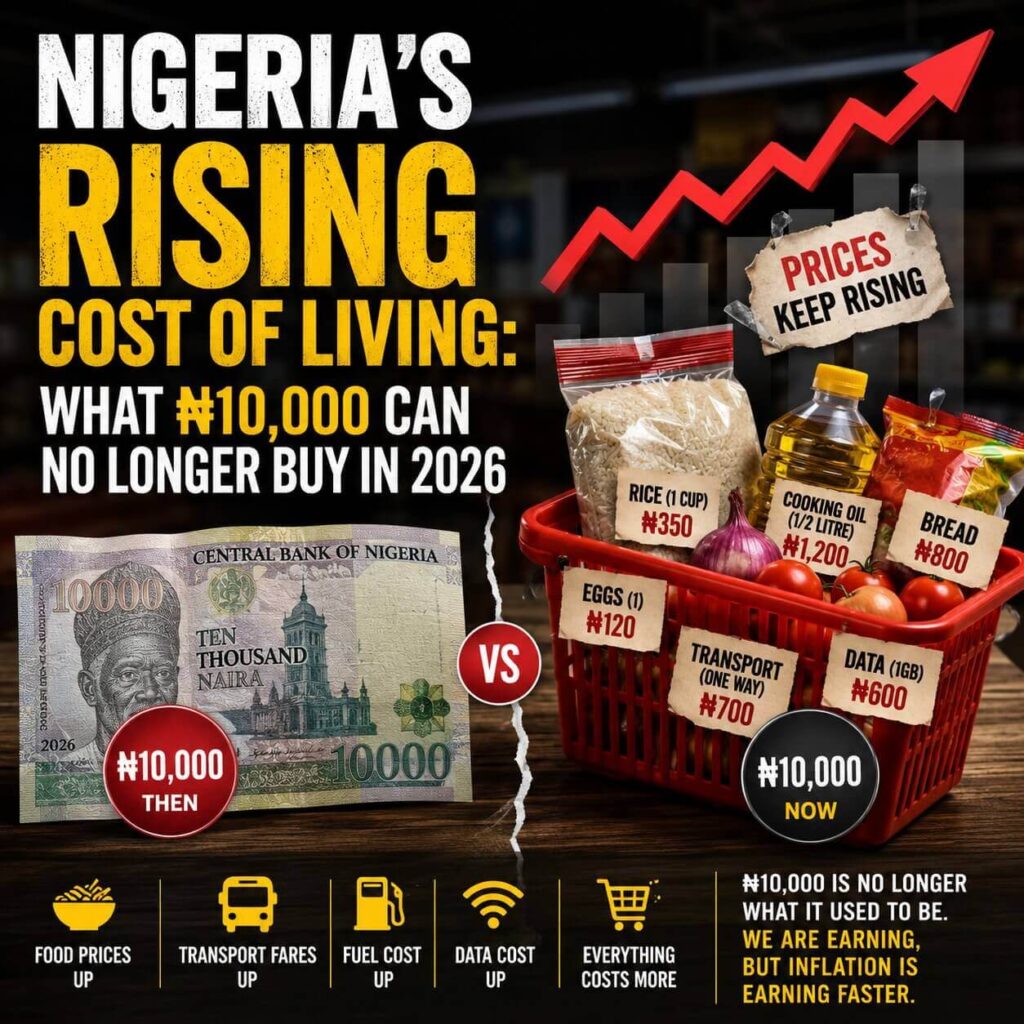
Nigeria Cost of Living: What ₦10,000 Buys in 2026

Nigeria’s Rising Cost of Living: What ₦10,000 Can No Longer Buy in 2026

In 2026, the value of ₦10,000 in Nigeria has significantly declined in terms of purchasing power. Across food markets, transport routes, and basic household needs, the amount now covers far fewer essentials than it did in previous years. Inflation, fuel price increases, exchange rate pressure, and rising logistics costs continue to influence the prices of

Nigeria’s Rising Cost of Living: What ₦10,000 Can No Longer Buy in 2026 Read More »

Creative Economy Reforms Earn Industry Support

Creative Economy Reforms Earn Industry Support

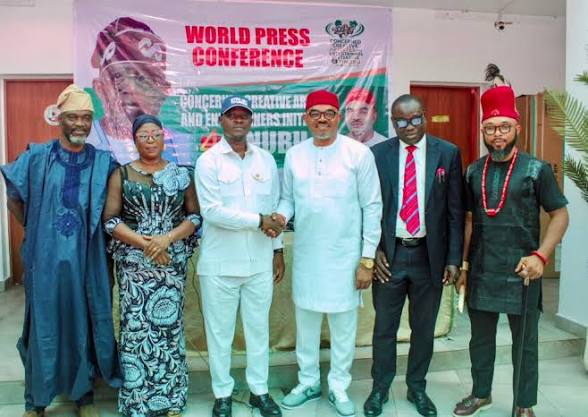
Stakeholders in Nigeria’s creative industry have expressed support for ongoing reforms aimed at strengthening the country’s creative economy, describing recent government initiatives as important steps toward empowering young talents, creating jobs, and expanding opportunities within the sector. The stakeholders made their views known during a gathering of industry professionals, where discussions focused on the future

Creative Economy Reforms Earn Industry Support Read More »

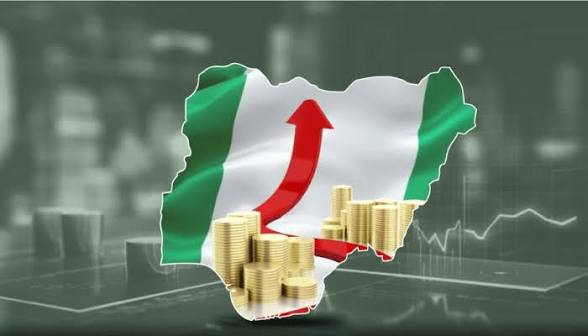
Is Nigeria's Economy Improving? What the Numbers Say

Is Nigeria’s Economy Turning a Corner or Are Nigerians Yet to Feel It?

Nigeria’s economy is showing signs of improvement on paper. Government revenue is rising, economic growth forecasts have become more positive, and investors are beginning to show renewed interest in the country. To economists and policymakers, these are encouraging signals that the economy may be moving in the right direction. Yet for many Nigerians, a different

Is Nigeria’s Economy Turning a Corner or Are Nigerians Yet to Feel It? Read More »

Why More Nigerians Are Struggling to Save Money Despite Working Full-Time

Why More Nigerians Are Struggling to Save Money Despite Working Full-Time

For many Nigerians, having a full-time job no longer guarantees financial stability. Across the country, workers are increasingly finding it difficult to set money aside at the end of the month despite earning regular incomes. While employment was once viewed as a pathway to financial security, rising living costs and economic pressures have made saving

Why More Nigerians Are Struggling to Save Money Despite Working Full-Time Read More »

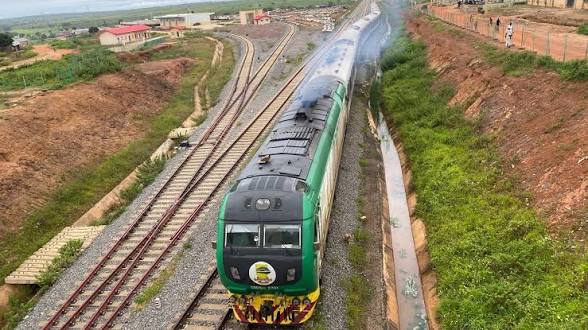
Beyond Transportation: The Economic Impact of Nigeria's Railways

Beyond Transportation: The Economic Impact of Nigeria’s Railways

Transportation is often viewed simply as a means of moving people from one location to another. Yet for nations seeking economic growth, transportation infrastructure serves a much larger purpose. It connects markets, reduces business costs, improves productivity, and drives development. Among the various modes of transportation, railways have historically played a critical role in supporting

Beyond Transportation: The Economic Impact of Nigeria’s Railways Read More »

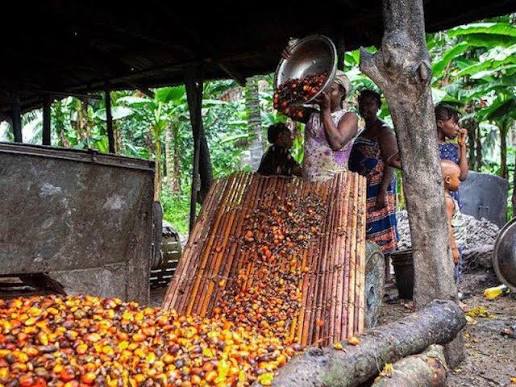
Nigeria Once Led the World in Palm Oil. What Changed?

From Global Leader to Major Importer: The Story of Nigeria’s Palm Oil Decline

There was a time when Nigeria stood at the centre of the global palm oil industry. Long before crude oil transformed the nation’s economy, palm oil was one of Nigeria’s most valuable exports. The country supplied international markets, generated foreign exchange, created jobs, and supported millions of livelihoods across rural communities. Today, the story is

From Global Leader to Major Importer: The Story of Nigeria’s Palm Oil Decline Read More »