- The UNEP findings
- When water became a risk
- The pipeline problem
- Why remediation is so difficult
- The remediation economy
IN THIS ISSUE
Ogoniland and the Environmental Cost That Refused to Disappear
This issue of The Failure File treats Ogoniland as a case study in industrial risk and long-term accountability: what the evidence found, why recovery is so difficult, who bears the cost, and what project owners, financiers and regulators must learn from it.
The Case
COVER STORY
The Failure File: Ogoniland
BEYOND THE OIL SPILL
Editor's Note: The Environmental Cost That Refused to Disappear
The Evidence
THE CONTAMINATED LANDSCAPE
Inside Ogoniland's Long Environmental Crisis
THE UNEP FINDINGS
What the Scientific Investigation Revealed
WHEN WATER BECAME A RISK
Groundwater Contamination and the Failure of Environmental Protection
THE PIPELINE PROBLEM
Oil Spills, Infrastructure Integrity and Operational Risk
Recovery and People
WHY REMEDIATION IS SO DIFFICULT
The Science, Cost and Complexity of Restoring Contaminated Land
THE HUMAN COST
Livelihoods, Fishing, Farming and the Burden on Local Communities
Governance and Capital
THE ACCOUNTABILITY GAP
Regulation, Responsibility and the Challenge of Enforcement
THE REMEDIATION ECONOMY
Funding, Contractors and the Business of Environmental Recovery
THE COST OF ENVIRONMENTAL FAILURE
Commercial Liability, Investor Exposure and Operational Risk
Lessons and Verdict
HSE & ENVIRONMENTAL INTELLIGENCE
What Effective Spill Prevention and Remediation Assurance Require
LESSONS FOR AFRICA’S PROJECT ECONOMY
What Project Owners, Financiers and Regulators Must Learn
THE FINAL ASSESSMENT
When Extraction Ends but the Liability Remains · Sources & References
Extraction may have an end date. Environmental responsibility does not automatically end with it.
THE PROJECT HERALD REVIEW
Projects • Capital • Products & Policy
BEYOND THE OIL SPILL
The Environmental Cost That Refused to Disappear
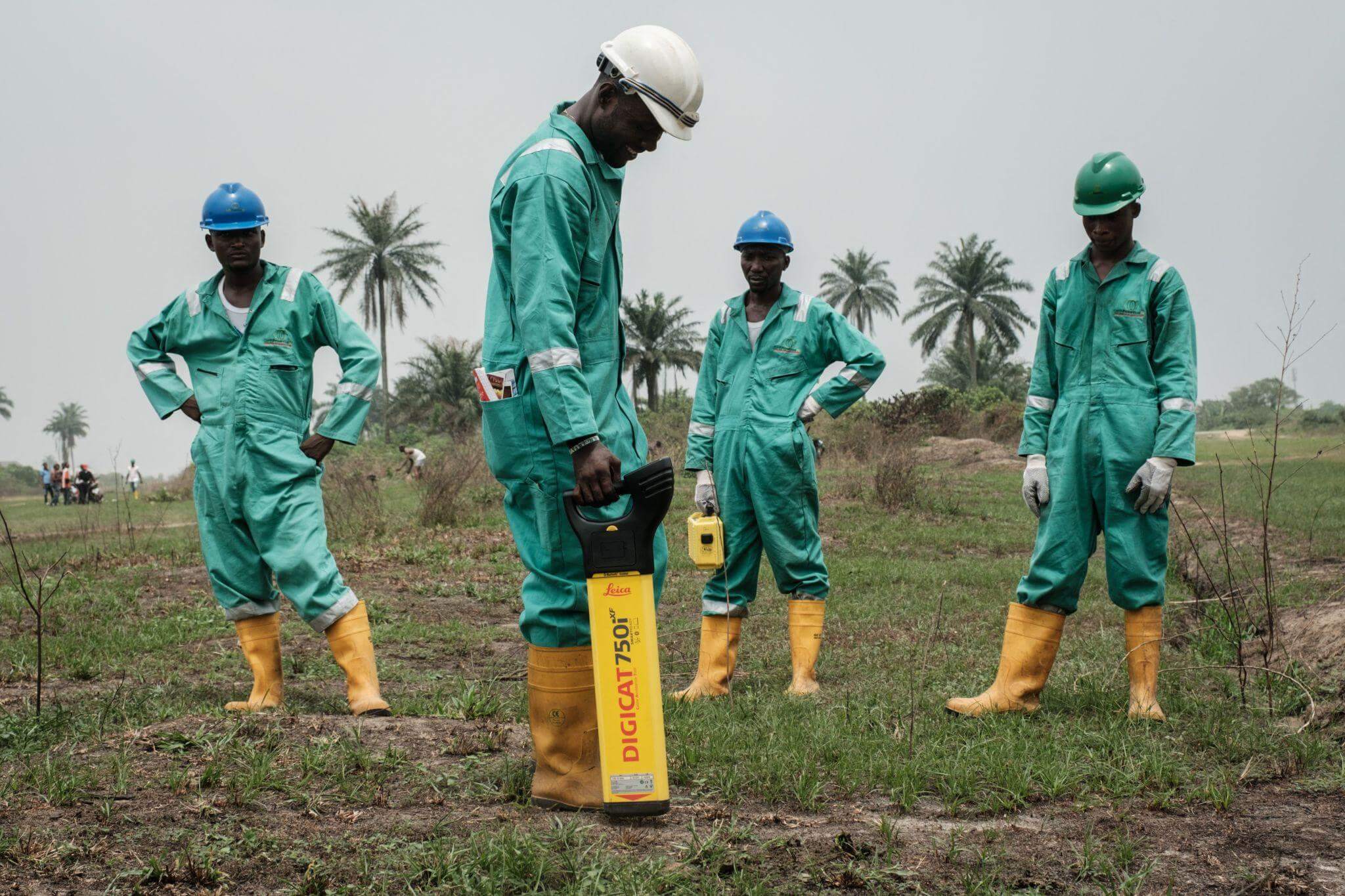
Industrial projects are commonly evaluated through measurable commercial outcomes: production volumes, capital expenditure, operating costs, revenue, asset life and returns on investment. Environmental liabilities can be harder to capture in those calculations, particularly when their consequences emerge gradually or persist beyond the period in which an asset generates revenue.
Ogoniland demonstrates the consequences of that imbalance.
The environmental crisis in this part of Rivers State cannot be understood through individual spill events alone. It involves contaminated land and water, damaged ecosystems, questions about the maintenance of petroleum infrastructure, the livelihoods of affected communities and the institutional challenge of coordinating environmental recovery.
THE ASSESSMENT THAT CHANGED THE DISCUSSION
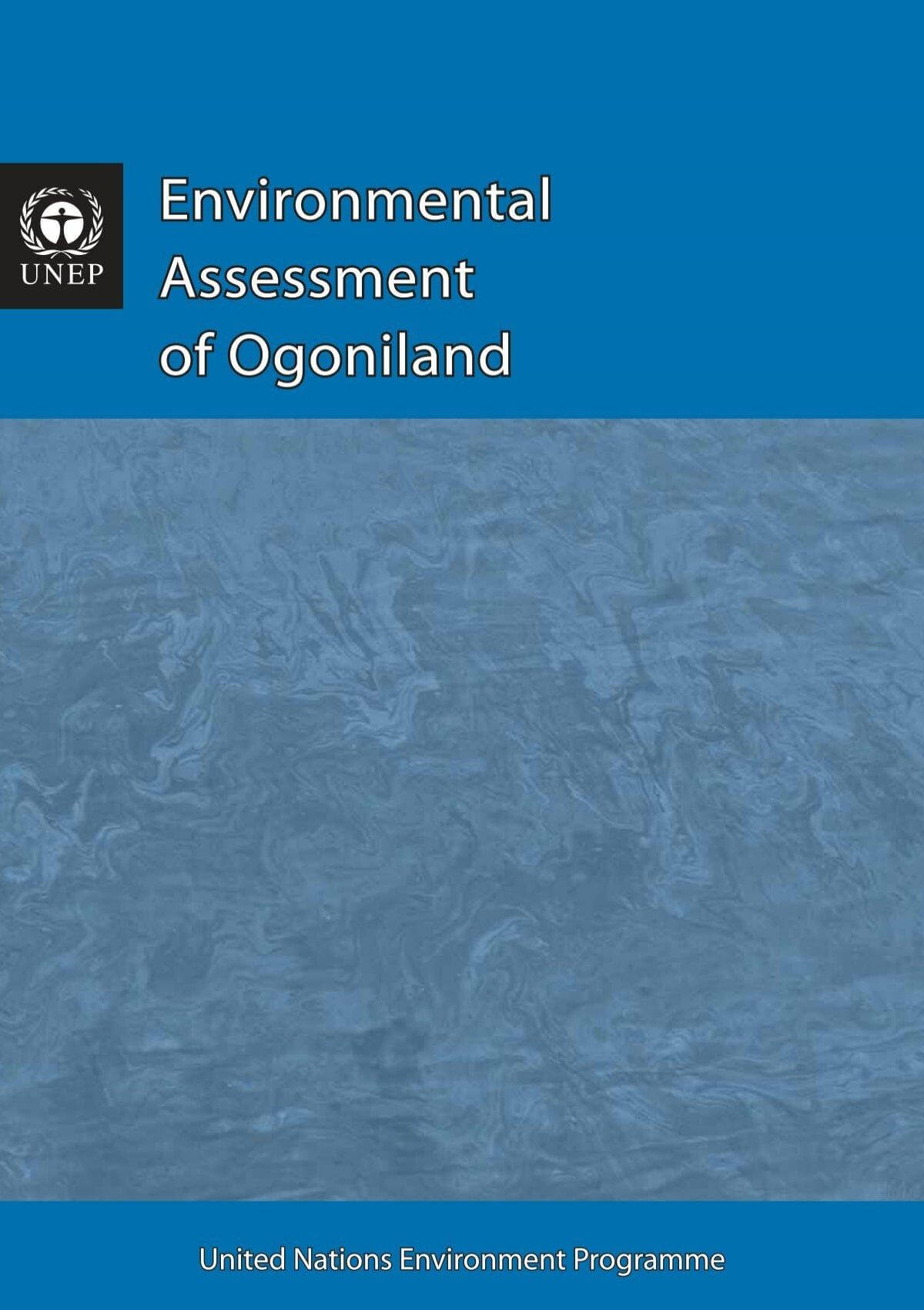
The landmark assessment by the United Nations Environment Programme, published in 2011, transformed the discussion by establishing the scale and depth of contamination at investigated sites. Its findings showed that visible surface damage did not necessarily reveal the full extent of pollution beneath the ground. Some contamination required investigation beyond what could be observed from the surface.
That distinction matters. An oil-stained shoreline may be immediately visible, but contaminated groundwater can remain hidden. A site that appears cleaner after surface treatment may still require sampling, verification and continued monitoring before its environmental condition can be established.
The assessment recommended a comprehensive restoration programme, including emergency measures to protect drinking water, institutional reforms and long-term ecosystem recovery. It also estimated that restoration could take 25 to 30 years. That was a projection made in 2011, not a declaration that the work would automatically be completed within that period.
Can restoration be demonstrated through evidence rather than activity alone?
FROM ASSESSMENT TO EVIDENCE
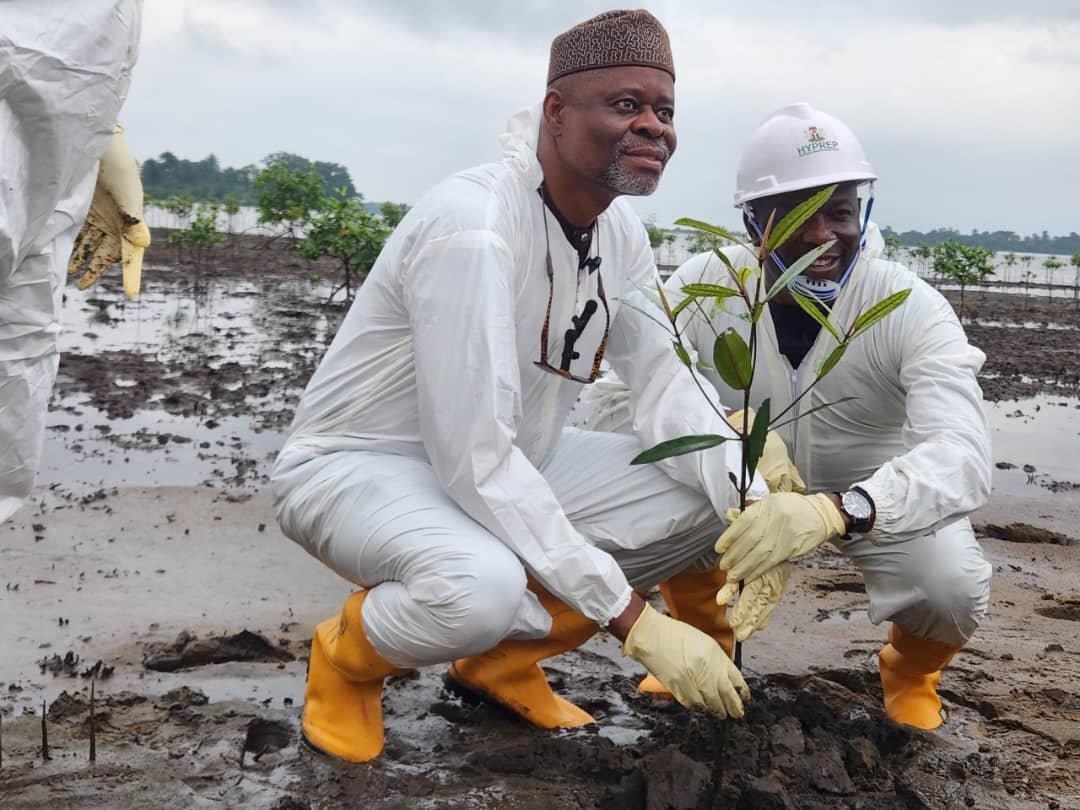
Subsequent cleanup efforts have introduced another dimension to the story: the challenge of turning an assessment into measurable, independently verifiable environmental improvement. The Hydrocarbon Pollution Remediation Project (HYPREP), established to implement the Ogoni cleanup, has reported progress in land remediation, shoreline work, mangrove restoration and water provision. Such reports are important, but progress claims must be examined alongside completion criteria, environmental monitoring and the continuing needs of communities.
The Failure File approaches Ogoniland as a case study in industrial risk and long-term accountability. It asks whether environmental obligations are embedded in project decisions early enough, whether institutions can sustain oversight after commercial priorities change, and whether restoration can be demonstrated through evidence rather than activity alone.
The lesson extends beyond petroleum. Mining, pipelines, ports, chemical facilities and large infrastructure projects all create risks that may outlive their original business cases.
Environmental responsibility is therefore not an optional addition to project delivery. It is part of the project itself—and its consequences must be accounted for accordingly.
William Bankole
Editor-in-Chief, The Project Herald
Adaora G. Lawrence
Editor, The Project Herald
THE PROJECT HERALD REVIEW
Projects • Capital • Products & Policy
THE CONTAMINATED LANDSCAPE
Inside Ogoniland’s Long Environmental Crisis
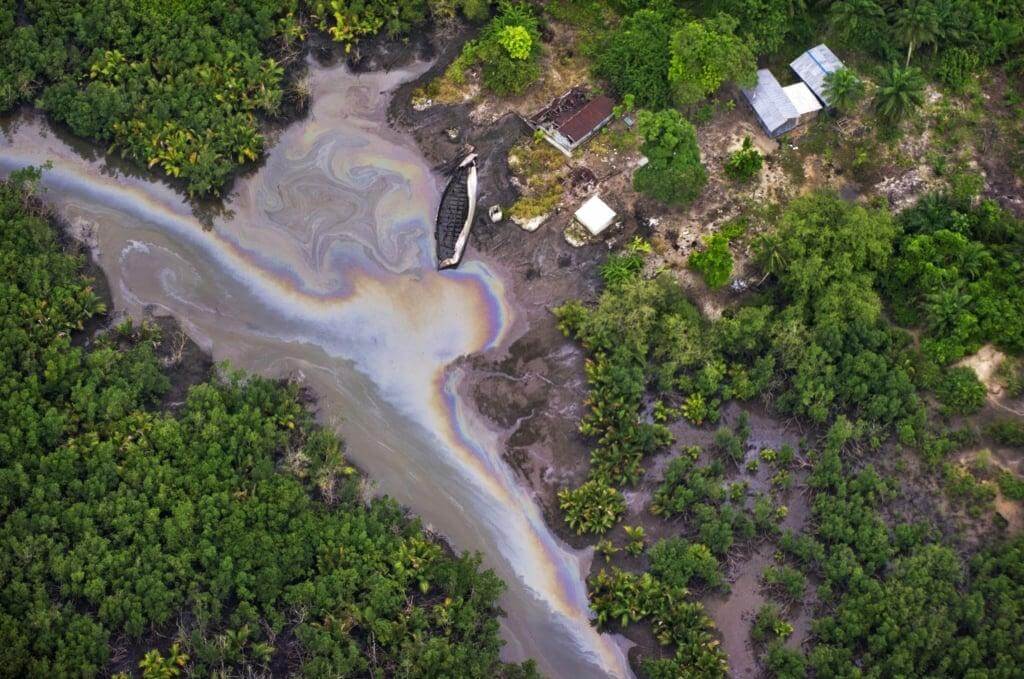
Ogoniland occupies part of Rivers State in Nigeria's Niger Delta, a region where waterways, wetlands, mangrove ecosystems, settlements and petroleum infrastructure exist in close proximity. The area's environmental vulnerability is inseparable from its geography. Water moves through connected systems; communities depend on land and waterways for livelihoods; and contamination introduced at one location can create risks beyond the immediate point of release.
The scale of the problem became clearer with UNEP's 2011 Environmental Assessment of Ogoniland. The investigation examined more than 200 locations, surveyed approximately 122 kilometres of pipeline rights of way, drilled 142 groundwater monitoring wells and assessed contamination through thousands of samples and hundreds of soil boreholes. It also reviewed more than 5,000 medical records and engaged with communities across the area.
This was not simply a photographic survey of visibly polluted locations. It was an investigation into the movement and persistence of hydrocarbons in different environmental media.
Contamination does not always remain where it first appears.
HOW CONTAMINATION MOVES
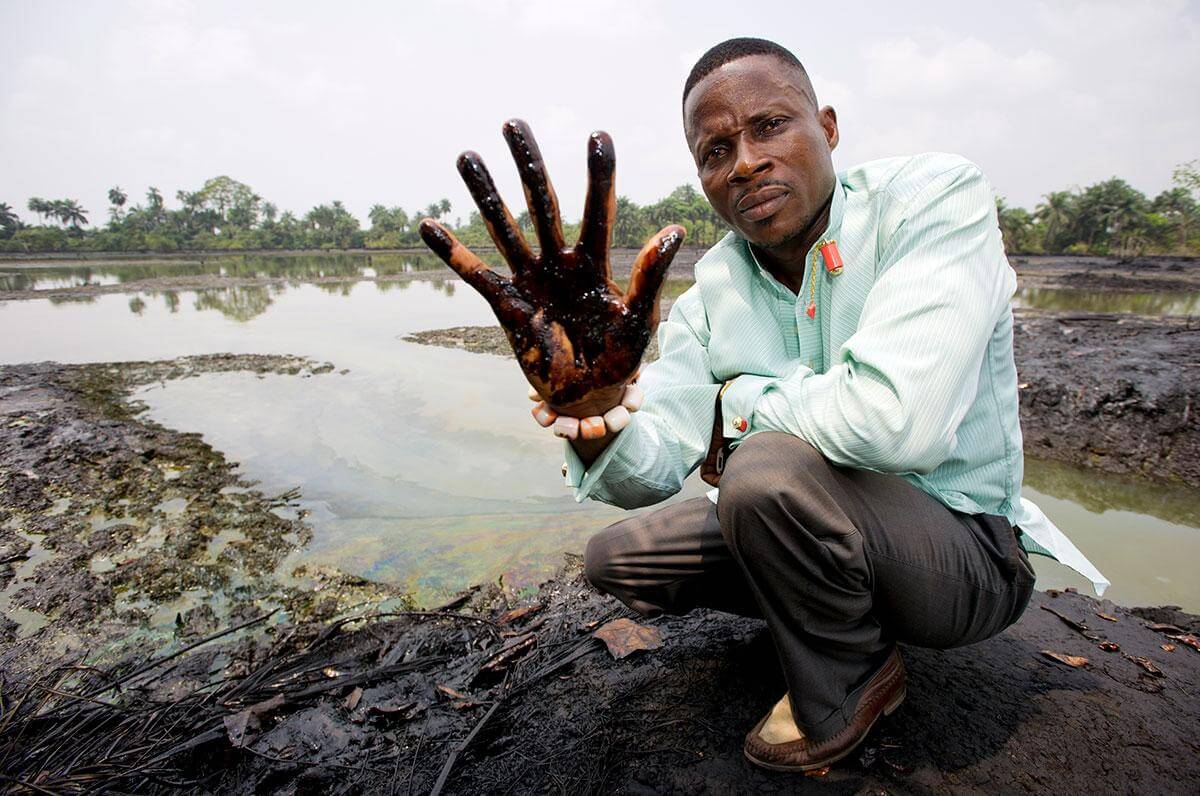
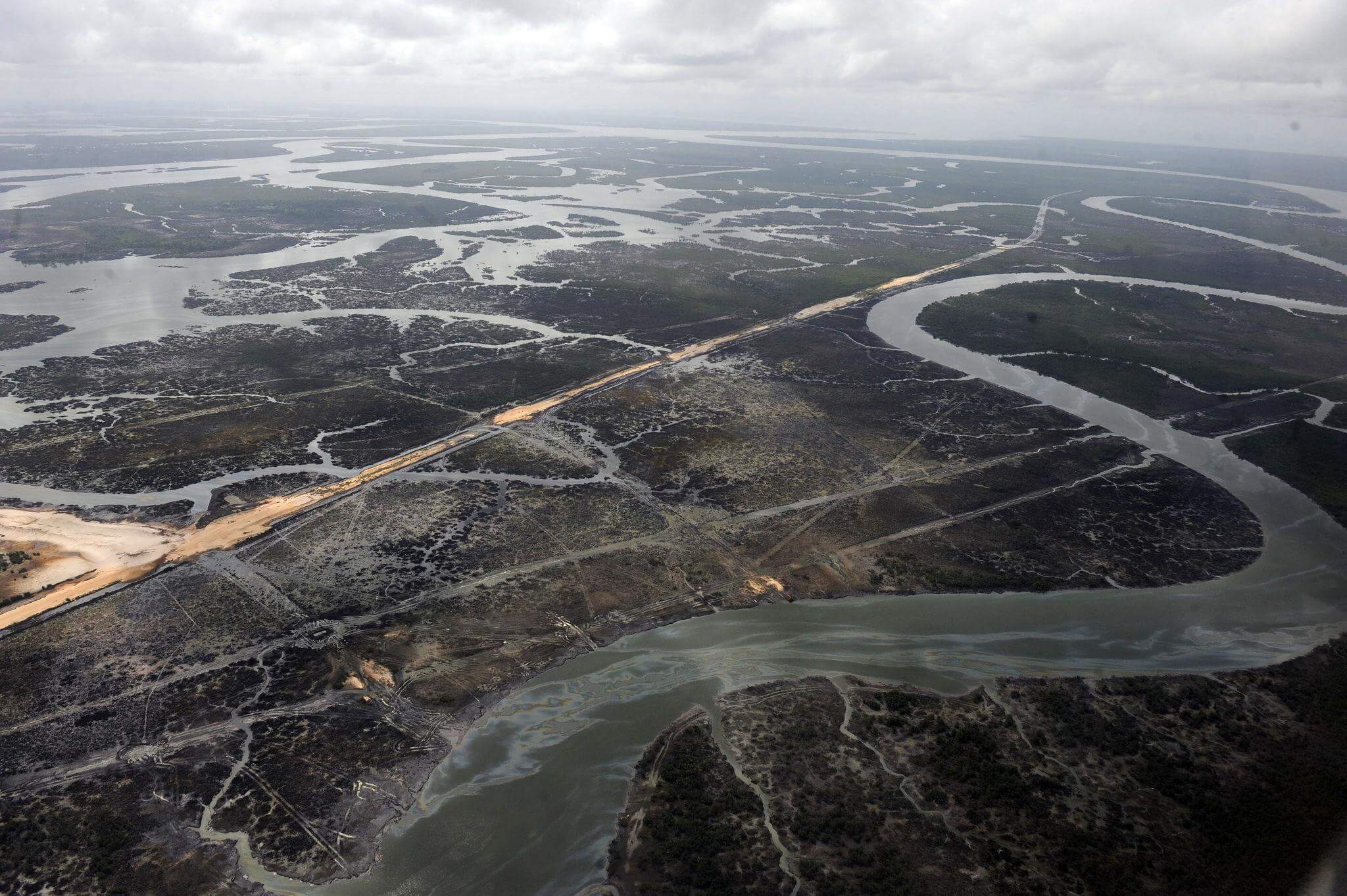
The distinction is important because environmental contamination does not always remain where it first appears. Petroleum hydrocarbons can enter soil, migrate through permeable ground and affect groundwater. In waterways and intertidal areas, oil can coat vegetation and sediments, impairing ecosystems that support fish and other aquatic life.
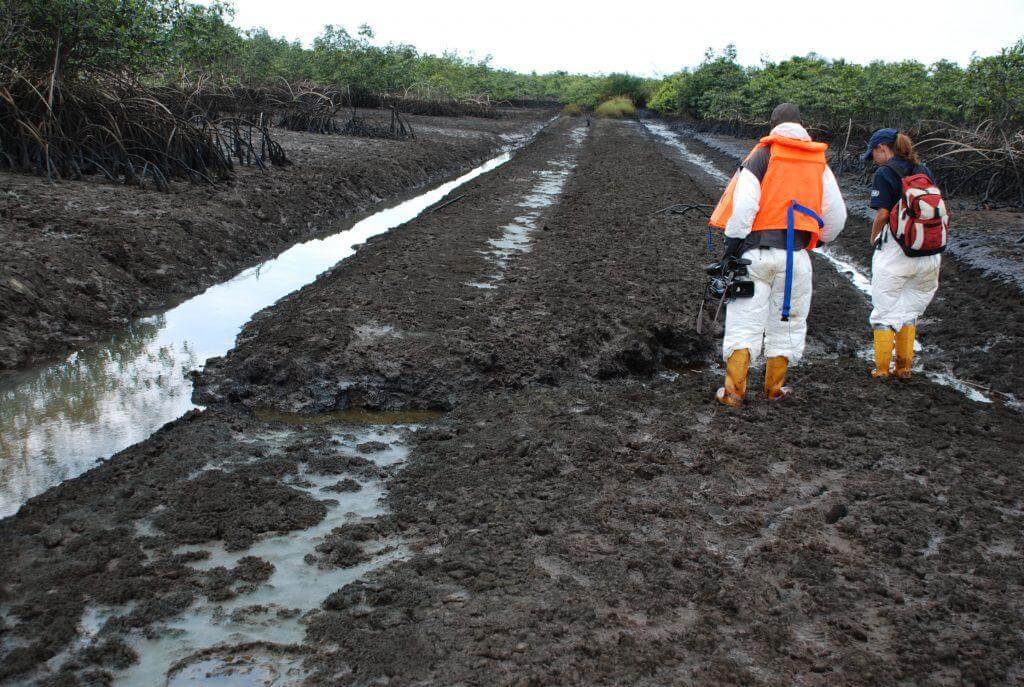
UNEP documented severe impacts on mangrove vegetation in some investigated areas. Mangroves are not merely trees along a shoreline. They provide habitat, support fisheries, help stabilise sediments and contribute to the ecological functioning of coastal environments. Their degradation can therefore produce consequences that extend into food systems and local economies.
MORE THAN ONE SOURCE
The assessment also considered the contribution of multiple pollution sources, including oil-industry activities and artisanal refining. That matters when interpreting the evidence: the environmental condition of a location must be assessed against its specific history, contamination profile and plausible sources rather than attributing every observed impact to one event or operator without investigation.
Ogoniland's crisis is consequently best understood as a connected environmental system under prolonged stress. Land contamination affects how property can be used. Water contamination raises questions about safe supply. Damaged wetlands undermine ecological functions. And each of these conditions creates additional demands for scientific investigation, remediation and monitoring.
The landscape is the starting point of the investigation because it reveals why a simple surface clean-up cannot, by itself, resolve a complex contamination problem.
The defining challenge is not merely removing visible oil. It is establishing what has been contaminated, how far the contamination extends, which risks remain and what evidence is sufficient to demonstrate recovery.
THE PROJECT HERALD REVIEW
Projects • Capital • Products & Policy
THE UNEP FINDINGS
What the Scientific Investigation Revealed
In 2011, UNEP published one of the most consequential environmental assessments undertaken in the Niger Delta. Commissioned by the Nigerian government, the investigation sought to establish the extent of oil contamination in Ogoniland and identify what would be required to restore affected environments.
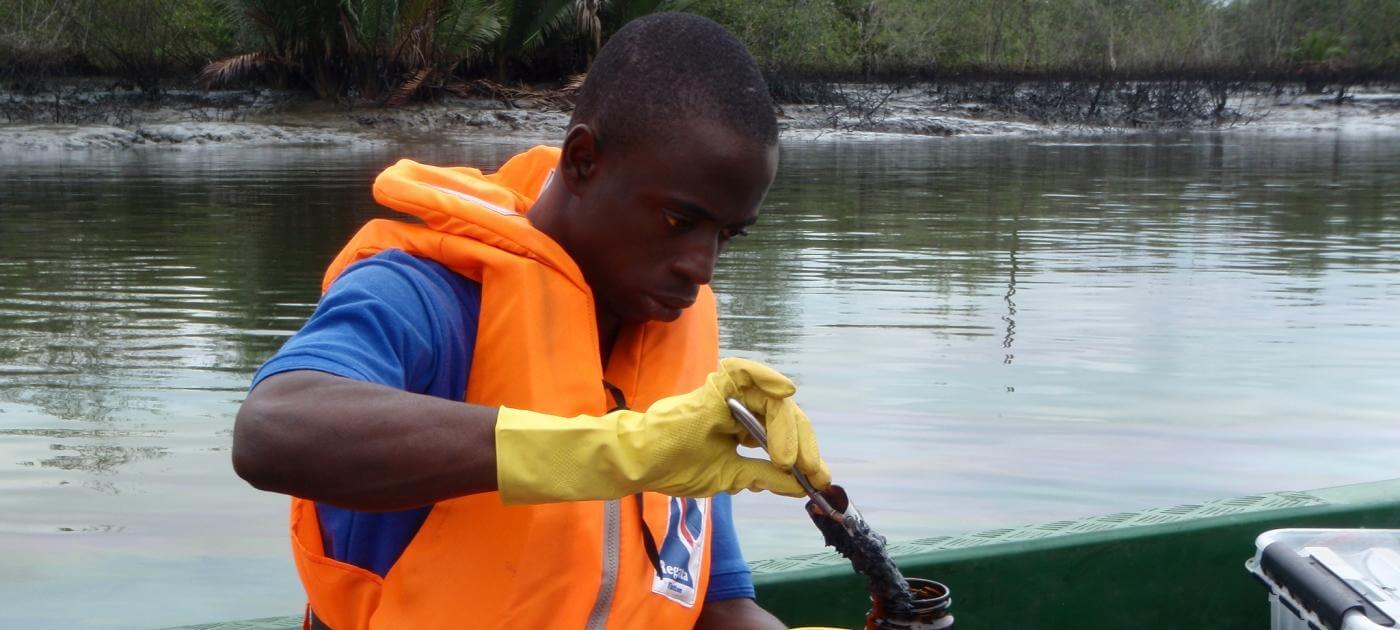
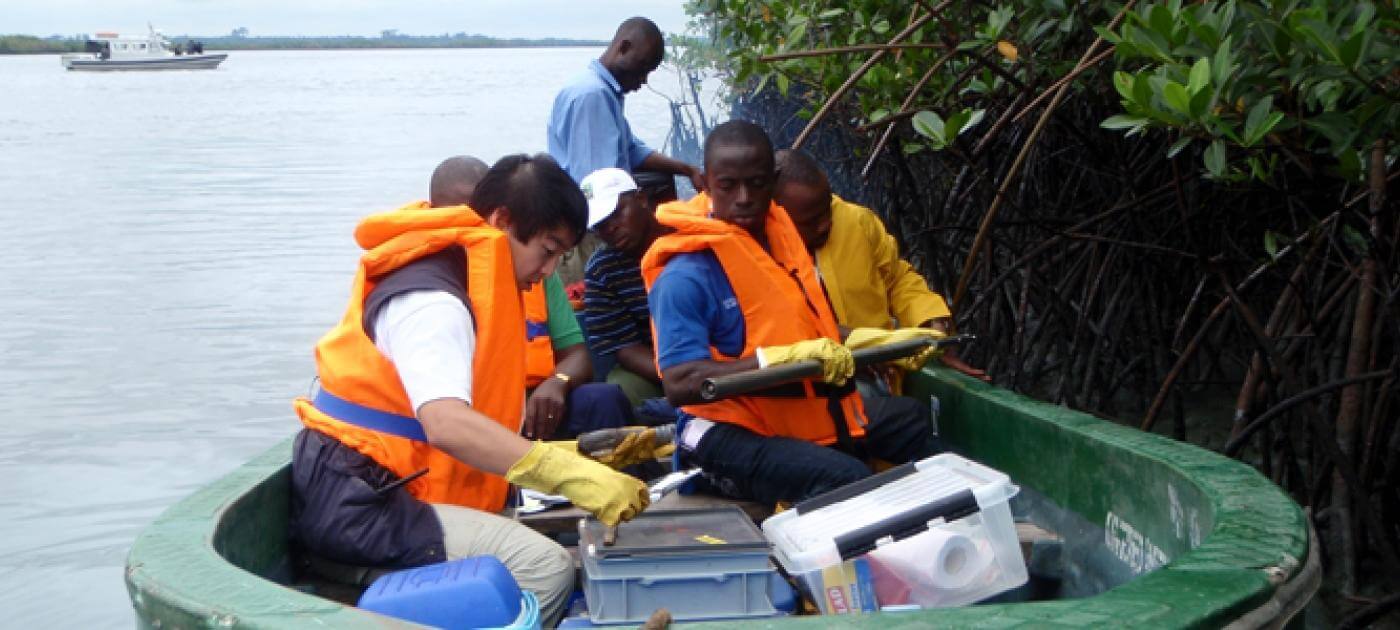
The report's importance lies in the breadth of its investigation. Rather than relying on individual spill reports or visual inspection, UNEP examined soil, groundwater, surface water, vegetation, public health information and the institutional arrangements governing petroleum operations.
Its findings were serious.
A WARNING IN THE WELLS
At Nisisioken Ogale, UNEP found benzene in drinking-water wells at concentrations exceeding the World Health Organization's guideline by more than 900 times. Benzene is a known human carcinogen. The report identified this as an urgent public-health concern requiring immediate action. The finding applies to the wells and sampling conditions investigated; it should not be misrepresented as a measurement of every water source throughout Ogoniland.
Surface appearance alone was not a reliable indicator of environmental safety.
BENEATH THE SURFACE
The assessment also found extensive hydrocarbon contamination in soil and groundwater. At some investigated sites, contamination extended several metres below the surface. UNEP reported that certain groundwater hydrocarbon concentrations were exceptionally high, illustrating why surface appearance alone was not a reliable indicator of environmental safety.
The report documented damage to mangrove vegetation and identified deficiencies in the control and maintenance of oil-industry infrastructure. It also examined institutional and regulatory weaknesses that complicated the prevention, investigation and management of pollution.
UNEP recommended emergency measures to protect affected communities, a coordinated programme of environmental restoration, improved industry practices and stronger institutional arrangements. It proposed a dedicated environmental restoration authority and an initial US$1 billion fund to begin the restoration effort.
A BASELINE, NOT A VERDICT
These findings established a baseline, not a permanent description of every site. Environmental conditions change over time, and a 2011 sample cannot establish the current contamination level of a location without subsequent testing. Equally, the existence of a cleanup programme does not establish that all identified risks have been removed.
For this reason, the report should be read as both a record of documented conditions and a framework for subsequent action. It tells decision-makers where serious risks were found, why a coordinated response was necessary and which systems required improvement.
Its continuing relevance is methodological as well as environmental: major industrial contamination requires independent sampling, traceable evidence, transparent standards and follow-up verification.
Without these controls, the difference between a completed activity and a genuinely restored environment can become difficult to establish.
Primary source: UNEP, Environmental Assessment of Ogoniland (2011). Read the original assessment
THE PROJECT HERALD REVIEW
Projects • Capital • Products & Policy
WHEN WATER BECAME A RISK
Groundwater Contamination and the Failure of Environmental Protection
Water contamination changes the meaning of environmental damage. Pollution on an unused patch of land may require investigation and restoration; contamination affecting a community's drinking-water source creates an immediate question of human exposure.
In Ogoniland, UNEP's 2011 assessment documented hydrocarbon contamination in groundwater and identified a particularly serious case at Nisisioken Ogale. Benzene concentrations in the investigated drinking-water wells exceeded the World Health Organization's guideline by more than 900 times. UNEP treated the finding as an emergency that required action ahead of other remediation work.
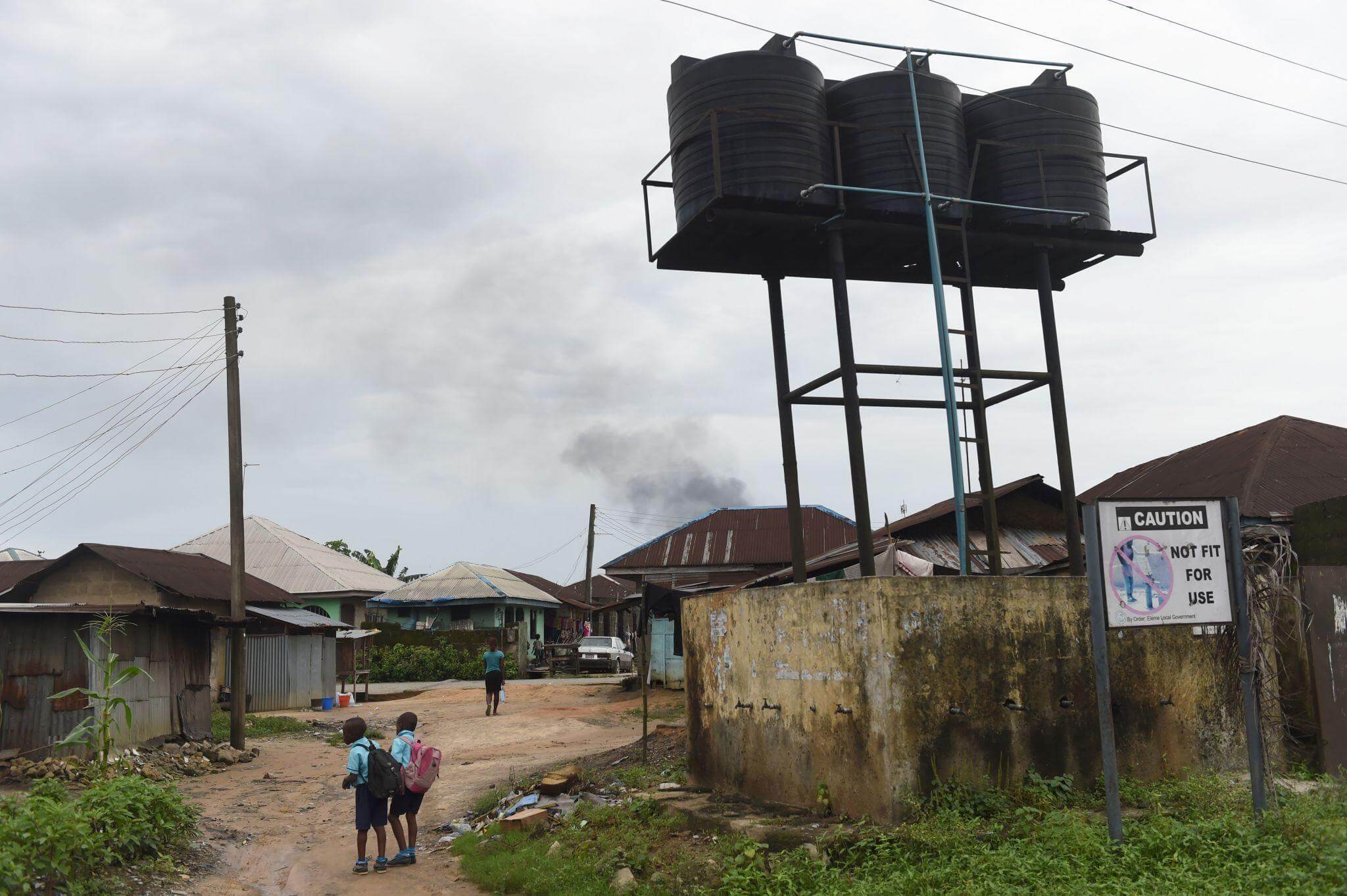
The significance of this result is not simply the size of the number. It is what the number represents: a potentially hazardous substance detected in water people were using for domestic purposes.
Benzene is associated with serious health risks, including cancer. Exposure depends on concentration, duration, route and other circumstances. The UNEP finding establishes a serious contamination concern, but it does not by itself diagnose illness in individual residents or prove the cause of every health problem reported in the region. Such conclusions require appropriate epidemiological and clinical evidence.
A PROBLEM THAT STAYS HIDDEN
Groundwater contamination can also be technically difficult to manage. Petroleum products contain different compounds with different physical and chemical properties. Their movement depends on soil composition, groundwater flow, the depth and distribution of contamination, and the characteristics of the released material. Contamination can remain below the surface even when the original spill is no longer visible.
A water source should not be considered safe because it looks clear.
PROTECTING PEOPLE FIRST
The response must therefore begin with protecting people. Where a water source is found to be unsafe, authorities must communicate the risk clearly, provide a safe alternative and establish a reliable monitoring programme. Testing should cover the contaminants relevant to the site's history and should be repeated at intervals appropriate to the risk.
A water facility, meanwhile, is not a complete solution merely because it has been constructed. Its value depends on water quality, adequate supply, reliable operation, maintenance, affordability and the ability of intended users to access it. The performance of a water programme must be measured by sustained access to safe water, not just the number of installations.
This distinction is especially important in long-term cleanup programmes. Emergency drinking-water provision can reduce immediate exposure, while remediation of contaminated groundwater may require a separate and much longer technical process.
The two interventions should not be confused. A replacement water source protects people from exposure; it does not necessarily remove the contamination from the original aquifer.
The commercial and institutional lesson is direct: environmental monitoring must be connected to public-health protection. Detection without a timely response leaves people exposed, while infrastructure without dependable operations can fail to deliver its intended protection.
A water source should not be considered safe because it looks clear, and a cleanup should not be considered successful until the relevant evidence demonstrates that the risk has been adequately controlled.
THE PROJECT HERALD REVIEW
Projects • Capital • Products & Policy
THE PIPELINE PROBLEM
Oil Spills, Infrastructure Integrity and Operational Risk
Pipelines are critical assets in petroleum operations. They connect production facilities with processing plants, terminals and other points in the supply chain. Their commercial value depends on reliable operation, but their environmental risk depends on whether integrity is maintained throughout their service life.
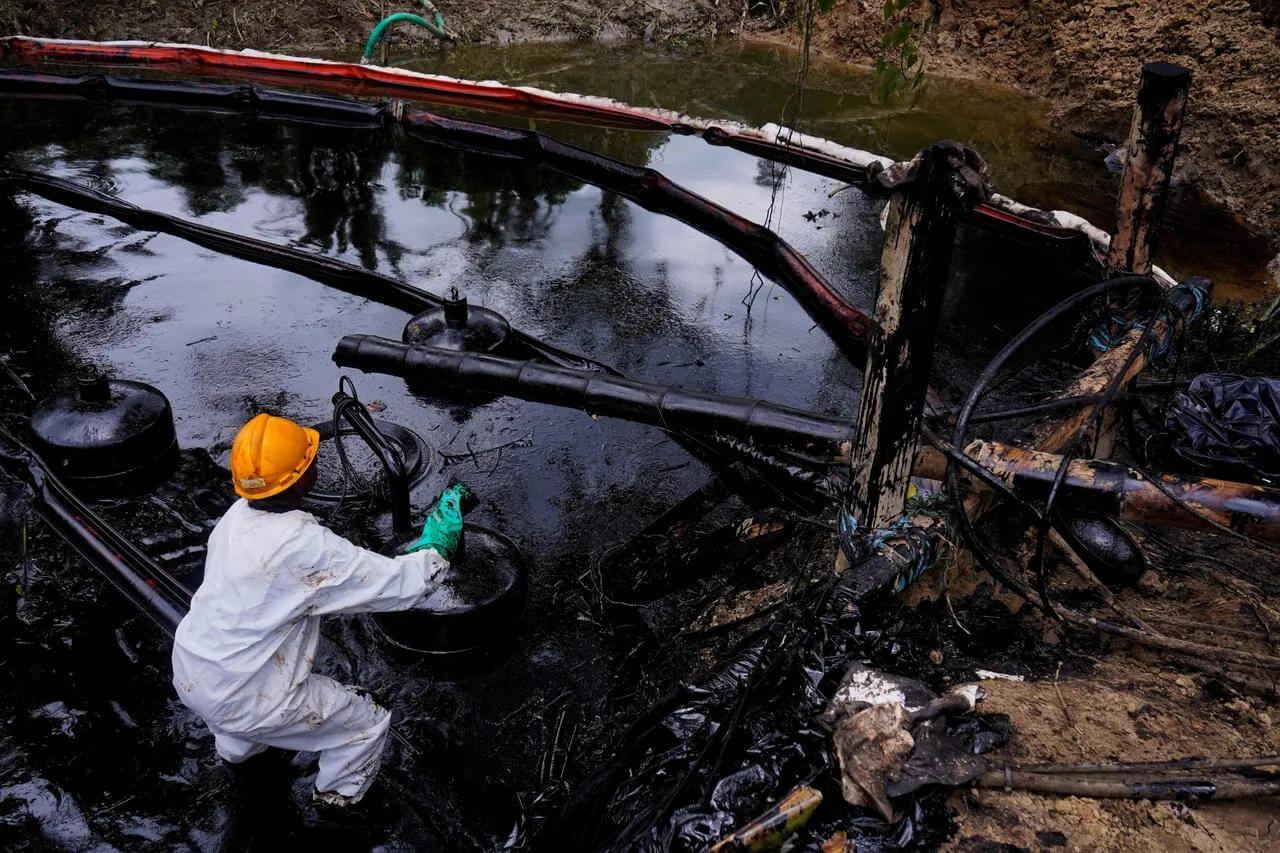
UNEP's 2011 assessment of Ogoniland raised serious concerns about oil-industry infrastructure control and maintenance. It reported that the operating company's own procedures had not been adequately applied in the areas examined, creating public-health and safety concerns. The finding placed asset integrity and operational discipline among the central issues in the environmental investigation.
MANY CAUSES, NO SHORTCUTS
A pipeline failure can have several possible causes. Corrosion can progressively reduce wall thickness. Mechanical damage can compromise a pipe. Equipment failure, faulty installation, inadequate inspection and operational mistakes can create vulnerabilities. In some settings, deliberate interference or sabotage may also contribute to releases.
These mechanisms are not interchangeable. Establishing the cause of an individual spill requires evidence about the asset, its condition, operating history, the release location and the circumstances of the incident. It would be inaccurate to assign one cause to every spill across Ogoniland.
A pipeline is not adequately managed simply because it continues to transport product.
WHAT INTEGRITY MANAGEMENT REQUIRES
The risk-management question, however, is broader than identifying the cause after a release. Operators must know which assets are exposed to degradation, how their condition is being monitored, which defects require intervention and whether repair or replacement decisions are being completed within an appropriate timeframe.
An effective pipeline-integrity programme combines asset records, risk-based inspection, corrosion management, leak detection, preventive maintenance, emergency preparedness and documented close-out of corrective actions. Inspection is of limited value if serious findings remain unresolved or if management cannot demonstrate that required repairs were completed.
Where a release occurs, the response should include stopping or controlling the source, protecting people, containing the spread, notifying the appropriate authorities, investigating the event and undertaking a scientifically appropriate cleanup. The environmental response must also account for the possibility that hydrocarbons have migrated beyond the visibly affected area.
THE COMMERCIAL STAKES
The commercial implications are substantial. A spill can interrupt operations, damage assets, trigger investigation and remediation costs, create legal exposure and undermine relationships with host communities. It can also reveal weaknesses in maintenance systems that may exist elsewhere in the operator's portfolio.
The cost of prevention should therefore be assessed against the full range of potential consequences, not simply the price of routine inspection. A deferred maintenance task may appear to save money in the short term while increasing the probability and potential cost of a major failure.
Ogoniland demonstrates why infrastructure integrity cannot be separated from environmental responsibility. A pipeline is not adequately managed simply because it continues to transport product. Its condition, risk controls and environmental consequences must remain visible throughout its operating life.
For project owners and financiers, the question is whether the integrity-management system can demonstrate that risks are identified, prioritised and controlled—not merely whether a maintenance policy exists on paper.
THE PROJECT HERALD REVIEW
Projects • Capital • Products & Policy
WHY REMEDIATION IS SO DIFFICULT
The Science, Cost and Complexity of Restoring Contaminated Land
Removing oil from the surface of contaminated land is not the same as restoring the land itself.
That distinction lies at the centre of the Ogoniland cleanup. Petroleum contamination can penetrate soil, migrate into groundwater and affect vegetation and aquatic ecosystems. The appropriate response depends on what is present, where it has travelled, how it behaves under local conditions and which uses the restored site is expected to support.
UNEP's 2011 assessment found that some contaminated areas required intervention well below the visible surface. It warned that places which appeared relatively unaffected could still contain serious underground contamination. The finding undermined the assumption that visual inspection alone could establish whether a site was safe.
CHARACTERISE, THEN TREAT
A technically sound remediation programme begins with site characterisation. Investigators collect samples, establish the distribution and concentration of contaminants, examine the relevant environmental conditions and assess the risks to people and ecosystems. The resulting evidence informs a remediation action plan.
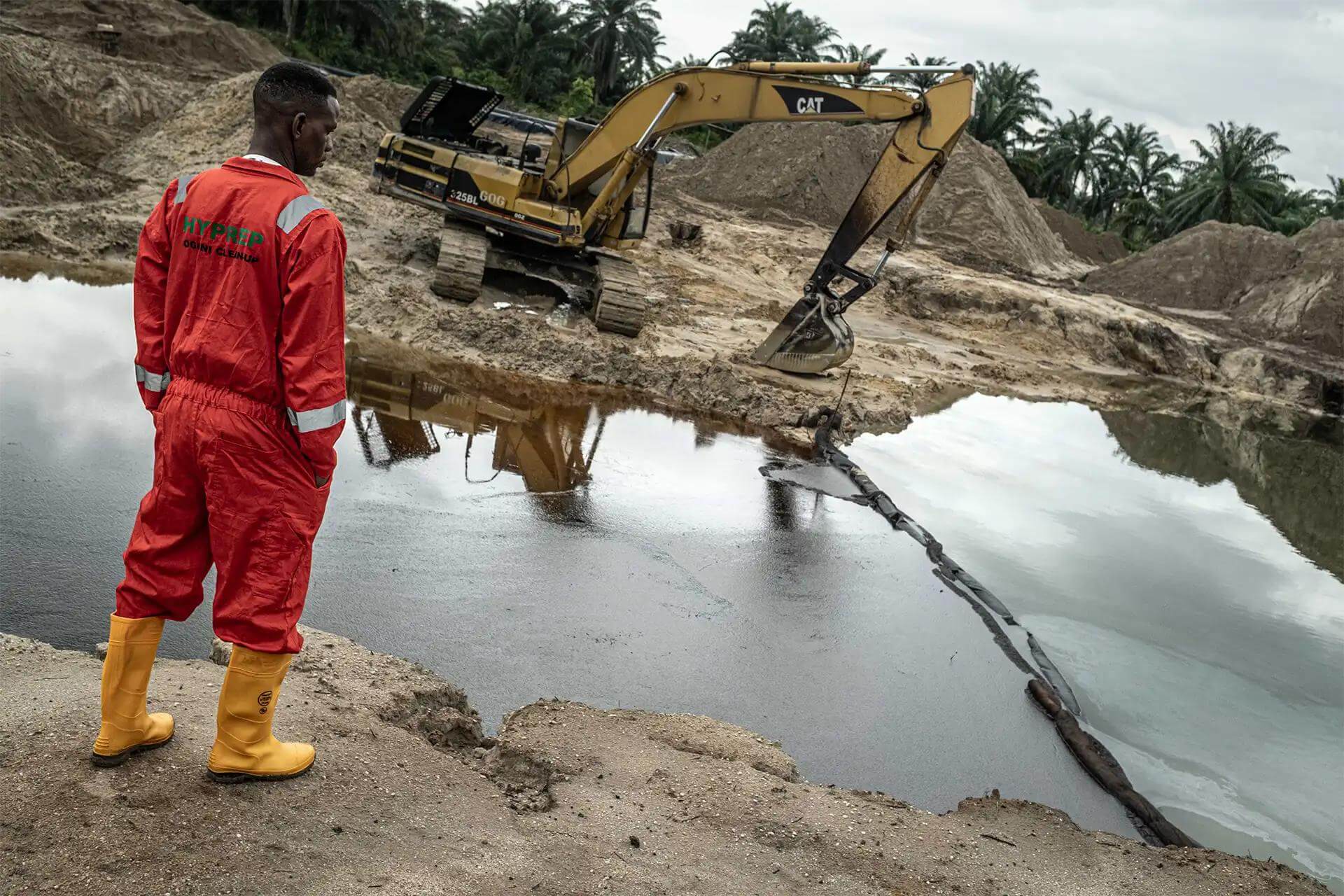
Treatment methods must be selected for the particular site. Depending on the contamination and site conditions, options can include excavation and treatment of affected soil, biological treatment, soil washing, containment, groundwater treatment or other engineered approaches. These methods are not universally suitable, and their effectiveness depends on the contaminants, the treatment design and the operating conditions.
Bioremediation, for example, uses microorganisms to break down certain contaminants under appropriate conditions. It may be effective for some petroleum hydrocarbons, but performance can be constrained by contaminant composition, toxicity, nutrient availability, oxygen conditions and the physical properties of the soil. It is not a universal remedy for every form of oil contamination.
A site should not be declared remediated merely because treatment activities have stopped.
THE WORK AROUND THE WORK
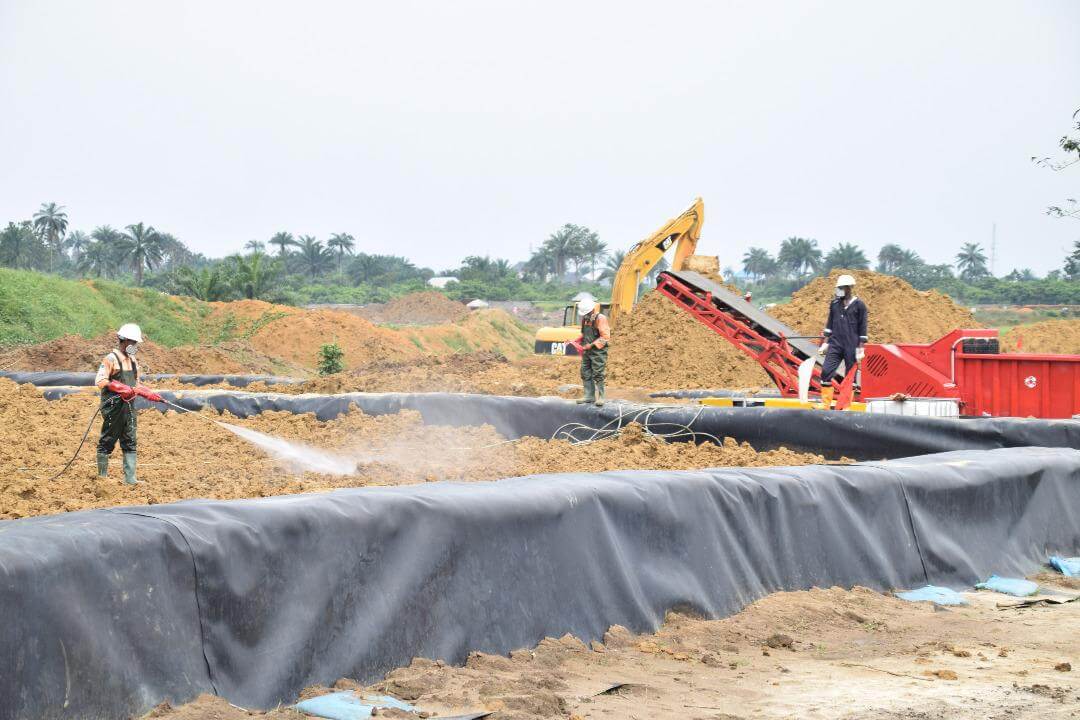
Remediation also generates its own management requirements. Excavated material must be handled and transported safely. Treatment areas need environmental controls. Workers require appropriate protection. Waste must be tracked and managed through an authorised route. Monitoring must establish whether the treatment is achieving the required outcome.
A site should not be declared successfully remediated merely because treatment activities have stopped. Verification requires evidence that the applicable cleanup criteria have been met and that residual risks are understood and acceptably controlled. Depending on the site, this may require additional sampling, groundwater monitoring and restrictions on particular land uses.
The challenge is amplified where contamination is extensive, multiple sources are suspected or the environmental system is interconnected. A successful intervention in one area does not automatically establish that adjacent land or groundwater is safe.
A LONG-TERM UNDERTAKING
This is why UNEP envisaged a long-term restoration effort rather than a short campaign of surface cleaning. The report estimated that restoring Ogoniland's environment could take 25 to 30 years. That estimate reflected the scale and complexity of the challenge identified in 2011; actual completion must be assessed against evidence and milestones.
For project managers, remediation is a technical delivery programme with defined scope, acceptance criteria, quality assurance, stakeholder communication and long-term monitoring. Treating it as a cosmetic exercise risks leaving the underlying hazard unresolved.
The real measure of success is not how much contaminated material has been moved or how many sites have been visited. It is whether the intervention has reduced the relevant risks and achieved a defensible, independently verifiable environmental outcome.
THE PROJECT HERALD REVIEW
Projects • Capital • Products & Policy
THE HUMAN COST
Livelihoods, Fishing, Farming and the Burden on Local Communities
Environmental contamination is often recorded in concentrations, hectares, sampling points and remediation milestones. For the people who live in affected areas, however, the consequences are also experienced through ordinary activities: collecting drinking water, cultivating land, fishing, gathering resources and maintaining a household.
Ogoniland's waterways and wetlands form part of a landscape in which environmental health and economic life are closely connected. Where pollution damages mangroves, affects water quality or renders land unsuitable for particular uses, the consequences can extend beyond the immediate footprint of an oil spill.
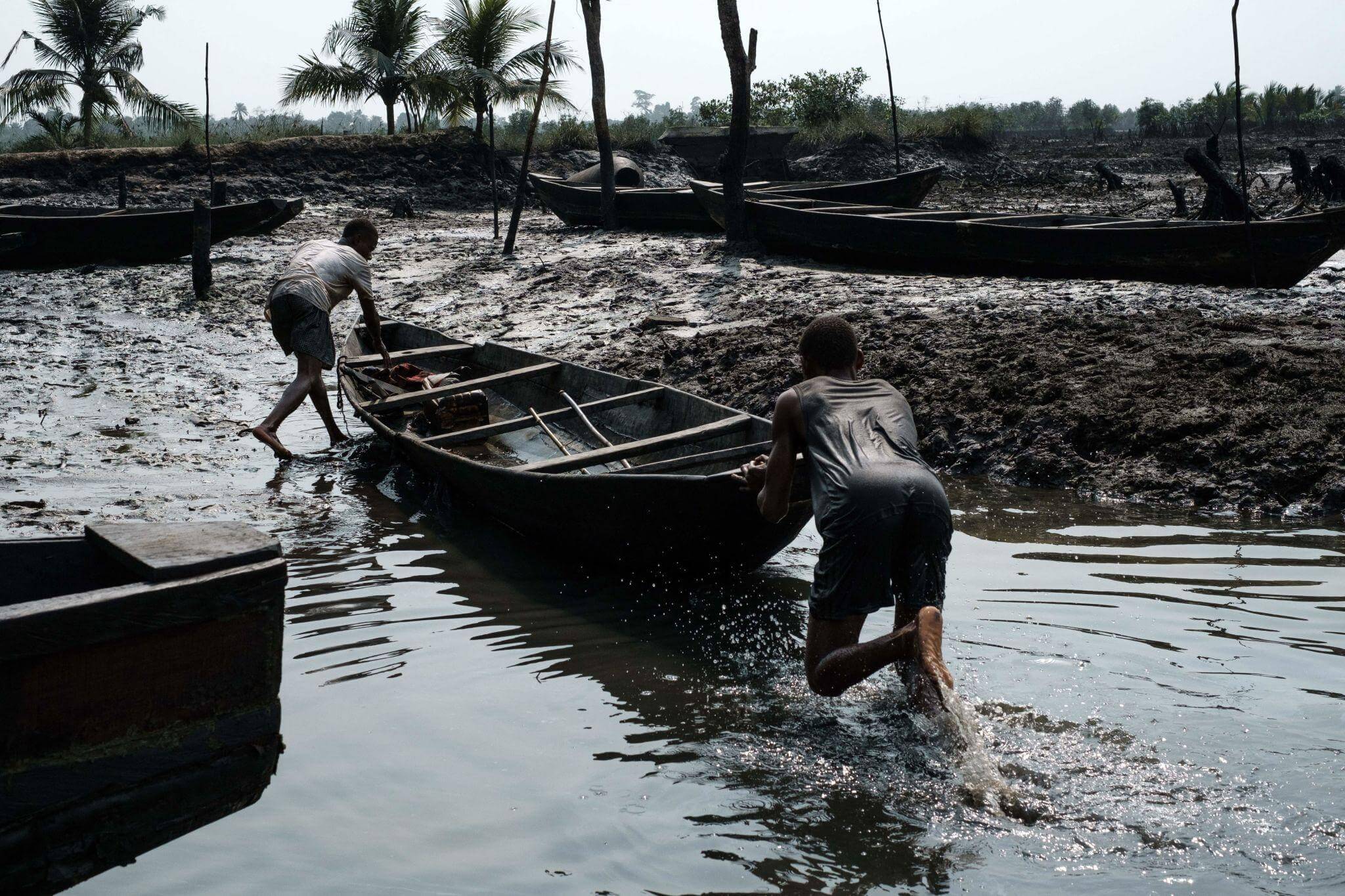
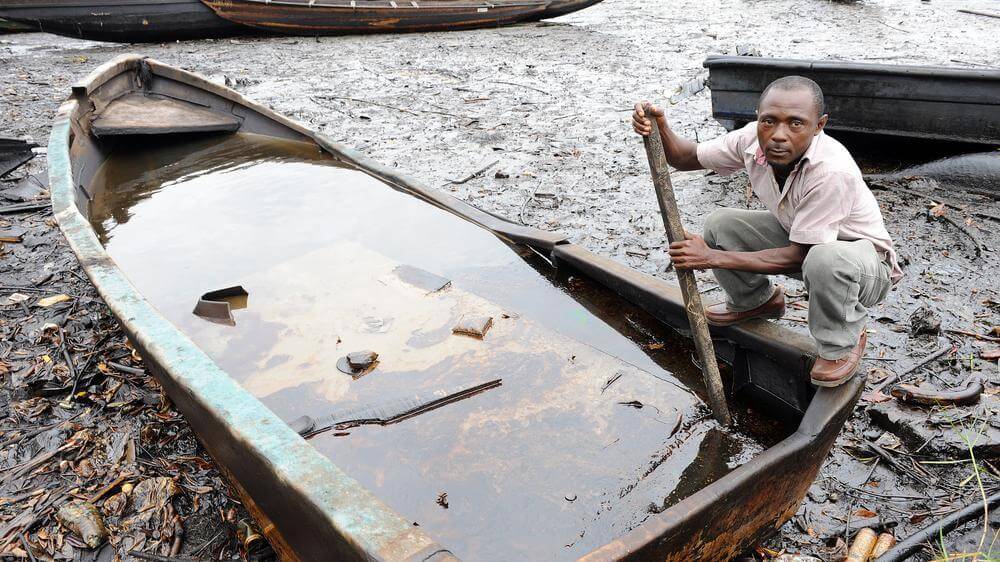
Fishing communities depend on functioning aquatic ecosystems and accessible waterways. Farmers require land that can support cultivation without unacceptable contamination risks. Households need reliable water sources. When these resources become degraded or inaccessible, families may face additional expenses, reduced earning opportunities or the need to change how they make a living.
The precise consequences vary from community to community. They should not be reduced to a single estimate without reliable evidence. Nor should every reported illness, income loss or ecological change be attributed to petroleum contamination without an appropriate assessment. Establishing individual health outcomes and economic losses requires specific data.
UNEP's assessment nevertheless documented environmental conditions serious enough to demand urgent protection and long-term restoration. Its findings established that contamination was not simply an aesthetic problem. It presented risks to water resources, ecosystems and the ability of affected environments to support productive use.
Consultation must be more than a meeting held before work begins.
DESIGNING RECOVERY WITH COMMUNITIES
The human dimension also changes how cleanup programmes should be designed. Communities need clear information about identified hazards, the status of remediation and the availability of safe water. Residents should have meaningful opportunities to raise concerns, understand decisions and access appropriate complaint or grievance mechanisms.
Consultation must be more than a meeting held before work begins. Communities need understandable explanations of the remediation methods being used, the limitations of the work, the expected duration and the evidence that will be used to determine whether a site is safe for its intended use.
LIVELIHOODS ARE NOT REMEDIATION
Livelihood restoration also requires attention. Training programmes and business-support initiatives can help expand economic options, but participation figures alone do not demonstrate lasting benefits. Relevant measures include whether people secure sustainable employment, establish viable enterprises, regain productive access to resources or experience measurable improvements in household economic security.
Compensation and livelihood support are distinct from environmental remediation. Financial assistance may address certain losses, but it does not clean contaminated groundwater. Likewise, successful soil treatment does not automatically restore income lost during years of environmental disruption.
A credible recovery programme must recognise these different needs rather than assume one intervention can resolve them all.
For project owners and public institutions, the lesson is that affected communities are not peripheral stakeholders. They are among the people who experience the consequences of project failure most directly, and their ability to live safely and productively is an essential measure of whether recovery is working.
THE PROJECT HERALD REVIEW
Projects • Capital • Products & Policy
THE ACCOUNTABILITY GAP
Regulation, Responsibility and the Challenge of Enforcement
Environmental standards have limited value if the institutions responsible for applying them cannot consistently detect breaches, enforce corrective action and verify compliance.
Ogoniland's environmental crisis raises difficult questions about how responsibility is distributed among operators, regulators, public authorities and the institutions charged with restoration. It also demonstrates why environmental accountability must be examined across the full life of an industrial asset.
UNEP's 2011 assessment identified weaknesses in the implementation of oil-industry procedures and raised concerns about regulatory practices. Its findings pointed to a gap between the existence of rules and the reliable application of controls in the field.
WHERE THE GAP OPENS
That gap can emerge in several ways. Inspections may be inadequate or poorly targeted. Monitoring information may not be accessible or comparable across institutions. Corrective actions may be delayed. Responsibilities can become fragmented between organisations. Communities may struggle to obtain timely, understandable information about environmental conditions and the status of remediation.
These are governance risks, not proof that every institution or every operator failed in the same way. Accountability requires a careful examination of particular decisions, obligations, records and events.
An effective regulatory system needs clear standards, technically competent inspectors, reliable reporting requirements and the authority to require corrective action. It also needs a documented trail showing what was observed, who was responsible for responding, which actions were taken and whether the problem was resolved.
Environmental incidents require equally rigorous investigation. Records should establish the location and timing of the release, the condition of the asset, relevant operating data, the immediate response and the results of environmental sampling. Where causes remain disputed, uncertainty should be acknowledged rather than replaced with assumptions.
Environmental governance is a chain. A break at any point can create a long-term liability.
A DEDICATED PROGRAMME, STILL UNDER SCRUTINY
The institutional response to Ogoniland has included the establishment of HYPREP to implement the cleanup programme. Its mandate encompasses environmental remediation and related interventions, including water provision, mangrove restoration and livelihood support. This provides an institutional framework for action, but the existence of a dedicated programme does not remove the need for transparent procurement, independent technical scrutiny and public accountability.
A restoration programme should publish clear information about its objectives, budgets, contracts, milestones and verified outcomes. Independent review can help establish whether completed works meet the required standards. Public reporting can allow affected communities and other stakeholders to understand progress and identify unresolved issues.
Accountability also extends to the period after a contractor leaves a site. A project needs a clear handover process, records of residual risks, responsibility for ongoing monitoring and an agreed response if performance deteriorates.
THE CHAIN OF CONTROL
The wider lesson is that environmental governance is a chain. Standards must be translated into operating procedures; procedures must be implemented; performance must be monitored; breaches must trigger action; and outcomes must be verified.
A break at any point can allow a manageable operational risk to become a long-term environmental liability.
For investors and project owners, regulatory compliance should therefore be evaluated through evidence of actual control, not merely through the existence of policies, permits or formal reporting systems.
THE PROJECT HERALD REVIEW
Projects • Capital • Products & Policy
THE REMEDIATION ECONOMY
Funding, Contractors and the Business of Environmental Recovery
Environmental remediation creates a complex project-delivery environment. It requires scientific investigation, engineering, specialist equipment, laboratories, waste management, environmental monitoring, community engagement and, in some cases, years of follow-up work.
In Ogoniland, the scale of the challenge identified by UNEP required a coordinated restoration effort rather than isolated interventions. The report recommended an initial US$1 billion environmental restoration fund. That figure was a recommendation made in 2011, not a statement of the programme's current budget or its total expenditure to date.
The commercial structure of a cleanup programme matters because the quality of procurement and contract management can influence the environmental result.
A CHAIN OF SPECIALISTS
A typical remediation project may involve several stages: preliminary investigation, site characterisation, remediation planning, contractor mobilisation, treatment, sampling, verification and long-term monitoring. Each stage produces information or work that must meet defined technical requirements before the programme can safely advance.
Contractors may specialise in different parts of this chain. Environmental consultants undertake site investigations and risk assessments. Laboratories analyse samples. Remediation firms apply treatment technologies. Civil and mechanical contractors construct necessary infrastructure. Waste-management providers handle materials generated during the work. Independent specialists may review methods or verify results.
These roles require different competencies. A contractor with general construction experience is not automatically qualified to design or execute complex hydrocarbon remediation. Procurement decisions should therefore assess relevant technical experience, personnel qualifications, equipment, quality systems, environmental safeguards and demonstrated performance.
Payment linked only to activity can reward activity without establishing recovery.
DEFINING COMPLETION
Contracts should also define what constitutes completion. Payment linked only to equipment mobilisation, quantities excavated or treatment days completed can reward activity without adequately establishing environmental recovery. Where appropriate, milestones should include approved plans, traceable sampling records, quality-control documentation, compliance with treatment requirements and verified results.
This does not mean every remediation contract should transfer all environmental risk to the contractor. Contamination conditions can be uncertain, and a contractor cannot reasonably guarantee outcomes outside its control. Contracts must allocate responsibilities transparently, including how unforeseen contamination, changed site conditions and additional work will be managed.
Procurement transparency is equally important. Clear tender requirements, documented evaluation criteria, conflict-of-interest controls and independent oversight help protect public resources and support confidence in technical decisions.
ACTIVITY VERSUS OUTCOME
The economic opportunity is real: environmental recovery can create demand for local expertise, laboratories, specialist services, equipment, training and long-term monitoring. Yet this market should not be measured only by contract awards or the volume of expenditure.
Its ultimate purpose is to deliver environmental improvement. Commercial success and environmental success must be connected, but they are not identical.
A large contract may deliver substantial activity without demonstrating that contamination has been adequately controlled. Conversely, a technically effective intervention may require careful sequencing and monitoring that do not produce immediate visual results.
The most valuable remediation market is therefore one built around competence, transparency and measurable outcomes. It should create incentives for contractors to solve the environmental problem, not simply to process the work.
For project owners and financiers, the essential procurement question is straightforward: are funds being spent on verifiable risk reduction, and can the evidence demonstrate what that expenditure has achieved?
THE PROJECT HERALD REVIEW
Projects • Capital • Products & Policy
THE COST OF ENVIRONMENTAL FAILURE
Commercial Liability, Investor Exposure and Operational Risk
The commercial cost of environmental failure extends beyond the immediate expense of stopping a leak or cleaning an affected site. Depending on the circumstances, it can include asset repairs, operational interruption, investigation, remediation, legal proceedings, compensation, regulatory action, financing constraints and damage to business relationships.
Ogoniland illustrates why environmental liabilities should be considered throughout the project lifecycle. The environmental assessment published by UNEP in 2011 documented contamination that required a coordinated restoration effort extending far beyond the response to any single spill.
LIABILITY ON A DIFFERENT CLOCK
For an operator, the financial consequences of contamination may emerge at different times. Some costs occur immediately, such as emergency response and repairs. Others develop as the extent of contamination becomes clearer, as additional monitoring identifies risks or as remediation requirements are established. Long-term obligations may continue after production has stopped or an asset has changed ownership.
This creates a challenge for project valuation. If environmental liabilities are omitted, underestimated or poorly documented, the apparent economics of an asset can differ materially from its eventual financial burden.
A project appraisal that ignores the cost of environmental failure is incomplete.
WHAT INVESTORS AND LENDERS SHOULD EXAMINE
Investors and lenders therefore need to examine more than production forecasts and capital expenditure. Environmental due diligence should consider the history of spills, the condition of critical infrastructure, outstanding remediation obligations, compliance records, relevant legal claims, environmental permits and the adequacy of financial provisions for identified risks.
Where information is incomplete, that uncertainty should be reflected in the assessment rather than treated as evidence that no liability exists.
The implications also extend to insurance. Coverage depends on the specific policy wording, exclusions, applicable law, timing and circumstances of the event. Pollution-related losses are not automatically covered by every policy, and historic contamination may present different issues from a sudden accidental release. Insurers and insured parties need reliable records to establish the scope of the risk.
REPUTATION IS NOT REMEDIATION
Environmental performance can influence a company's relationship with host communities, regulators, customers and capital providers. Repeated incidents or weak disclosure may undermine confidence, while transparent reporting and credible corrective action can help demonstrate that identified risks are being managed.
However, reputational management cannot substitute for remediation. Public communication may explain an intervention, but it cannot establish that groundwater is safe or that a contaminated site meets its cleanup criteria.
For infrastructure developers and contractors, the same principle applies. Environmental risks need to be identified before work begins, included in project planning and monitored during execution. A failure to manage contaminated soil, hazardous waste or accidental releases can affect programme schedules, create additional costs and expose the project to enforcement action.
The wider financial lesson is that environmental risk is not separate from commercial risk. It can affect cash flow, asset value, project completion, legal exposure and the ability to secure future capital.
A project appraisal that accounts for revenue but ignores the cost of environmental failure is incomplete.
Ogoniland's experience makes the point starkly: the economic life of an industrial asset may be much shorter than the period required to manage its environmental consequences. Responsible capital allocation must recognise both timelines.
THE PROJECT HERALD REVIEW
Projects • Capital • Products & Policy
HSE & ENVIRONMENTAL INTELLIGENCE
What Effective Spill Prevention and Remediation Assurance Require
Health, Safety and Environment (HSE) systems are intended to identify hazards, control operational risks and protect people and the environment. Their effectiveness depends not on the volume of documentation they produce but on whether critical controls work in practice.
The Ogoniland assessment provides a case study in why environmental risk management must extend beyond incident response. UNEP documented serious contamination and identified weaknesses in the control and maintenance of petroleum infrastructure. The findings illustrate the importance of preventing releases, detecting problems early and verifying that corrective actions are effective.
KNOW THE ASSET, KNOW THE RISK
An effective environmental assurance system begins with a reliable understanding of the assets and activities that create risk. Operators need current infrastructure records, inspection histories, environmental baselines, spill-response procedures and clear responsibilities for action.
Risk assessment should be specific to the operating environment. A pipeline crossing wetlands or passing near a community water source presents different potential consequences from one located in a less sensitive setting. The likelihood of failure matters, but so does the severity of the impact if a release occurs.
Preventive controls must then be matched to the identified risks. These may include corrosion monitoring, inspection, maintenance, leak detection, operational limits, emergency shutdown arrangements and preparedness exercises. The selection of controls should follow the technical characteristics of the asset and the hazards it presents.
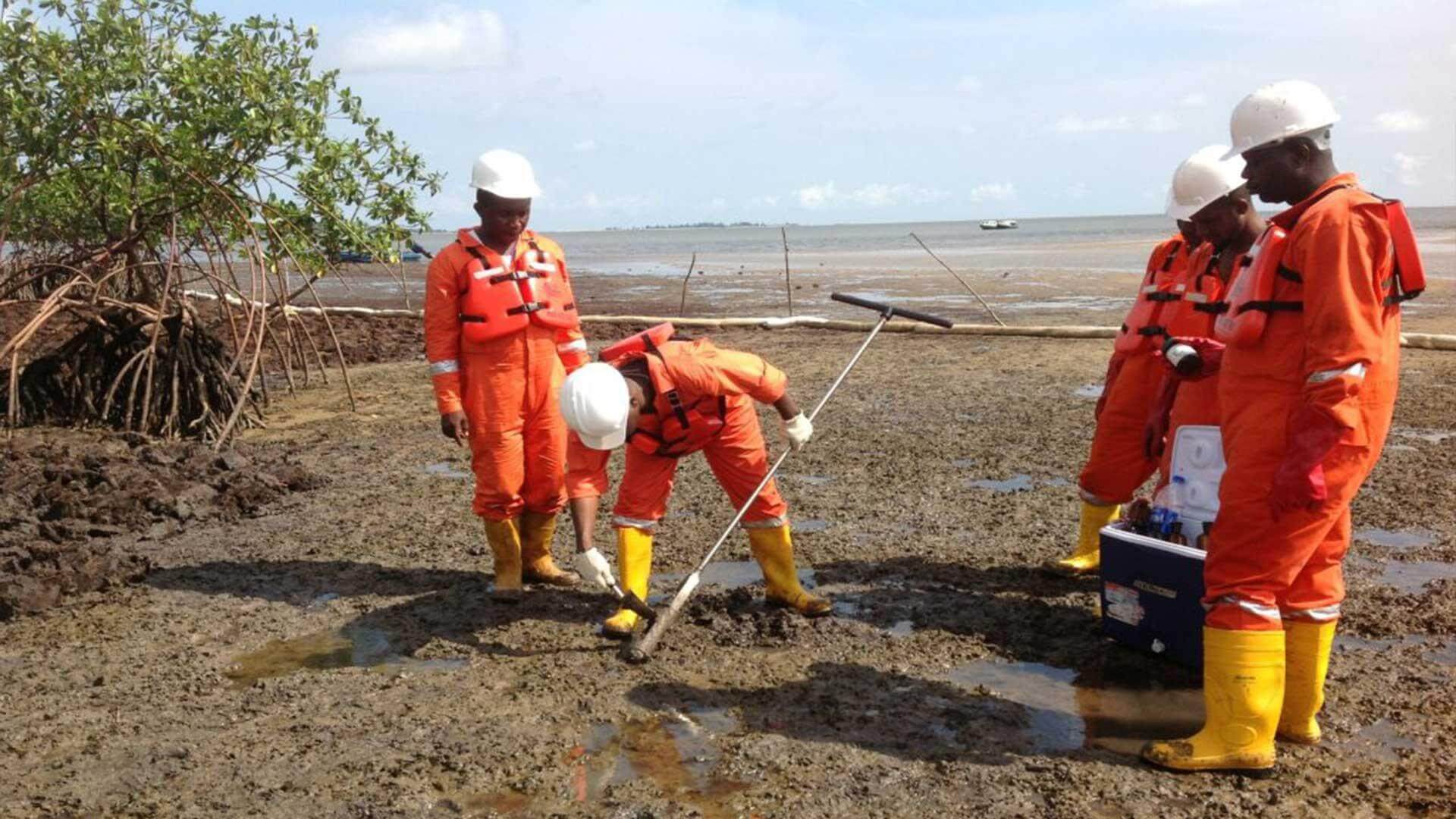
Monitoring must also be designed to detect meaningful changes. Environmental sampling should use appropriate methods, documented locations, reliable laboratory procedures and quality-control measures. Where trends matter, results should be compared over time rather than interpreted as isolated numbers.
Prevention supported by evidence.
LEADING AND LAGGING INDICATORS
HSE performance indicators can help management identify emerging weaknesses. Leading indicators may include overdue high-priority maintenance, inspection completion, unresolved safety-critical defects, spill-response readiness and closure of corrective actions. Lagging indicators include recorded spills, injuries and environmental releases.
Neither category is sufficient alone. A low number of reported incidents does not necessarily establish that risk controls are effective, particularly where reporting quality is uncertain. Similarly, completing inspections does not prove that identified defects have been corrected.
INDEPENDENT ASSURANCE
Independent assurance can help determine whether controls operate as intended. For remediation projects, this may involve reviewing site characterisation, treatment methods, laboratory records, waste tracking and verification results. Findings should lead to documented actions with clear ownership and deadlines.
An effective system also preserves institutional knowledge. Asset histories, incident investigations, environmental data and maintenance records should remain available when personnel change or a project is transferred to another operator.
For senior management, the most useful HSE report is one that reveals where exposure remains, which controls are failing or overdue, what corrective action is required and whether the residual risk is acceptable.
For boards and investors, environmental assurance should be linked to capital allocation and operating decisions. A known integrity problem cannot be resolved by reporting it repeatedly; management must demonstrate that it has been addressed.
The essential principle is prevention supported by evidence. A mature HSE system does not wait for a disaster to prove that a control was inadequate. It actively tests whether the control is working before the failure occurs.
THE PROJECT HERALD REVIEW
Projects • Capital • Products & Policy
LESSONS FOR AFRICA’S PROJECT ECONOMY
What Project Owners, Financiers and Regulators Must Learn
Africa's development agenda depends on large, complex projects: petroleum infrastructure, mines, industrial facilities, power plants, transport corridors, ports and water systems. These investments can generate economic value, but their long-term performance depends on how effectively technical, environmental and institutional risks are managed.
Ogoniland offers a case study in what happens when environmental contamination becomes a long-term challenge requiring coordinated scientific, engineering, financial and governance responses.
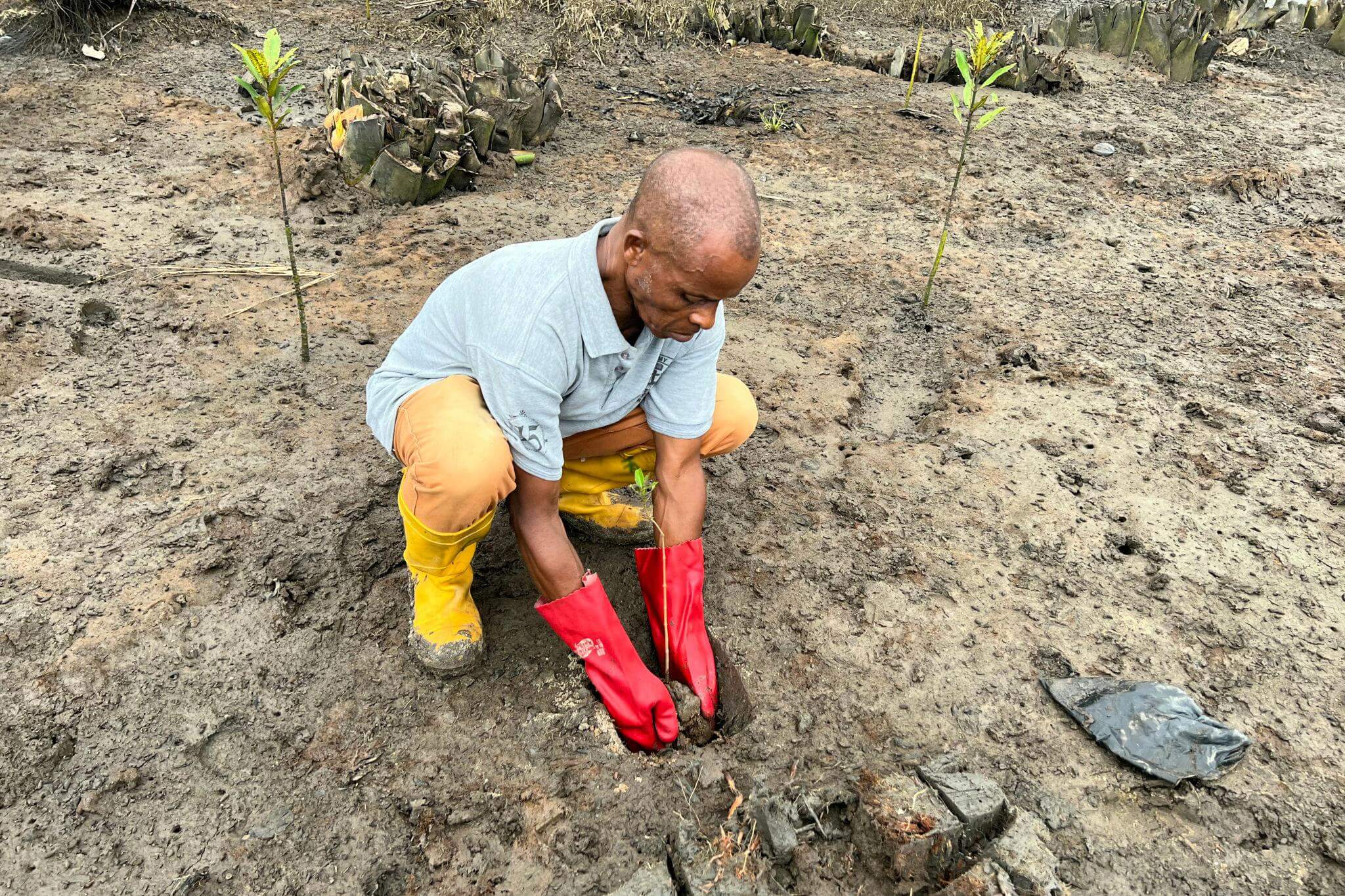
1 · DESIGN: ESTABLISH THE BASELINE
The first lesson concerns project design. Environmental risk should be assessed before construction or operations begin. Baseline studies, sensitive-area mapping, water-quality monitoring and infrastructure-integrity assessments establish the information needed to identify changes and respond when conditions deteriorate.
Without a credible baseline, it becomes harder to establish whether contamination is new or historical, understand the extent of an impact and determine what corrective action is necessary.
2 · MAINTENANCE IS A STRATEGIC INVESTMENT
The second lesson is that maintenance is a strategic investment. Asset integrity programmes need appropriate funding, competent personnel, reliable inspection and a clear process for resolving defects. Deferring critical maintenance can create exposure that extends beyond the asset itself, particularly where pipelines and industrial facilities operate near communities or sensitive ecosystems.
3 · PUT LIABILITIES IN THE MODEL
Third, environmental obligations must be reflected in project economics. Developers and financiers should assess the costs of prevention, monitoring, emergency response, remediation and eventual closure. These obligations should not disappear from the financial model simply because they occur after the main revenue-generating phase.
4 · REWARD PERFORMANCE, NOT ACTIVITY
Fourth, contracts must reward performance rather than activity alone. Procurement specifications should establish technical qualification requirements, environmental safeguards, reporting obligations and defensible acceptance criteria. Where environmental restoration is the objective, completion should depend on evidence of the required result.
Environmental performance needs independent verification.
5 · SUSTAIN INSTITUTIONAL OVERSIGHT
Fifth, institutions need the capacity to sustain oversight. Regulations require implementation, transparent reporting and enforcement. Major restoration programmes also need continuity of funding, institutional memory, technical competence and clear responsibility for monitoring after contractors finish their work.
6 · TREAT COMMUNITIES AS PARTICIPANTS
Sixth, communities must be treated as participants in project risk management. People living near industrial assets can provide important information about changing environmental conditions and the practical effects of operational decisions. Their concerns should be documented, investigated and addressed through accessible mechanisms.
7 · VERIFY INDEPENDENTLY
Finally, environmental performance needs independent verification. A project may meet its construction milestones and spend its approved budget without having resolved the environmental risk that justified the intervention. Completion certificates and financial reports are important, but they cannot replace environmental evidence.
BEYOND OIL
These lessons apply beyond the oil industry. A mining company must understand the long-term stability and closure requirements of its waste facilities. A port developer must assess the environmental implications of dredging, fuel storage and industrial operations. A power project must plan for hazardous materials, waste and decommissioning. A real-estate developer must investigate contaminated land before construction.
For Africa's project economy, the objective should not be to avoid development. It should be to build projects whose economic benefits do not depend on transferring unmanaged environmental costs to communities or future generations.
The standard for responsible development is therefore broader than whether an asset was delivered on time and within budget.
It must also consider whether the project was operated responsibly, whether risks were controlled, whether liabilities were funded and whether the asset can eventually be closed or transferred without leaving unresolved hazards behind.
THE PROJECT HERALD REVIEW
Projects • Capital • Products & Policy
THE FINAL ASSESSMENT
When Extraction Ends but the Liability Remains
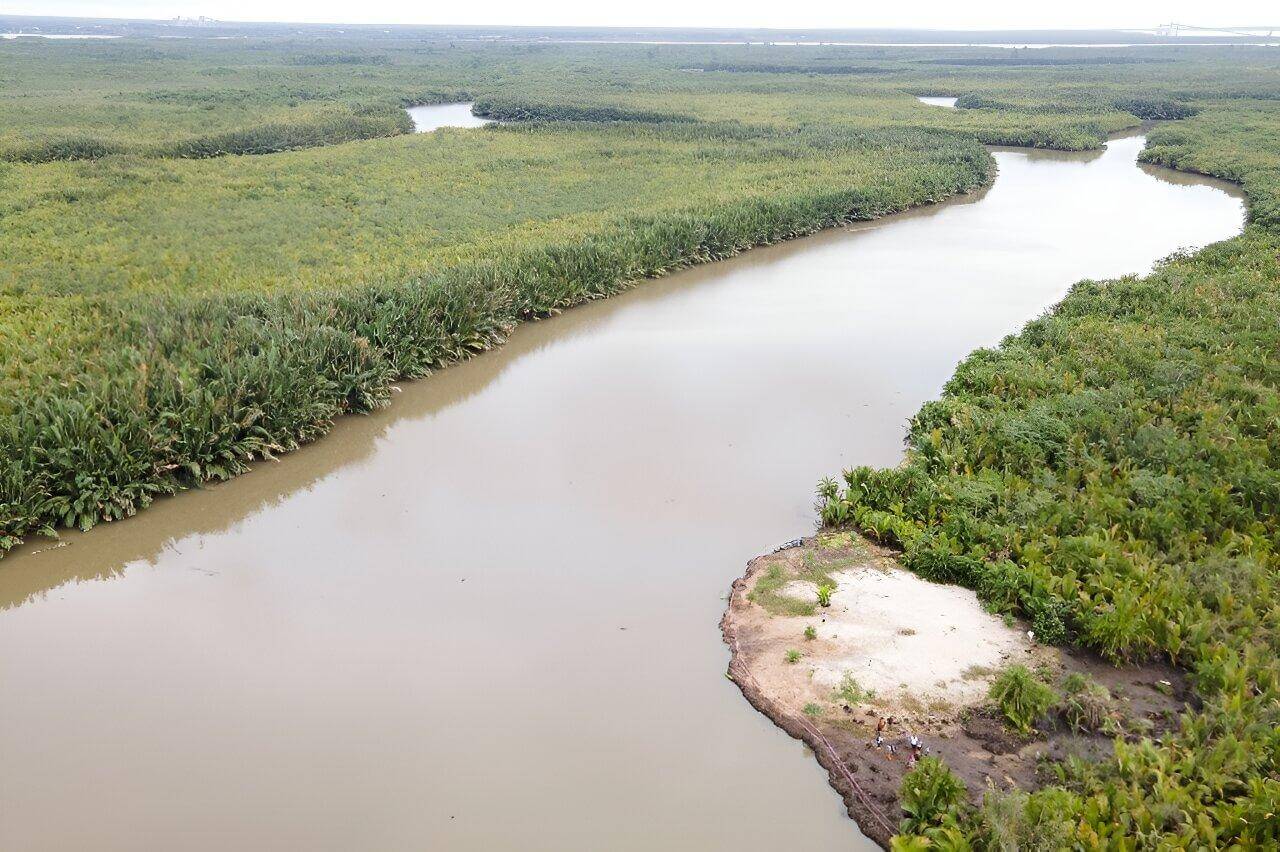
Ogoniland's environmental crisis exposes a fundamental weakness in the way industrial projects can be evaluated: the commercial life of an asset is measurable, but its environmental consequences may continue long after its original business purpose has ended.
Oil production and transportation create economic value through the extraction and movement of petroleum. Yet where contamination occurs, the consequences can extend into soil, groundwater, waterways and ecosystems. Addressing those consequences requires a different set of activities, a different funding horizon and a commitment to outcomes that may take years to demonstrate.
UNEP's 2011 assessment made the scale of the challenge difficult to ignore. It documented serious contamination at investigated sites, identified an urgent drinking-water concern and called for a comprehensive restoration programme. It also highlighted weaknesses in infrastructure management and the institutional arrangements surrounding environmental protection.
The report did not offer a quick solution. It outlined the need for emergency interventions, coordinated remediation, stronger institutions and long-term ecosystem recovery. Its estimate that restoration could take 25 to 30 years was a warning about the scale of the undertaking, not a guarantee of completion.
WHAT HYPREP HAS REPORTED
Since then, HYPREP has undertaken a range of cleanup and related interventions. In an update published on 25 October 2025, the programme reported progress in mangrove restoration, shoreline remediation, land remediation and the provision of water facilities. Those figures are programme-reported milestones at that date; they should be evaluated alongside the applicable completion criteria, continuing monitoring and evidence of environmental outcomes.
This distinction matters because a restoration programme has two separate responsibilities. It must deliver the planned work, and it must establish whether that work has achieved its intended environmental purpose.
The first can be measured through contracts, quantities, schedules and expenditure. The second requires scientific evidence: appropriate sampling, quality assurance, comparison with relevant standards and confirmation that residual risks are understood and controlled.
A restoration programme must deliver the work — and prove the work achieved its purpose.
NO SINGLE INTERVENTION IS ENOUGH
The same discipline should apply to the commercial institutions involved. Project owners must maintain reliable assets. Contractors must deliver work to defined technical requirements. Regulators must enforce standards. Financiers must examine environmental liabilities. Public authorities must protect communities and ensure that restoration obligations do not disappear when priorities change.
No single intervention can resolve all the dimensions of Ogoniland's crisis. Safe water provision can reduce immediate exposure without necessarily removing contamination from the original source. Soil remediation may improve a site without restoring every damaged ecosystem. Livelihood programmes can support economic recovery without replacing the need for environmental restoration.
Recovery therefore depends on coordinated action, transparent evidence and sustained institutional responsibility.
THE LEGACY OF A PROJECT
The wider significance of Ogoniland lies in what it reveals about the relationship between industrial development and accountability. A project cannot be considered fully responsible simply because it generated revenue, met its production targets or reached the end of its operating life.
Its environmental obligations remain part of its legacy.
For The Failure File, that is the defining lesson: the true cost of a project is not always visible in its capital expenditure, operating accounts or final production figures. Some costs emerge in the land left behind, the water that must be tested, the ecosystems that require restoration and the institutions responsible for ensuring that recovery continues.
Extraction may have an end date. Environmental responsibility does not automatically end with it.
Sources & References
Primary documents and supporting records. Historical findings are dated; current cleanup progress is attributed to the reporting organisation and publication date.
- United Nations Environment Programme (UNEP) — Environmental Assessment of Ogoniland (2011). The principal source for contamination findings, environmental sampling, infrastructure concerns and the proposed restoration framework. Read the full report
- UNEP — Executive Summary. A concise reference for the principal findings, urgent drinking-water concerns and recommended restoration actions.
- Hydrocarbon Pollution Remediation Project (HYPREP). Official programme information on land and shoreline remediation, mangrove restoration, water provision and related interventions.
- HYPREP — Ogoni Cleanup Programme: Enabling Pathways to Development of Ogoni. Published 25 October 2025. A programme update reporting progress across selected cleanup and community-support activities.
THE PROJECT HERALD REVIEW
Projects • Capital • Products & Policy