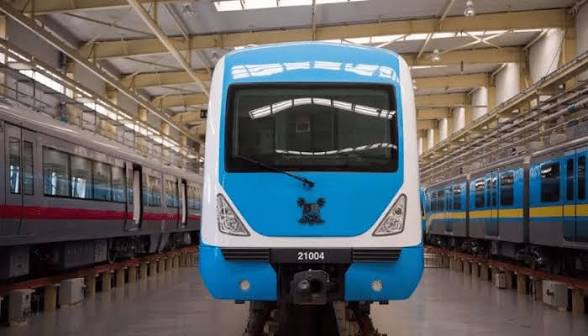
For thousands of professionals in Lagos, the daily commute between Mile 2 on the mainland and Marina on Lagos Island is one of the most demanding parts of the workday. Heavy traffic congestion, unpredictable delays, and rising fuel costs have made this route a major urban challenge.
In recent years, the introduction of the Lagos Rail Mass Transit (LRMT) Blue Line has begun to reshape how commuters move across this corridor. But for many residents, a key question remains:
Is it better to drive or take the commuter rail from Mile 2 to Marina?
This guide compares both options using real-world factors such as time, cost, and daily productivity.
Commute Overview: Driving vs. Lagos Blue Line Rail
| Factor | Driving (Mile 2 → Marina) | Lagos Blue Line Rail |
|---|---|---|
| Travel Time | 1.5 – 2.5 hours (peak traffic) | ~28 minutes (fixed) |
| Predictability | Low (traffic dependent) | High (fixed schedule) |
| Cost per Trip | ₦5,000 – ₦8,000+ (fuel, tolls) | ₦750 – ₦1,000 |
| Stress Level | High | Moderate to Low |
| Productivity | Very low | High (reading, work, rest) |
1. Travel Time: The Biggest Difference
Time is the most critical factor for daily commuters on this route.
Driving from Mile 2 to Marina during peak hours often involves long delays along the Apapa–Oshodi Expressway and connecting bridges. Even a normally short trip can extend well beyond two hours due to congestion, accidents, or weather conditions.
In contrast, the Lagos Blue Line Rail operates on a dedicated track, allowing it to bypass road traffic entirely. The journey between stations such as Mile 2, National Theatre, Iganmu, and Marina is completed in approximately 28 minutes, offering a consistent and predictable travel time.
For workers with strict schedules, this reliability is a major advantage.
2. Cost Comparison: Fuel Expenses vs Rail Fare
The financial difference between both options is significant.
Driving Costs
Driving in Lagos has become increasingly expensive due to:
- Rising fuel prices
- Frequent stop-and-go traffic
- Vehicle maintenance and wear
- Toll and parking expenses
On average, daily commuting by car on this route can cost ₦5,000 to ₦8,000 or more per trip, depending on traffic conditions.
Rail Costs
The Lagos Blue Line offers a more affordable alternative:
- Estimated fare: ₦750 – ₦1,000 per trip
- Payment method: Cowry Card system
- Additional cost: Minimal feeder transport to and from stations
Over a month, commuters who switch from driving to rail can save a significant amount in transport expenses.
3. Comfort, Stress, and Productivity
Beyond time and money, the daily commute also affects mental energy and productivity.
Driving
Driving in Lagos traffic requires constant attention, patience, and stress management. The mental fatigue from long traffic hours often reduces productivity even before the workday begins.
Commuter Rail
While the Blue Line can be crowded during peak hours, it offers a more relaxed environment compared to road traffic. The train is air-conditioned and allows passengers to:
- Read or study
- Respond to emails
- Rest during the commute
- Mentally prepare for the workday
This shift from active driving to passive commuting significantly improves how people use their travel time.
4. Which Option Is More Reliable?
Reliability is where the difference becomes most obvious.
Driving depends heavily on unpredictable traffic conditions, while the rail system runs on a fixed schedule and dedicated infrastructure.
For professionals who value punctuality, the train offers a more stable commuting experience.
However, driving still has advantages in certain cases:
- Night travel beyond train operating hours
- Door-to-door convenience
- Transporting heavy goods or equipment
Conclusion: Which Is Better for Mile 2 to Marina Commuters?
For most daily commuters, the Lagos Blue Line Rail is the more efficient option when considering time savings, cost reduction, and reduced stress.
Driving remains useful for flexibility and special travel needs, but it is heavily affected by Lagos traffic conditions, especially during peak hours.
Ultimately, the best choice depends on your priorities:
- Choose rail if you want speed, cost savings, and predictability
- Choose driving if you need flexibility and private transport access
Read more News: https://www.theprojectherald.com/nigeria-vs-ghana-infrastructure-investment-comparison-2026/