Structural Engineers Push for AI and Tighter Regulation to Curb Building Collapses
Nigeria — October 27, 2026
Nigeria’s structural engineers have called for wider use of digital technology, including artificial intelligence, and firmer enforcement of building regulations as part of efforts to stop recurring collapses. The appeal came at a conference organised by the Nigerian Institution of Structural Engineers (NIStructE) under the theme “Re-engineering Structural Practice for a Resilient, Digital and Sustainable Infrastructure in Nigeria.” Engineers, regulators, academics and other stakeholders attended to discuss innovation, climate resilience and professional standards.
Delivering the keynote, former NIStructE president Engr. Oreoluwa Fadayomi said the country must adopt digital tools and rethink conventional practice to make infrastructure safer, more efficient and more sustainable. He noted that digital transformation is changing how structures are designed, built, monitored and maintained, so structural engineers now need skills in both engineering mechanics and digital technologies. NIStructE President Engr. Taiwo Elegba said the conference let practitioners review current practice and work toward global standards. He also urged closer collaboration among the institution, the Council for the Regulation of Engineering in Nigeria (COREN) and state governments to ensure compliance with building regulations and protect lives and property.
Commercial Implications
The push signals where professional bodies want the sector to move: digital design, monitoring and maintenance tools, and stricter compliance. Contractors and consultants should expect closer scrutiny of design practice and site compliance.
Firms that invest early in digital engineering skills may be better placed as regulators and professional bodies align on standards.
Project Herald Intelligence
Nigeria side: no new regulation announced; watch for any follow-up between NIStructE, COREN and state governments. Industry side: the question is whether digital adoption becomes a compliance expectation or stays voluntary. Confidence: Reported; source is ThisDay, October 27, 2026.
Experts Demand Stronger Collaboration and Enforcement to Prevent Building Collapse
Abuja, Nigeria — October 26, 2026

Built environment professionals have urged tighter collaboration, accountability and regulatory enforcement across the construction process to prevent building collapses. The call came at a webinar organised by the Abuja Chapter of the Building Collapse Prevention Guild (BCPG), themed “Strengthening Nigeria’s Construction Governance: Professional Collaboration for Building Collapse Prevention.”
Agatha Irabor, founder and chief executive of Beseh Planning and Developers Limited, cited a 2026 study in the University of Abuja Journal of Engineering and Technology. It reviewed 111 validated collapse incidents between 2015 and 2025, which caused 321 deaths and 344 injuries. Structural defects, poor construction techniques and substandard materials were among the leading identifiable causes. Irabor said collapse should be treated as a predictable socio-technical problem needing combined engineering, regulatory and institutional responses, and urged practitioners to keep their competence current. For Abuja, she recommended mapping high-risk construction zones and recurring failure patterns, strengthening BCPG cells, setting up referral and escalation protocols with regulators, and developing a professional construction safety stop-work protocol.
Commercial Implications
A formal stop-work protocol and escalation channels, if adopted, would add compliance steps for contractors and developers, particularly on high-risk sites.
The collapse data reinforces the case for material testing, supervision and qualified professionals on site, which affects project cost and liability planning.
Project Herald Intelligence
Nigeria side: recommendations are proposals from a professional guild, not adopted rules; watch for regulator uptake. Industry side: the question is whether enforcement catches up with the guidance. Confidence: Reported; source is The Guardian (Nigeria), October 26, 2026.
Tinubu Vows to Revive Dormant NNPC Refineries as Dangote Hits Full Capacity
Abuja, Nigeria — October 27, 2026
President Bola Tinubu has restated his government’s commitment to rehabilitating Nigeria’s dormant state-owned refineries, saying they will not be left as stranded investments while private refining capacity grows. He described large-scale private refining as a turning point for the petroleum industry and cited the Dangote Petroleum Refinery as a major step toward Nigeria becoming a net exporter of refined products.
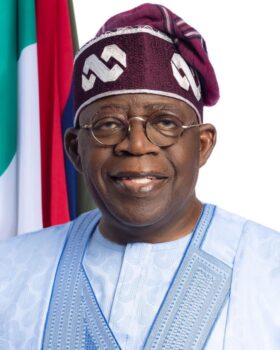
The president said the Dangote refinery has reached its 650,000-barrels-per-day main-plate capacity, improving prospects for exports and regional supply. Ekiti State Governor Biodun Oyebanji made similar remarks on how private refining has changed the outlook for domestic supply and regional trade. On the state refineries, the report says the current NNPC leadership has signed a memorandum of understanding with two Chinese firms for the revamp. It did not name the firms or state the scope or value of the work, and no EPC contract award has been announced.
Commercial Implications
A refinery revamp would be significant EPC and engineering work. The MoU is only a preliminary step, so the next signals to watch are the identity of the firms, the commercial terms and any formal award.
Local fabrication, engineering and services firms may look for subcontracting roles if the Chinese partners proceed.
Project Herald Intelligence
Nigeria side: the commitment is stated, but no contract value, timeline or named contractors have been published. Global-investor side: the question is whether state refineries can be restored to credible output alongside a fully ramped private refinery. Confidence: Reported; MoU details unconfirmed. Source is CED Magazine, October 27, 2026.
Dangote Refinery IPO Reaches Final Day Amid Strong Investor Demand
Lagos, Nigeria — October 27, 2026
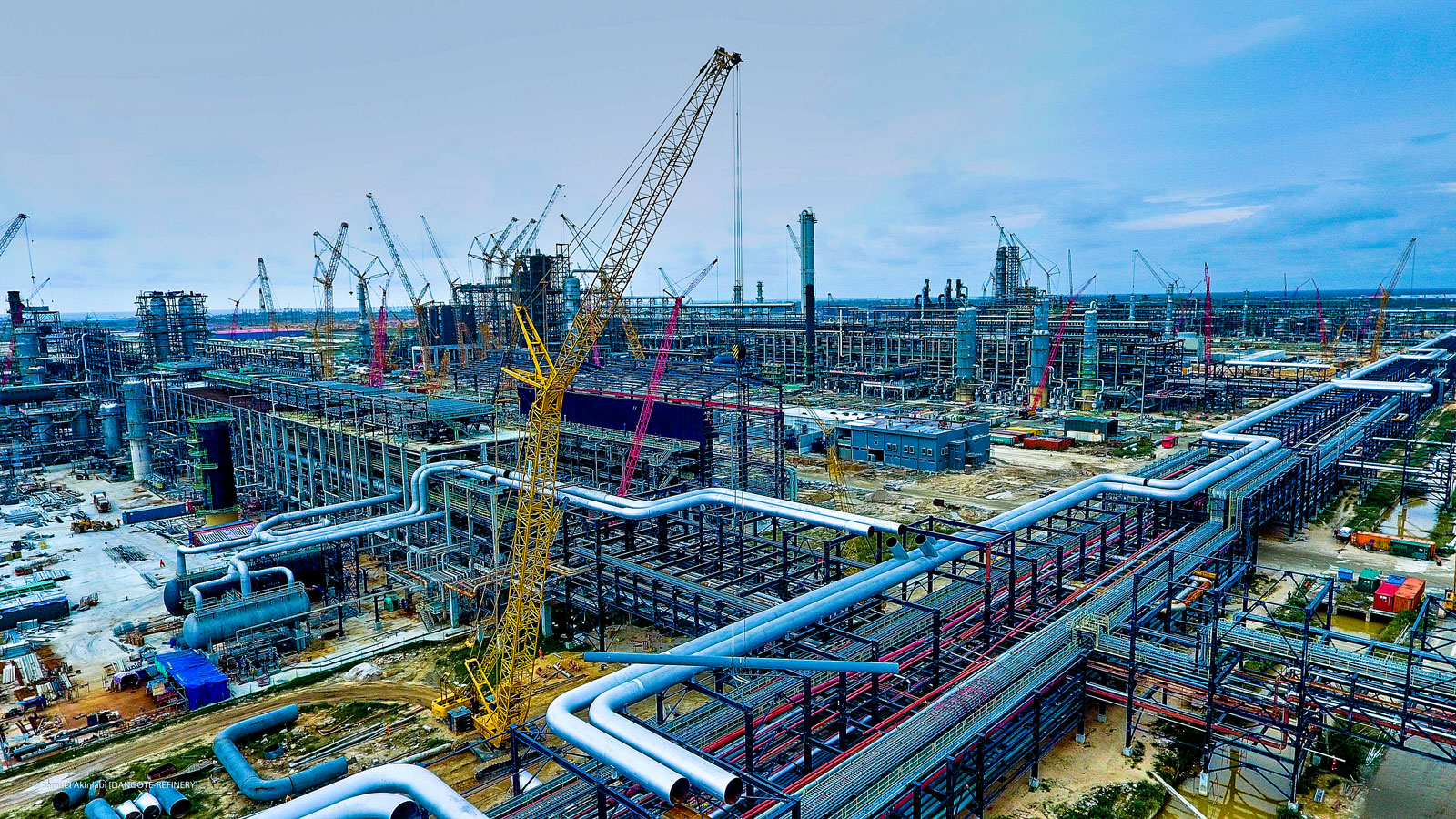
Dangote Petroleum Refinery and Petrochemicals said investor participation in its $1.6 billion initial public offering rose sharply as the subscription window closed on Tuesday, October 27. The company said retail and institutional investors stepped up applications in the final days and that the closing date would not be extended again. The deadline had earlier moved from October 13 to October 27 with Securities and Exchange Commission approval, giving investors in more African countries time to take part.
Ahead of the close, the company pointed to revenue growth of 144 per cent year on year, EBITDA of $5.5 billion and net income of N6.29 trillion for the nine months to September 30, 2026. Management credited higher refining throughput, better operational reliability and stronger margins, and said the offer was structured so ordinary investors could participate alongside institutions. The listing has also drawn attention to NNPC Ltd, which is working on governance and financial reporting gaps ahead of its own possible listing; it has not announced a date, size or structure.
Commercial Implications
The offer is a marker of capital-market appetite for large industrial assets, which may influence how future energy and industrial projects are funded.
A successful listing could set a reference point for NNPC and other infrastructure-heavy issuers considering the Nigerian market.
Project Herald Intelligence
Nigeria side: final subscription results and allotment details are not yet published in the sources reviewed. Global-investor side: the question is whether strong demand holds once shares begin trading. Confidence: Reported; figures are company-stated. Sources are PM Parrot NG and The News Nigeria (October 26), plus earlier Nairametrics and RateCaptain reports.